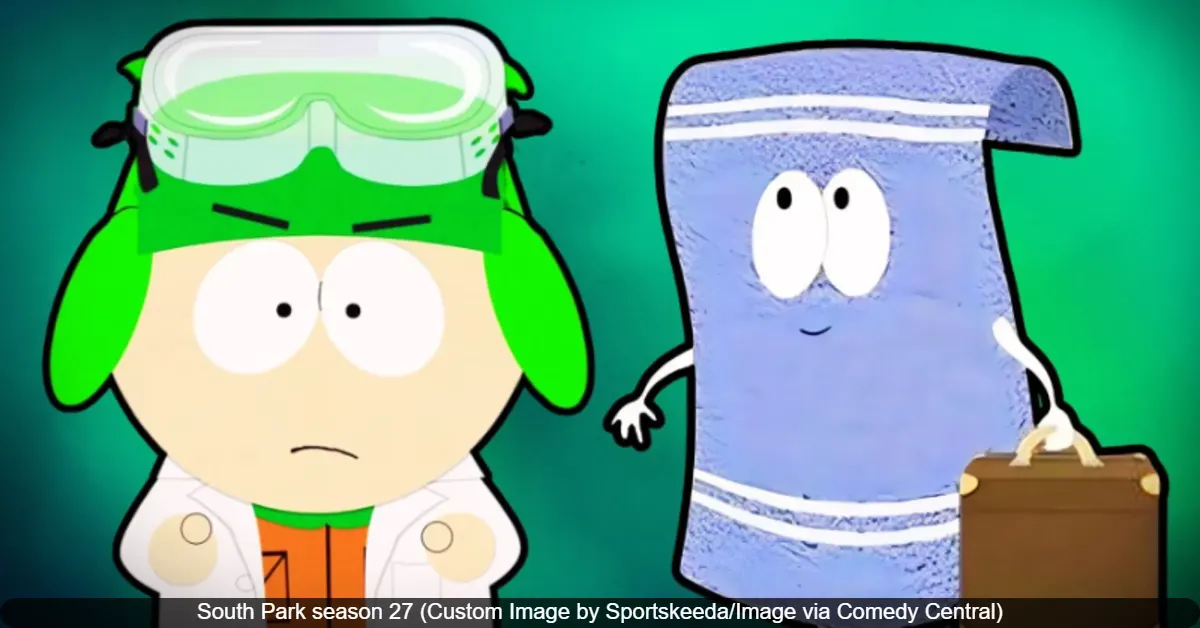
From the rise of the internet to new video game obsessions, the 2000s were a decade of massive change, and South Park was there to comment on all of it. The show, created by Trey Parker and Matt Stone, began in 1997 but truly found its sharp, satirical voice in the following decade. It moved beyond simple shock humor to become a unique mirror for the world’s absurdities. These eleven episodes didn’t just make people laugh; they captured the spirit of the times and became cultural landmarks.
The Prank That Crossed a Line
In the 2001 episode “Scott Tenorman Must Die,” Eric Cartman is tricked by an older student. What starts as a simple bullying story spirals into one of the show’s most infamous plots. Cartman’s revenge is so dark and calculated that it shocked audiences. He doesn’t just get even; he orchestrates a plan that ends with Scott Tenorman unknowingly eating his own parents. This episode set a new standard for how far an animated comedy could go, firmly establishing Cartman as a truly sinister character rather than just a loudmouth.
A Fantasy Parody for the Ages
Arriving in 2002 during the height of The Lord of the Rings mania, “The Return of the Fellowship of the Ring to the Two Towers” is a perfect spoof of epic fantasy. The boys get a rented video that turns out to be an adult film, and their quest to return it becomes a hilarious journey. Butters, in particular, steals the show as he descends into a Gollum-like obsession with the tape. The episode brilliantly tapped into the era’s love for grand fantasy while also touching on the common, awkward experience of stumbling upon inappropriate content.
Cartman’s Selfish Masterpiece
The 2003 episode “Casa Bonita” showcases Cartman’s manipulative genius at its peak. After he is not invited to Kyle’s birthday party at the beloved Mexican restaurant Casa Bonita, he hatches an outrageous scheme. He convinces his gullible friend Butters that a meteor has destroyed the world and hides him in a bomb shelter. The episode is a masterclass in absurdity, driven by Cartman’s sheer, selfish desire for Casa Bonita’s sopapillas. It cemented his role as the show’s definitive antihero.
When Gaming Took Over
By 2006, online gaming was a massive part of youth culture, and “Make Love, Not Warcraft” captured this phenomenon perfectly. The boys spend all their time in World of Warcraft to defeat a powerful rogue player, becoming pale, overweight, and completely detached from reality. The episode was praised for its spot-on parody of MMORPG culture and its surprisingly accurate use of the game’s visuals. It highlighted the new, all-consuming nature of digital escapism that defined the decade for many.
The Rise of a New Fan Favorite
After Kenny was temporarily written out of the show, Butters stepped into the spotlight. His pure naivete made him the perfect target for Cartman’s schemes. In episodes like “AWESOM-O” from 2004, Cartman disguises himself as a robot to trick Butters, only for the plan to be hijacked by Hollywood executives. The dynamic between the manipulative Cartman and the trusting Butters became a cornerstone of the series, producing some of its most memorable and hilarious moments.
Pushing the Limits of Holiday Stories
“Woodland Critter Christmas” from 2004 starts as a sweet, traditional holiday tale. Stan helps a group of adorable forest animals, but the story takes a sudden, dark turn when it’s revealed the critters are part of a satanic cult trying to bring the Antichrist into the world. The episode masterfully played with audience expectations, mixing childhood storytelling tropes with the show’s signature dark humor and cynicism.
A Landmark Three-Part Epic
The “Imaginationland Trilogy” in 2007 was one of the show’s most ambitious projects. After a terrorist attack, the boys are transported to a magical realm where every fictional character ever imagined exists. The trilogy was a direct commentary on the post-9/11 paranoia that defined the 2000s. It also satirized Hollywood’s handling of fantasy and the very nature of creativity itself, satisfying a growing audience appetite for complex, blended narratives.
The Dark Side of Instant Gratification
In the 2001 episode “Cartmanland,” Eric Cartman inherits a million dollars and uses it to buy his own amusement park. His dream of having a park all to himself is ruined by the high costs of running it. The episode was a sharp critique of the era’s growing consumerism and the empty pursuit of instant gratification. It explored timeless themes of greed and karma through Cartman’s hilarious downfall.
A Glimpse into Anime Fandom
The season eight premiere in 2004, “Good Times with Weapons,” saw the boys buying martial arts weapons at a fair and imagining themselves as anime ninjas. The episode famously shifted into a classic anime art style, complete with a catchy Japanese-themed song, “Let’s Fighting Love.” It was an affectionate and timely parody of the rising international popularity of manga and anime.
A Final Word on Celebrity Egos
As the 2000s came to a close, 2009’s “Fishsticks” took aim at celebrity culture and the randomness of internet virality. Jimmy creates a joke about fishsticks that becomes a massive sensation. The episode’s most memorable target is Kanye West, who is portrayed as unable to understand the joke and furious that he didn’t create it. The episode perfectly captured the often-nonsensical nature of viral trends and the public’s fascination with celebrities who take themselves too seriously.
The Episode That Made a Real Impact
While not on every “best of” list, the 2005 episode “Trapped in the Closet” had a significant real-world impact. In it, Stan is hailed as the reincarnation of Scientology founder L. Ron Hubbard. The episode led to major backlash from the Church of Scientology, including reports that actor Tom Cruise threatened to withdraw from promoting a Mission: Impossible film. Comedy Central later censored a rerun of the episode, a move that creators Parker and Stone publicly mocked. The event highlighted the show’s power and courage to tackle even the most litigious and powerful targets.
Also Read: South Park Season 27 Episode 5: Kyle’s Mom Confronts Netanyahu in Surprise Ending