
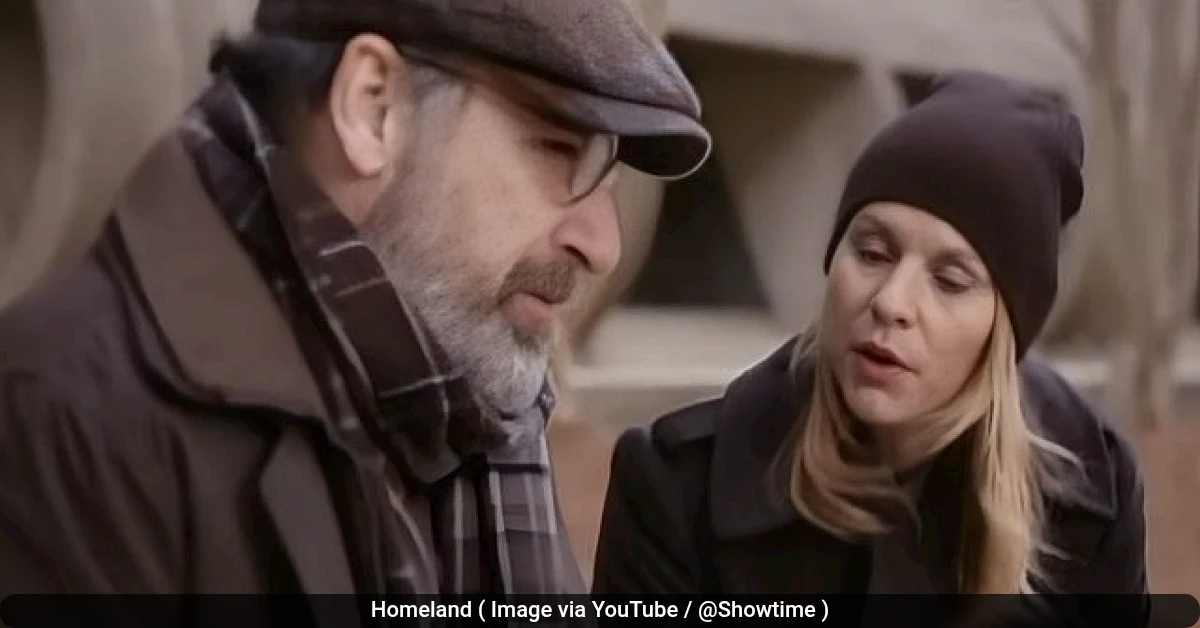
Peter Quinn, the skilled and troubled CIA operative played by Rupert Friend, met his end in Homeland‘s sixth season. His death in the finale named America First was sudden, heroic, and final, closing the story of a character deeply scarred by his service. After cheating death in Season 5, Quinn was killed while driving Carrie Mathison and President-elect Elizabeth Keane to safety through a police barricade. Showrunner Alex Gansa later stated the character was created to honor those who work to keep the country safe and that he “died a hero”.
The Final Mission: Quinn’s Last Stand
The chain of events leading to Quinn’s death began with a complex conspiracy against the incoming president. Framed to take the blame for an assassination plot, Quinn was being hunted. When the assassination attempt on Elizabeth Keane was set in motion, Quinn, Carrie, and Keane were forced to flee a Manhattan hotel.
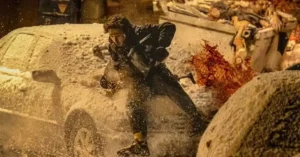
Their escape in a black SUV was cut short by a police barricade and a team of rogue operatives. Realizing they were driving into an ambush, Quinn made a split-second decision. He accelerated the vehicle directly into the hail of gunfire to get Carrie and the President-elect to safety. The act was a quintessential Quinn move: charging headfirst into danger created by Carrie to protect her.
He was shot multiple times. According to reports, he managed to steer the crashing car to a gentle stop against a parked vehicle before succumbing to his wounds in the driver’s seat. His last words to Carrie were a firm instruction: “Do what I say”. After the crash, when Keane asked if he was dead, Carrie simply confirmed, “Yup”. With that, one of the show’s most resilient characters was gone.
The Long Road to the End: Sarin Gas and Suffering
Quinn’s death in Season 6 was the culmination of a long, painful decline that fundamentally changed the character. His fate was arguably sealed a season earlier during a mission in Berlin.
In Season 5, Quinn was exposed to sarin gas, a lethal nerve agent. The exposure left him in a critical condition, suffering a severe brain hemorrhage. By the season finale, his prognosis was so dire that a doctor told Carrie he would be left with severe brain damage even if he survived. The season ended with Carrie at his hospital bedside, appearing to make the agonizing decision to remove his life support. This was widely reported as his death at the time.
However, the show brought him back for Season 6, but not as the man he once was. The sarin gas poisoning had lasting effects. The once-sharp, physically capable operative was shown struggling with speech, motor control, memory lapses, and poor judgment. He was a shadow of his former self, grappling with the brutal reality of a veteran living with severe mental and physical disabilities. This extended storyline was, according to Rupert Friend, an intentional choice to explore the difficult return of modern veterans to society.
Why the Writers Chose This Ending
The decision to kill Peter Quinn was divisive among fans, but the show’s creators and the actor himself saw it as a necessary and fitting conclusion.
“The storyteller in me thought it was the right time for him to go bearing in mind he had been through so much, and for him to just continue to defy death and suffer felt cruel and unrealistic and sadistic, actually,” Rupert Friend told Entertainment Weekly.
From a narrative perspective, there was no coming back after the damage Quinn sustained. Showrunner Alex Gansa maintained that the character’s journey was meant to highlight the sacrifices and hidden costs of intelligence work. Quinn was a man whose entire life was built by the CIA—recruited from a foster home at age 16 and molded into its youngest-ever SAD officer. His identity was inextricably linked to his duty, and his tragic end reflected the ultimate price of that life.
Fan Outcry and Legacy
The reaction to Quinn’s death was intense. A segment of the audience was so upset they organized under the banner #NotOurHomeland. This group raised money to place a full-page open letter in The Hollywood Reporter, criticizing the show for what they felt was an “unceremonious end” to a beloved character and taking issue with its portrayals of PTSD and disability.
Despite the outcry, Quinn’s impact on the series and its central character, Carrie Mathison, was undeniable. His death haunted Carrie in subsequent seasons. His legacy was that of a complex, imperfect hero—not a flawless patriot, but a deeply human figure marked by the moral ambiguities and traumas of his work. For many viewers, the show lost a crucial emotional anchor with his passing.
Rupert Friend’s performance, especially in portraying Quinn’s painful degradation, was widely praised. The character evolved from a minor, mysterious operative in Season 2 into a cornerstone of the series, with his relationship with Carrie becoming a central, if tragic, love story.
Also Read: Ella Purnell Calls ‘Sweetpea’ Season 2 “Really Crazy,” Says It Will Be Much Bigger