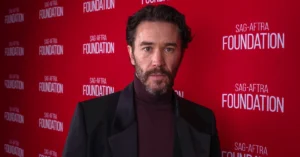


The latest episode of the legal drama Pro Bono goes far beyond a simple marriage dispute. In Episode 5, which aired on December 20, lawyers Kang Da-wit and Park Gi-ppeum take on what seems like a straightforward divorce case for an immigrant woman, only to uncover systemic abuse and a shocking crime that implicates the most powerful man in her village. The intense investigation further strains the already fragile trust between the two lead attorneys.
The Korean drama, starring Jung Kyung-ho and So Joo-yeon, airs new episodes every Saturday and Sunday on tvN at 9:10 PM KST and streams globally on Netflix. For international viewers, this means new episodes are available on Saturday mornings in the Americas and afternoon/evening in Europe and Asia.
The episode opens with attorney Park Gi-ppeum receiving a troubling text: a video showing her colleague, the formerly disgraced judge Kang Da-wit, apparently accepting a bribe. This discovery confirms her worst suspicions about his character. From that moment, her attitude toward him turns icy. She stops greeting him and openly ignores him, creating a palpable tension within the legal team.
This personal conflict unfolds as the Pro Bono team attends a community football match in a multicultural village called Yangchon. It is there they meet Kaya, a young, modern woman who is the head cheerleader and also the governor’s daughter-in-law. She approaches the lawyers with a clear request: she wants a divorce from her husband. However, Kang Da-wit immediately refuses to take her case.
He suspects she is a “gold digger” who married a Korean citizen solely for a visa and is now using the legal system. Under South Korean law, a mutual divorce could result in her deportation, which Da-wit believes is her true hidden motive. His judgmental and dismissive stance angers Gi-ppeum, who accuses him of being shallow and heartless, especially in light of the bribery video.
Determined to find the truth, the team decides to investigate Kaya’s life in Yangchon village. Their visit reveals a complex picture. The villagers’ opinions are sharply divided; some defend Kaya, while others vilify her, calling her promiscuous. The team observes that despite her status as the governor’s daughter-in-law, Kaya wears cheap knock-off clothing, hinting that her life is not as privileged as it seems.
The situation becomes clearer when Governor Cho invites the lawyers to dinner. They meet Kaya’s husband, Dong-min, who has an intellectual disability due to a childhood brain injury. His behavior is possessive and childlike; he treats Kaya like a doll, physically moving her around. While this reveals a difficult marital situation, it isn’t until Gi-ppeum challenges Da-wit on his cynical worldview that he agrees to pursue the case. She reminds him that, now that he is powerful, he should use his skills to champion the common person.
Park Gi-ppeum tells Kang Da-wit: “Now that he is rich and powerful, he should be the common man’s champion.”
With the case officially open, Kaya finally shares the physical evidence of her abuse: bruises and vivid strangulation marks on her neck. Dong-min is accused of attempted murder. A waitress testifies that local villagers had goaded a drunk Dong-min with false rumors about Kaya’s infidelity, which triggered the attack.
In court, the case takes a confusing turn. Kaya gives a contradictory statement, admitting Dong-min strangled her but insisting he is “not a bad person” and that it was a mistake. The defense, led by Kaya’s powerful in-laws, counters by portraying her as a scheming immigrant. The village pharmacist testifies that Kaya bought birth-control pills after the incident, which the defense uses to suggest she faked the strangulation marks to secure a divorce and her visa.
Just when it seems the case will be lost, a key witness comes forward. The village head, convinced by the team’s Jang Yeong-sil, provides critical photos of Kaya’s injuries from the night of the attack. Studying the evidence, Da-wit notices a crucial detail everyone else missed: the strangulation marks were made by a right-handed person, but Dong-min is left-handed.
Da-wit confronts Kaya with a new theory. He notes she bought morning-after pills, not birth-control, and that rumors suggested she preferred drinking outside to eating dinner alone with her father-in-law. He deduces the terrifying truth: the man who assaulted her was not her husband, but her father-in-law, Governor Cho.
Overwhelmed, Kaya breaks down. Governor Cho had been raping her, and it was he who strangled her the night everyone blamed Dong-min. DNA evidence confirms the assault, and Governor Cho is arrested. Kaya explains her painful dilemma: she was afraid and did not want to hurt Dong-min, who she says is not a bad person.
After this victory for justice, the episode delivers a final, crushing blow. As the team prepares to wrap up the case, a new lawyer for the Cho family, Woo Myeong-hun, makes a stunning announcement. He reveals that Kaya had given birth to a child before arriving in South Korea and marrying Dong-min, a fact she hid.
Related:










Using this information, he argues the marriage was based on fraud and demands an annulment, along with 100 million won in compensation from Kaya. This legal maneuver threatens to void her marital status entirely, which would almost certainly lead to the cancellation of her visa and her deportation. The episode ends with Da-wit and Gi-ppeum in a panic, realizing their client’s safety is now in greater jeopardy than ever before.
The personal rift between the two lawyers remains unresolved. Da-wit confronts Gi-ppeum about the bribery video, angry that she judged him without hearing his side of the story. She goes home and confesses to her father that once trust is broken, it is very hard to rebuild. This case has not only exposed the hidden trauma within a village but also the deep fractures in their own professional partnership.
Also Read: ClaireBell Season 1 Finale: Ending Explained and Key Story Points Recap