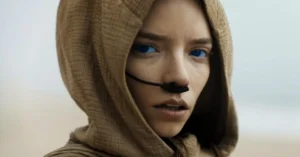


YouTube has permanently removed two major channels, Screen Culture and KH Studio, for creating fake movie trailers with artificial intelligence. The channels had over 2 million subscribers and more than a billion views between them. Their removal in December 2025 followed repeated violations of YouTube’s rules against spam and misleading information after the creators stopped clearly labeling their videos as fan-made content.
How Fake AI Trailers Took Over YouTube
For years, channels like Screen Culture and KH Studio built massive audiences by producing trailers for movies that did not exist or used footage that was not official. They used AI tools to splice together real clips from films with computer-generated scenes, making their videos look authentic.
A common tactic was to target highly anticipated movies. For example, Screen Culture created 23 different versions of a trailer for Marvel’s The Fantastic Four: First Steps months before the studio released its official trailer. Some of these fake videos even appeared higher in YouTube’s search results than the real trailer from Marvel. Other popular fakes included trailers for a new Harry Potter series, the Netflix show Wednesday, and completely imaginary projects like a James Bond film starring Henry Cavill.
The channels operated as businesses. Screen Culture was based in India and employed a team of editors, while KH Studio was run from Georgia. They exploited YouTube’s system by publishing fake trailers very quickly after a movie was announced to get more views.
YouTube’s Warning and the Final Ban
YouTube first took action against the channels earlier in 2025. Following reports about the problem, YouTube suspended the channels’ ability to earn money from ads. To get their revenue restored, the channels began adding words like “fan trailer,” “concept trailer,” or “parody” to their video titles.
However, this change did not last. In recent months, both channels stopped using these clear labels and returned to their old way of posting videos. This decision to go back to misleading viewers broke YouTube’s spam and deceptive metadata policies. A YouTube spokesperson explained the decision: “After their initial suspension, these channels made the necessary corrections… However, once monetizing again, they reverted to clear violations of our policies… and as a result, they have been terminated”.
Hollywood’s Complex Role in the Fake Trailer Problem
A surprising detail is that major movie studios did not rush to have these channels removed. Instead of asking YouTube to take down the videos, some studios quietly claimed the advertising money the fake trailers were earning.
An investigation found that Warner Bros. Discovery and Sony took this approach for fake trailers using their characters, like Superman. This created a strange situation where a studio could be suing an AI company for creating fake content while simultaneously collecting revenue from similar fake videos on YouTube.
The situation shifted when Disney sent a formal legal letter to Google in December 2025. Disney claimed Google’s AI tools were using its copyrighted characters without permission “on a massive scale”. Soon after, Google removed many AI videos featuring Disney characters from YouTube. The termination of Screen Culture and KH Studio followed this increased pressure.
Fans and Creators Celebrate the Removal
The removal of the channels has been met with widespread approval online. On social media sites like Reddit and X (formerly Twitter), many users expressed relief.
One Reddit user celebrated, “They took down Screen Culture? …that’s the best Christmas present you could have given us”. Another user shared a common frustration, stating, “Finally. I’ve been trying so hard to block these two from appearing on any of my timelines”.
Other YouTube creators who make legitimate fan content also welcomed the news. One creator told Deadline, “The monster was defeated”. Fans agreed that the fake trailers made it difficult to find real official content and cluttered search results.
The Bigger Problem of AI Misinformation
While these two specific channels are gone, the issue of AI-generated fake content is much larger. Other channels with hundreds of thousands of subscribers continue to make similar trailers. The problem also extends beyond movies.
Related Stories


View all articles about
Recently, a completely AI-generated “gameplay leak” for the popular video game Grand Theft Auto VI fooled many people online before its creator admitted it was fake. Public figures like actor Keanu Reeves and physicist Brian Cox have also been targets of AI “deepfake” videos that put false words in their mouths.
YouTube’s action shows the platform is setting clearer rules about how AI content must be labeled. The channels were not banned simply for using AI, but for using it to deliberately mislead people. As AI video tools become more common and convincing, this challenge of separating real from fake will only grow for platforms and viewers alike.
Also Read: Under Salt Marsh Could Be Your Next Crime Drama Obsession, Here’s Why