

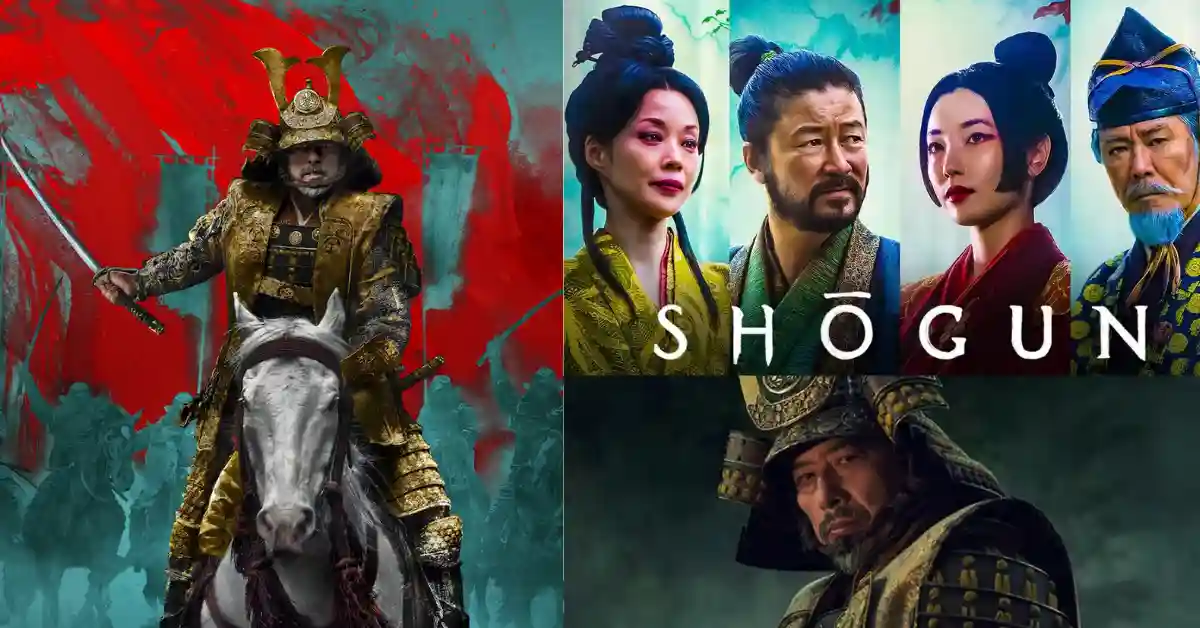

A comprehensive breakdown of the intense content in FX’s acclaimed series that helps families decide if it’s appropriate for viewing together.
The historical drama Shogun has won critical praise and major awards, but its gripping story of feudal Japan comes with intensely mature content. Parents and guardians should look closely at the show’s realistic depictions of violence, sexual situations, and adult themes before deciding if it’s suitable for younger viewers in their household. Official ratings and content guides consistently place this series firmly in the adult viewing category due to graphic scenes that mirror the brutal realities of its historical setting.
Official Age Ratings And Content Warnings
Shogun carries strong age restrictions across international markets. In the United States, it is rated TV-MA, which means it is specifically designed for mature audiences and may be unsuitable for children under 17. This is the highest rating for television content. In New Zealand, the show has been self-rated by Disney as suitable for ages 16 and over due to “violence, offensive language, and content that may disturb”. Common Sense Media, a nonprofit that reviews media for families, recommends the show for viewers aged 16 and up.
These ratings are not arbitrary. They are direct responses to the specific and often graphic content contained within the series, which is based on James Clavell’s 1975 novel. The story is set in Japan in the year 1600, a period marked by civil war, rigid social codes, and intense political conflict, which the show depicts without pulling its punches.
A Detailed Look At Violence And Disturbing Imagery
The most prominent reason for the strict age rating is the show’s unflinching portrayal of violence. This is not stylized or cartoonish action, but graphic and often brutal depictions consistent with the time period.
- Graphic Combat and Executions: The series features scenes of characters being killed with swords, katanas, arrows, and muskets. Blood splatter and detailed wounds are shown. Decapitations occur, with the camera showing heads being cut off and sometimes rolling on the ground.
- Intense Torture and Cruelty: One of the most disturbing scenes involves a prisoner being boiled alive. The scene includes close-ups of the character’s tortured face and the sound of their agonizing screams, which continue in the background of other scenes. In a degrading act of punishment, one man urinates on another character.
- Ritual Suicide (Seppuku): A central theme in the series is the samurai practice of seppuku, or ritual suicide. Several characters perform this act on-screen. The scenes can include the blade cutting across the stomach, the spilling of internal organs, and the subsequent beheading to end the person’s suffering.
- Disturbing Storylines Involving Children: In a particularly upsetting plot point, a baby is sentenced to death off-screen. Viewers see the mother’s profound grief as she clutches her child and threatens to take her own life. This scenario is highlighted by multiple sources as potentially very challenging for viewers, especially parents.
Sexual Content, Nudity, And Language
Beyond violence, Shogun contains other adult-oriented content that contributes to its mature rating.
- Sex and Nudity: The series includes sex scenes where characters are intimate, with movement and sounds implied. While nudity is often obscured, there are brief shots of a man’s bare buttocks and a scene where a female sex worker undresses, showing her bare breasts. In another instance, a man grabs his genitals as a verbal insult.
- Strong Language: The dialogue includes frequent use of strong profanity. Words such as “f—ing,” “s–t,” “pr–k,” “ass,” “bitch,” and “bastard” are used by characters to express frustration or insult one another.
- Substance Use: Reflecting the historical setting, characters are shown drinking sake and occasionally becoming drunk. In one storyline, a husband becomes abusive toward his wife when inebriated.
The Educational Value And Positive Themes
Despite its heavy content, Shogun is widely acclaimed for its deep storytelling, cultural authenticity, and positive messages. It is the first non-English-language show to win the Emmy Award for Best Drama. These elements might interest parents of mature teens, but they are woven into a very adult narrative.
The show features a largely Japanese cast and was produced with a deep commitment to cultural accuracy, offering a window into feudal Japanese society. Under the guidance of star and producer Hiroyuki Sanada, the production paid meticulous attention to historical detail. The series also presents strong female characters who wield significant political power and intelligence in a patriarchal society.
Matt Cabral of Common Sense Media notes, “Storytelling reigns in violent, mature period epic… Strong themes of bravery, courage, loyalty, and doing what’s right.”
For mature viewers, these themes of honor, strategy, loyalty, and cultural collision provide rich material for discussion. However, engaging with these themes requires first navigating the show’s intense and graphic scenes.
Related Stories


Final Guidance For Parents And Guardians
Making an informed decision is key. Here is a concise summary to help families:
- Recommended Minimum Age: 16 years and older, based on consensus from official ratings and independent parent guides.
- Core Concerns: Graphic and bloody violence (decapitations, seppuku, torture), disturbing storylines (child death), sexual content/nudity, and frequent strong language.
- Consider Watching First: Given the impactful nature of specific scenes, parents are strongly advised to preview an episode or consult detailed content guides before allowing a mature teenager to watch.
- Alternative for Younger Viewers: If a child is interested in Japanese history or culture, consider age-appropriate alternatives like the animated films of Studio Ghibli (“Spirited Away,” “The Tale of The Princess Kaguya”) or documented historical series designed for younger audiences.
The series is available to stream in full, with all ten episodes released. It stars Hiroyuki Sanada, Cosmo Jarvis, and Anna Sawai. While a second season has been confirmed and will jump the story forward in time, the first season remains a complete, self-contained story.
Also Read: Saturday Night Live Season 51 Returns January 17: Finn Wolfhard Hosts with A$AP Rocky


















Leave a Reply