

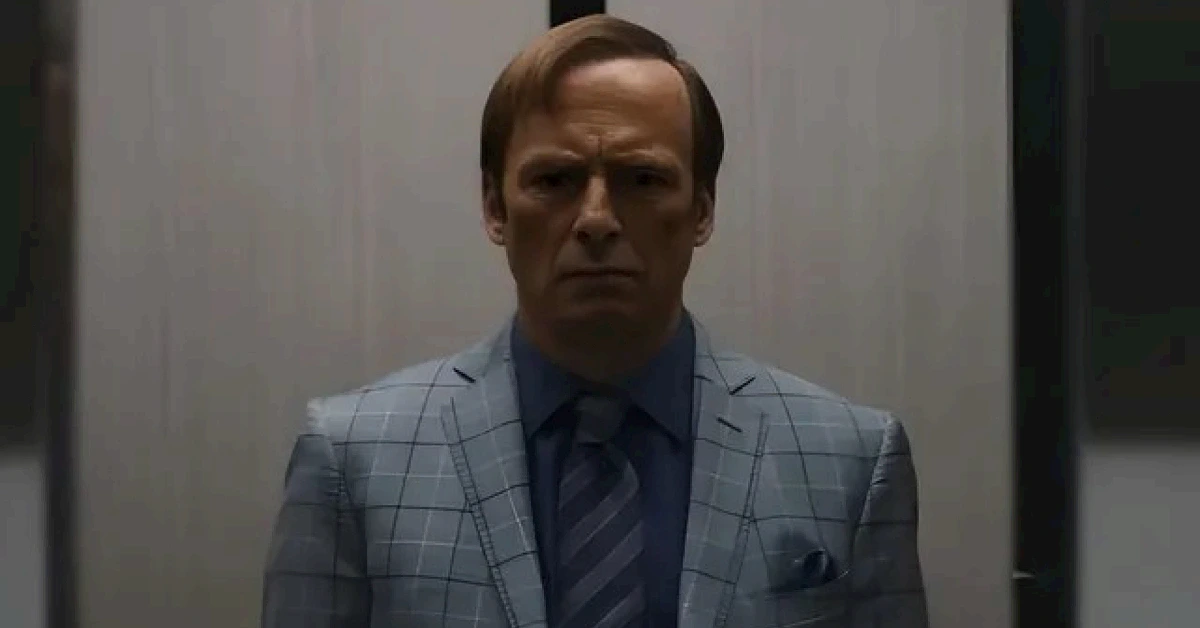
The debate between Better Call Saul and Breaking Bad often focuses on scope and spectacle. Breaking Bad delivers a propulsive, action-packed story of a man’s transformation into a monster. Better Call Saul offers a slower, more intricate character study. For many fans and critics, the entire argument that the prequel surpasses the original comes into sharp focus with one specific episode: “Chicanery” from Season 3. This masterful courtroom hour does what Breaking Bad rarely attempted, using legal drama and psychological warfare to create a devastating emotional climax that many believe showcases the superior depth of Better Call Saul.
While Breaking Bad has iconic episodes like “Ozymandias,” known for its intense action and plot resolution, “Chicanery” achieves its power through dialogue, character history, and a breathtaking performance. It centers on the public and personal downfall of Jimmy McGill’s brother, Chuck, played by Michael McKean. The episode builds the complex, tragic relationship between the two brothers into a single, unforgettable courtroom scene that many point to as the moment the prequel proved its unique greatness.
The Core Conflict: Brother Against Brother
To understand the impact of “Chicanery,” you must understand the conflict between Jimmy and Chuck McGill. Chuck is a brilliant, respected lawyer who suffers from a psychosomatic condition he believes is an electromagnetic hypersensitivity. Jimmy, a former con artist trying to become a legitimate lawyer, feels perpetually belittled and judged by his older brother. Chuck, in turn, deeply resents Jimmy’s charismatic, rule-bending ways and believes he is not a “real” lawyer.
The episode’s plot involves a hearing by the New Mexico bar association to determine if Jimmy should be suspended. Chuck is the star witness against his own brother. Jimmy knows that to win, he must prove Chuck’s mental illness is affecting his judgment, forcing him to publicly humiliate the man he once looked up to. This sets the stage for a confrontation with more personal stakes than any cartel gunfight.
The Courtroom Masterstroke
The entire second half of “Chicanery” takes place in the bar association hearing room. The tension is built not with physical threats, but with words and carefully laid traps. Jimmy, with help from his partner Kim Wexler, orchestrates a plan to expose Chuck’s illness.
The climax revolves around a cell phone battery. Earlier, Jimmy swapped a full battery for an empty one in Chuck’s pocket. In the hearing, after Chuck gives damning testimony about Jimmy’s character, Jimmy’s friend Howard Hamlin is called. Howard reveals the switched battery. When confronted, Chuck frantically insists the battery in his pocket is full, that he can feel its radiation. He is finally goaded into taking the battery out in front of the entire room.
In a moment of pure theatrical breakdown, Chuck holds the inert battery, realizes he has been tricked, and launches into a furious, screaming rant about Jimmy’s true nature. He reveals his deep-seated hatred, yelling, “He’s not a real lawyer! He’s a chimp with a machine gun!” The carefully composed facade of the distinguished attorney shatters completely.
The scene is a devastating character assassination, but the victim is Chuck himself. His credibility is destroyed. He wins the legal point—Jimmy accepts a suspension—but loses his dignity, his reputation, and his last shred of stability in front of his peers. Actor Michael McKean’s performance in this scene is widely considered one of the best in the entire Breaking Bad universe.
Why “Chicanery” Tops Breaking Bad’s Best
This is where fans make the case for Better Call Saul’s superiority. Breaking Bad episodes often turn on violent acts or shocking twists. The impact of “Ozymandias” comes from the culmination of Walter White’s actions coming home in a brutal, bloody way.
“Chicanery” derives its immense power from psychology and character history. The tragedy was built over three seasons. The weapon is a battery, not a gun. The death is that of a family bond and a man’s self-image. The episode forces the audience to hold conflicting feelings: satisfaction at Jimmy’s clever victory and profound sorrow for Chuck’s utter destruction. It is a nuanced, morally complex climax that Breaking Bad, in its more straightforward tale of good versus evil within one man, rarely explored to this depth.
As one critic noted, Better Call Saul “probed grey areas that Bad only grazed,” and “Chicanery” is the purest example of this. It transformed a legal hearing into Shakespearean drama, proving the show’s ability to generate unbearable tension from the secrets between two men in a room.
You May Also Like:

The Lasting Impact on the Series
The fallout from “Chicanery” defines the rest of Better Call Saul. Chuck’s humiliation directly leads to his tragic end later in Season 3. Jimmy’s victory is pyrrhic; he saves his law license but is forever burdened by his role in his brother’s downfall. This moment is the true point of no return for Jimmy McGill, setting him more firmly on the path to becoming Saul Goodman than any cartel interaction.
For many, this episode cemented Better Call Saul not just as a great companion to Breaking Bad, but as a more sophisticated and emotionally resonant piece of storytelling. It demonstrated that the most crushing explosions are not of meth labs, but of the human psyche.
Also Read: Ember and Ice Audio Series Release Info: A Romantasy Duet for Heated Rivalry Fans


Leave a Reply