

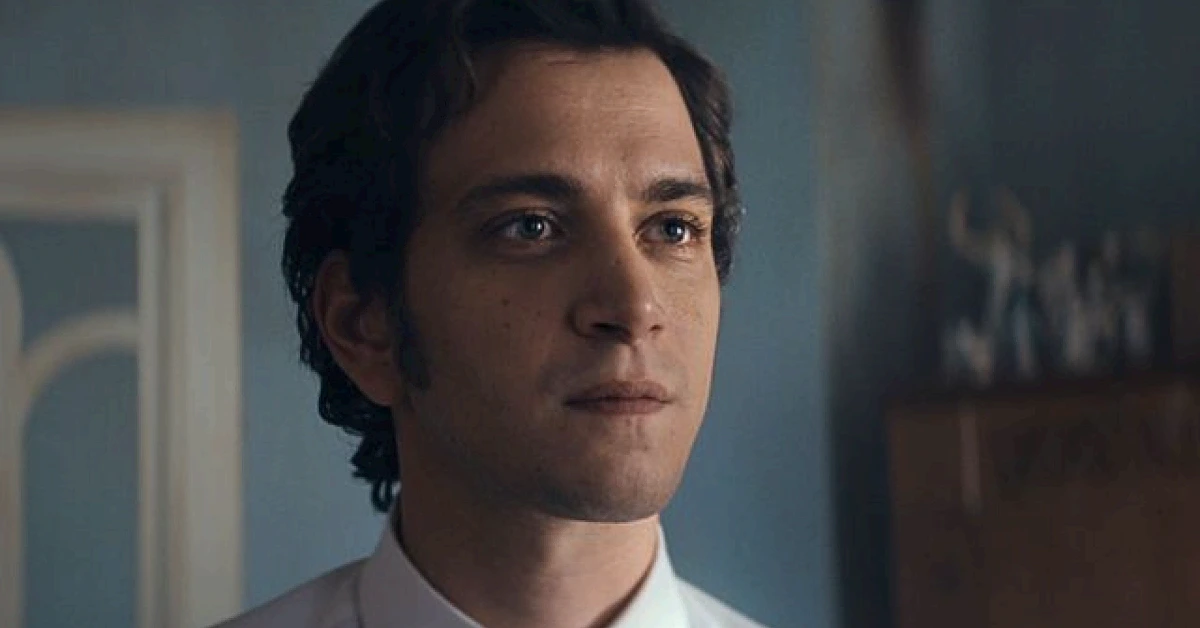
Orhan Pamuk’s celebrated novel, The Museum of Innocence, tells the story of a love so powerful that it turns into an obsession lasting decades. The book, which won its author the Nobel Prize in Literature, follows Kemal Basmaci, a wealthy Istanbul businessman, and his consuming passion for his distant cousin Fusun, a shopgirl from a poorer background. Their story begins with a brief, intense affair in 1975 and ends with tragedy years later. But the novel does not simply close with Fusun’s death. Instead, it shows how Kemal chooses to deal with his loss by building a physical museum filled with objects connected to her. This ending reveals that Kemal’s way of coping is to transform his grief into a permanent collection, essentially immortalizing Fusun in his memories through the things she touched and used.
The ending of The Museum of Innocence is both heartbreaking and thought-provoking. After waiting for nearly a decade to be with Fusun, Kemal finally gets his chance, only to lose her in a sudden car accident. Unable to bring her back, he does the only thing he can think of. He spends the rest of his life creating a museum that houses thousands of items, from cigarette butts to hairpins, each one a reminder of a moment spent with her. By doing this, Kemal turns his memories into something physical and lasting, ensuring that Fusun is never truly gone.
The Tragic Final Moments of Fusun’s Life
After years of visiting Fusun at her parents’ home while she was married to another man, Kemal finally gets what he wants. Fusun divorces her husband and agrees to marry Kemal. But their happiness does not last long. On the night they are driving to start their life together, Fusun loses control of the car and crashes into a tree. She dies instantly . This sudden and shocking moment ends any hope Kemal had of a future with her.
What makes this even more painful is the timing. Kemal had spent eight years sitting at her dinner table, watching her, collecting small objects from her home, and waiting for her to be free . He had given up his engagement to Sibel, his social standing, and his peace of mind for this moment. Then, in a split second, it was all taken away. Fusun’s death leaves Kemal completely empty, with nothing left but the objects he had already collected over the years.
Building the Museum as a Way to Hold On
After Fusun’s death, Kemal does not try to move on or find another love. Instead, he dedicates himself entirely to creating a museum. He gathers every single item he collected during the years of waiting and adds more things that remind him of her. The collection grows to include 4,213 cigarette butts, each one saved because Fusun’s lips had touched them . He also keeps saltshakers, coffee cups, hairpins, barrettes, and even a china dog sculpture . These are not valuable objects in the traditional sense, but to Kemal, they are priceless because they carry her memory.
The museum becomes Kemal’s reason to live. He organizes these items into display cases, each one representing a different moment or feeling from his time with Fusun. By doing this, he creates a space where time stops moving forward. In the museum, Fusun is always present. Visitors can see the things she used and imagine her life. For Kemal, this is the only way he can still be close to her.
Pamuk himself took this idea beyond the pages of the book. In 2012, he opened a real Museum of Innocence in the Cukurcuma neighborhood of Istanbul . The actual museum contains the very objects described in the novel, displayed in vitrines that match the chapters of the book. Visitors who read the novel can find a ticket printed in the book that grants them entry to the real museum . This blurs the line between fiction and reality, making Kemal’s museum something that actually exists in the world.
The Deeper Meaning of Kemal’s Museum
Kemal calls his collection the Museum of Innocence, and the name carries deep meaning. The innocence refers not just to Fusun, but to the pure, uncorrupted love Kemal feels for her. In his mind, their love was innocent because it existed outside the rules of society, class, and marriage. The museum preserves that innocence by keeping it safe from the passage of time .
But there is also a sadness to this innocence. Kemal never truly gets to know Fusun as a full person. He loves the idea of her, the image he has built in his mind. The objects he collects are proof of this. He takes things without asking, often stealing them from her home while her family is distracted . He never considers whether Fusun would want these items displayed for strangers to see. His love is genuine, but it is also selfish.
Pamuk explores this through the concept of the fetish. Scholars have noted that Kemal’s attachment to objects fits with Freud’s ideas about fetishism. Kemal replaces the real Fusun with things that represent her . When he cannot have her, he holds onto her cigarette butts and hairpins. These objects give him comfort, but they also keep his pain alive. They remind him of what he lost every single day.
How the Museum Changes Time and Memory
One of the most powerful ideas in the novel is that museums transform time into space. Pamuk writes that real museums are places where time becomes something you can walk through . Kemal’s museum does exactly this. Each display case holds objects from a specific period or event. Visitors can move from case to case and experience the story of Kemal and Fusun in order, as if time itself has been laid out in a room.
This is how Kemal keeps Fusun alive. She is gone from the world, but she still exists in the museum. Every cigarette butt, every saltshaker, every hairpin holds a piece of her. For Kemal, touching these objects is like touching her again. He describes finding relief by stroking them against his skin . The objects release what he calls an “analgesic,” soothing his pain even as they remind him of its source.
By the end of his life, Kemal has become one with his collection. He lives in the museum, surrounded by Fusun’s things. He has given up everything else. Some readers find this pathetic or creepy. They see Kemal as a man who wasted his life on an obsession . But others understand that this is the only way he can survive. Without the museum, Fusun would disappear completely. With it, she remains present forever.
The Role of Istanbul in Kemal’s Grief
The city of Istanbul plays a huge role in the story, and it also shapes how Kemal grieves. Pamuk describes Istanbul as a place filled with melancholy, a word he translates as hüzün . This is the collective sadness that comes from living in a city that was once the capital of a great empire but is now something smaller. The streets, the old mansions, the Bosphorus views all carry this feeling of loss.
Kemal’s personal grief mirrors the city’s grief. Just as Istanbul holds onto the ruins of its past, Kemal holds onto the objects of his past. Both are trying to preserve something that can never come back. The museum becomes a small version of Istanbul itself, a place where time has stopped and memory rules.
When Pamuk placed the real museum in Cukurcuma, a working-class neighborhood filled with antique shops and old houses, he connected it even more deeply to this idea . The museum is not in a fancy part of town. It is in a place where the past is already visible in every corner. Walking through the neighborhood feels like walking through memory, just like walking through the museum.
Why Kemal’s Choice Resonates with Readers
Readers have strong reactions to Kemal and his museum. Some find him tiresome and his obsession hard to understand . They wonder why anyone would spend decades collecting cigarette butts instead of trying to live a full life. But others see something universal in his behavior . Almost everyone has kept some small object from a lost love, a photo, a gift, a letter. Kemal simply takes this impulse to its extreme.
The novel forces readers to ask themselves what they would do in his position. When someone you love dies, how do you keep them with you? How do you hold onto memories without letting them destroy you? Kemal does not find a healthy balance. He chooses the museum over everything else. But his choice is understandable, even if it is sad.
Pamuk also gives readers a way to experience this for themselves. By including a ticket to the real museum in the book, he invites us to step into Kemal’s world . We can see the earring that Fusun lost on the first day they made love. We can see the cigarette butts with her lipstick stains. For a moment, we become like Kemal, touching the past through objects.
Related:









The Museum as a Love Letter That Never Ends
In the end, The Museum of Innocence is a love letter written in objects instead of words. Kemal cannot bring Fusun back, but he can make sure she is never forgotten. Every item in the museum says the same thing: she was here, she lived, she mattered to someone. For Kemal, this is enough.
The ending does not offer easy answers. Kemal does not find peace or move on. He simply finds a way to keep going by surrounding himself with her memory. Some might call this madness, and maybe it is. But it is also a powerful statement about love and loss. Love does not always let go, even when the person is gone. Sometimes it builds a museum and stays there forever.
The novel closes with Kemal looking back on his life and his collection. He has done what he set out to do. Fusun lives on in the museum, in every object, in every memory. Visitors will come and go, but she will always be there, frozen in time, waiting in the displays. For Kemal, that is the only happy ending possible. He cannot have her in life, so he keeps her in death, immortalized not in a statue or a painting, but in the simple, ordinary things she left behind.
Also Read: Suburgatory Complete Series Release on Netflix: Where to Watch the ABC Cult Classic Comedy in 2026
For more insightful explanations of classic and contemporary literary works, stay connected with VvipTimes for deep dives into the stories that move us.






















































































Leave a Reply