

The medical drama The Pitt returned for its second season on January 8, 2026, and it is already getting attention for how it looks just as much as for the stories it tells. While viewers are focused on the intense medical cases and the personal struggles of Dr. Robby (Noah Wyle) and the rest of the staff, the people behind the camera are doing something very different from the usual TV show. The cinematography on The Pitt is not just about capturing the actors; it is about dropping the audience directly into the chaos of a busy emergency room.
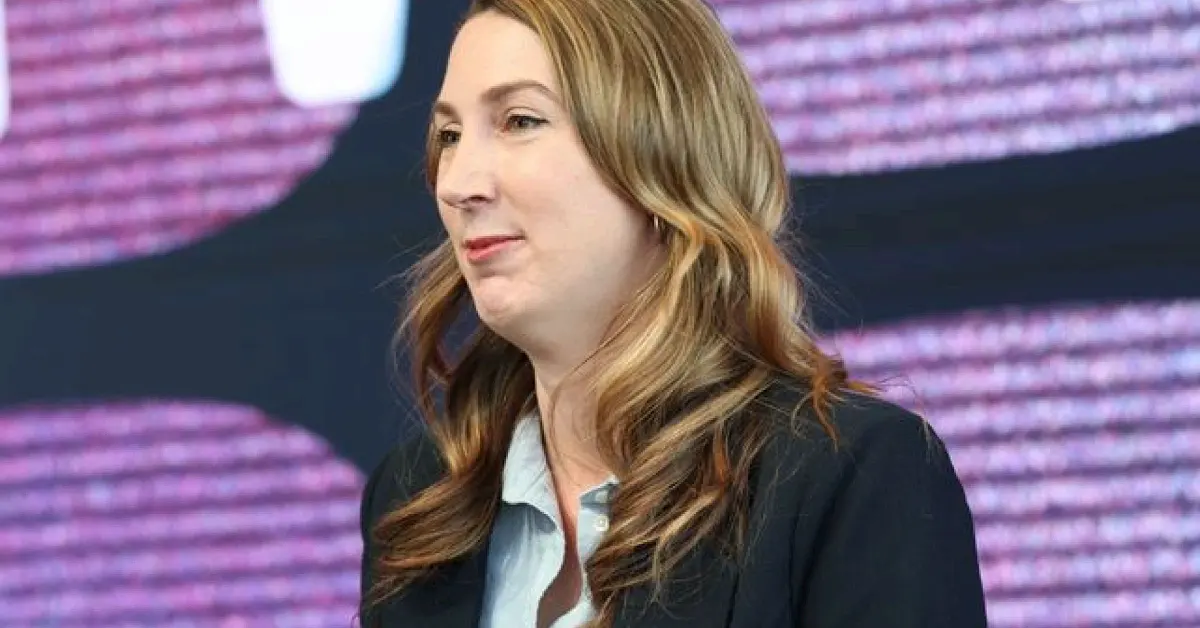
The show’s director of photography, Johanna Coelho, recently opened up about one major factor that makes the character-driven stories in Season 2 feel so real and immediate. It comes down to a simple but powerful idea: making the camera work feel “intentionally sloppy” to put viewers right in the middle of the action.
The ‘Intentionally Sloppy’ Camera Work That Pulls You In
If you have watched The Pitt, you might have noticed that the camera never sits still. It moves with the doctors, it pushes through hallways, and it gets close to the action in a way that feels almost like a documentary. This is a very deliberate choice. Noah Wyle, who is not only the star but also an executive producer on the show, explained that the goal is to make the audience feel like they are on a “ride-along” with the medical team .
The traditional way of filming a medical drama usually involves putting the camera at the foot of the bed, looking down at the doctors as they work on a patient. The Pitt flips this idea. Instead, the camera looks from the doctor’s perspective, giving viewers a sense of what it is like to be the one treating the patient . This small change creates a huge difference in how the story feels.
To achieve this, the production team got rid of almost all the normal filmmaking equipment that gets in the way. There are no traditional lights standing around on the floor. There are no C-stands (the metal stands that hold lights and equipment). There are no camera tracks on the ground for smooth, gliding shots . Instead, the set itself is built to be a filming machine. More than 200 individual lights are built into the ceiling of the hospital set. These lights are controlled remotely, and they change in real-time as the actors move through the space.
This setup means the actors are completely free. They do not have to hit specific marks on the floor for the camera to find them. The camera operators do not have to guess exactly how far away the actors are going to be. As Wyle described it, the result is “intentionally sloppy” and “intentionally, slightly off-perfect” . This style grounds the show in the perspective of someone who is just watching the action unfold, like a voyeur or a person riding in the back of an ambulance.
Breaking Down That Risky Motorcycle Scene in the Premiere
A perfect example of how this cinematography style works is the opening scene of Season 2. The episode begins with Dr. Robby riding his motorcycle through Pittsburgh. He is heading to work for what is supposed to be his last shift before a long sabbatical. But something immediately catches the eye of viewers: he is not wearing a helmet. The helmet is sitting right there on the seat behind him, but his head is bare .
This moment was shocking for many fans. Why would a doctor, who sees the results of reckless behavior every day, do something so unsafe? According to Johanna Coelho, the choice about the helmet was not even made when they first shot the scene . The team filmed the sequence in a way that gave them options. They shot it with Noah Wyle on the bike, and they also shot it with a stunt driver.
For the shots where Robby is not wearing a helmet, they had to use a stunt driver and then use visual effects to replace the driver’s face with Noah Wyle’s face in post-production . This technical work was necessary to get the shots they wanted while keeping the actor safe.
Coelho explained that they filmed the motorcycle sequence using two different methods. First, they used a “process trailer,” which is a special piece of equipment that pulls the motorcycle and carries the camera crew along with it. Second, they shot the bike riding freely on the actual road. The cinematographer said she loved the “freely moving” shots because they created a much more dynamic and “visceral” feeling for the opening of the show .
This scene is not just a cool visual. It sets up a major question for the season. Coelho confirmed that the choice to have Robby ride without a helmet is a detail that will impact the rest of the season . It shows that Dr. Robby might not be in the best mental state as he prepares to leave the hospital. It is a small character moment, but the way it was filmed—with that raw, moving camera style—makes the audience feel the wind and the speed and the danger right along with him.
Realism That Goes Beyond the Camera
The commitment to realism on The Pitt does not stop with the camera work. The entire production is designed to make the medical world feel authentic. The main set is a massive, near-functional emergency department that covers about 2,200 square meters . This gives the actors and the camera plenty of space to move around freely.
Even the extras on the show are often real medical professionals. Many of the nurses and other staff members you see in the background are people who have worked in hospitals . They know how to move, how to handle equipment, and how to interact in a medical setting. This adds a layer of truth to every scene.
In one instance during Season 2, the show took realism to a level that might make some viewers squirm. For a scene involving an unhoused patient who arrives with maggots under a cast, the production team decided to use real maggots instead of relying on CGI or fake props . Noah Wyle confirmed that the crew made sure the maggots were handled ethically, even having a dedicated “maggot wrangler” on set to look after them . This level of detail shows how dedicated the team is to depicting emergency medicine in all its messy, unpredictable reality.
What This Style Means for the Stories in Season 2
The “intentionally sloppy” camera style does more than just look cool. It directly supports the kinds of stories The Pitt wants to tell. Season 2 picks up ten months after the events of the first season, during a busy Fourth of July weekend . The hospital is hit with a system-wide computer failure, forcing the staff to go completely analog in the middle of a holiday surge .
With the camera moving freely and following the action so closely, the audience feels the stress of this situation. It is one thing to watch actors pretend to be stressed. It is another thing entirely to feel like you are dodging gurneys and doctors right alongside them.
The show also introduces new characters this season, including Dr. Baran Al-Hashimi (played by Sepideh Moafi), a new attending physician who is set to take over for Robby while he is on his sabbatical . Robby immediately clashes with her, especially when she suggests changes like using AI apps for patient charting . The tense exchanges between these two characters are made even more powerful by the intimate camera work. Viewers are not watching from a safe distance; they are right there in the room, seeing the frustration on Robby’s face and the calm determination on Al-Hashimi’s face.
Critics have praised this approach. Reviews for Season 2 note that the show creates an “electric atmosphere” that inserts you in the middle of it all . The camera work turns the emergency department into a character itself—a loud, chaotic, and never-resting force that the doctors have to battle against every day.
Related:










A Winning Formula That Keeps Viewers Coming Back
The Pitt has proven that its unique visual style is a major part of its success. The show won five Emmy Awards for its first season, including the big one for Outstanding Drama Series . The second season is already receiving strong reviews, with critics saying it avoids the “sophomore slump” and delivers on every level .
The show’s creators, R. Scott Gemmill and John Wells, have said they did not want to make Season 2 “bigger and crazier” just for the sake of it . Instead, they decided to stay true to the characters and the original concept. That concept includes the immersive, realistic camera work that makes The Pitt stand out from every other medical show on television.
Streaming information is also important for fans who want to catch up. The Pitt Season 2 is currently available to stream on HBO Max (also known as Max). New episodes are released every Thursday at 9 p.m. ET . For viewers in the UK, the show is available on Sky and NOW. In India, fans can watch it on JioHotstar . Australian viewers can find it on Binge. The show’s strong performance has already led to a renewal for a third season, which was announced even before the second season premiered .
The combination of smart storytelling, incredible performances, and a camera style that puts you right in the middle of the action makes The Pitt a must-watch. It is a show that respects its audience enough to let them feel the chaos, the pain, and the small victories of working in a modern American hospital. And with 15 episodes in the season, there is plenty of time to spend another full, stressful, and rewarding day at Pittsburgh Trauma Medical Center.
Also Read: ‘Love Story’ Episode 3 Recap: John Rushes to Carolyn After His Mother Jackie’s Passing
For more updates on the latest entertainment news, keep checking VvipTimes for exclusive interviews, reviews, and behind-the-scenes stories from your favorite shows.















































































Leave a Reply