

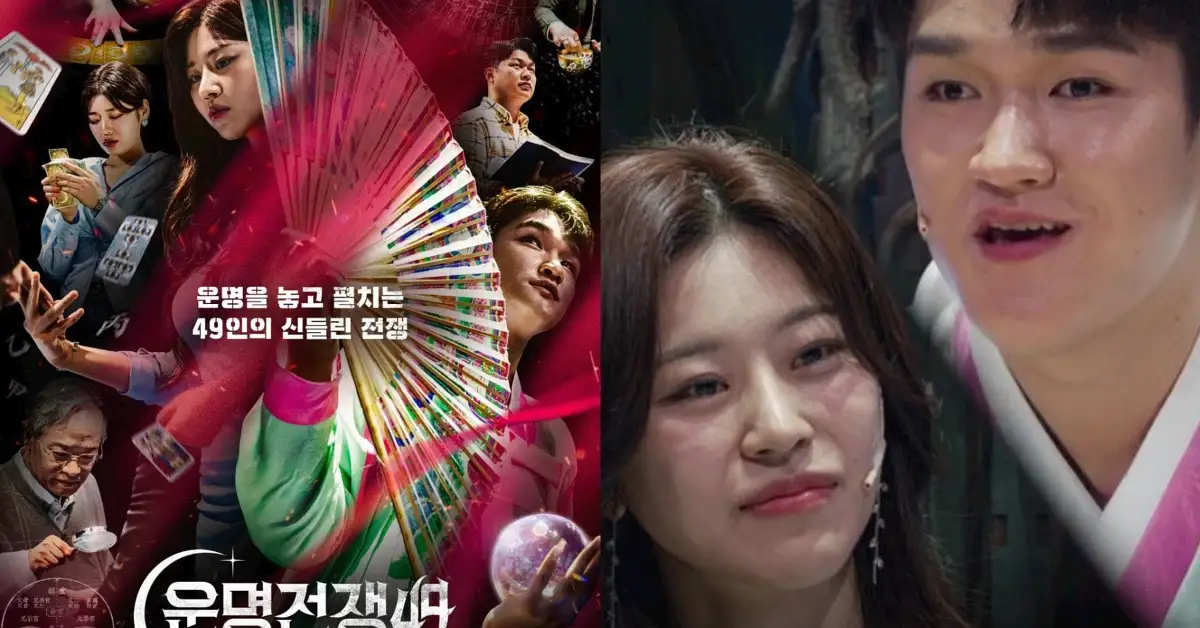

The Battle of Fates delivered its most intense episodes yet as the long-awaited Battle of Qi finally unfolded across episodes 5, 6, and 7. The historical Chinese drama, which has been building toward this massive confrontation since its premiere, did not disappoint viewers with its depiction of military strategy, personal sacrifice, and shifting loyalties. The three-episode arc that aired this week completely changed the power dynamics between the warring states, leaving some characters in positions of strength while others faced devastating losses.
The Battle of Qi sequence represented the culmination of weeks of political maneuvering and military preparation. Director Li Ming and writer Wang Fang crafted battle sequences that balanced large-scale action with intimate character moments, giving audiences a comprehensive look at how warfare affected everyone from generals to common soldiers. The production value in these episodes showed with thousands of extras, detailed period-accurate costumes, and choreographed fight scenes that brought ancient Chinese warfare to life.
Streaming platforms across the globe made these episodes available simultaneously. Viewers in the United States can watch on Viki with English subtitles, while United Kingdom audiences have access through Amazon Prime Video’s Asian content library. Canadian viewers are streaming on Apple TV, and Australian audiences can catch the episodes on SBS On Demand. In India, the series continues to perform strongly on MX Player and Viu, with Hindi-dubbed versions attracting new viewers to the historical drama genre.
Who Emerged Victorious From the Battle of Qi
General Zhao Wuji stands as the clearest winner following the Battle of Qi conclusion. His unconventional tactics, which involved dividing his forces and using the mountainous terrain to ambush the Qi army, proved decisive. Episode 6 showed Zhao Wuji personally leading a cavalry charge that broke through the Qi defensive lines, a moment that has already become a talking point among viewers. His strategic brilliance earned him recognition from the King of Wei, who promoted him to Supreme Commander of all Wei military forces in episode 7.
The State of Wei clearly won the Battle of Qi in terms of territorial gains. Maps shown during the episode’s strategic planning scenes confirmed that Wei forces now control three key Qi cities along the border. These cities provide access to trade routes and natural resources that will strengthen Wei’s economy for years to come. The show’s historical consultants ensured these territorial changes reflected actual ancient warfare outcomes while compressing timelines for dramatic effect.
Princess Linglong of Wei also emerged as an unexpected winner through her behind-the-scenes maneuvering. While the battle raged, she successfully negotiated with neutral states to prevent them from sending reinforcements to Qi. Episode 5 devoted significant screen time to her diplomatic efforts, showing how she used intelligence gathered from merchants and traveling performers to anticipate enemy movements. Her character continues to evolve from a court figure into a genuine political operator.
The Losers Face Devastating Consequences
King You of Qi suffered the most significant loss during the Battle of Qi episodes. His decision to personally lead the army, driven by ego rather than strategic necessity, left his forces without clear leadership when he was wounded in episode 6. The kingdom now faces internal power struggles as his advisors compete for influence while he recovers. Historical drama fans noted the irony of his situation, as he had criticized previous rulers for making similar mistakes.
The Qi military lost approximately 15,000 soldiers during the three-episode battle sequence. General Sun Xiang, the Qi commander, was captured during the final confrontation shown in episode 7. His capture represents not just a military loss but a psychological blow to Qi morale, as Sun Xiang was considered their most capable strategist. His scenes in captivity, refusing to betray his kingdom despite offers of wealth and position, added emotional weight to an already intense episode.
Chen Wei, a Qi supply officer introduced in episode 4, lost everything when Wei forces captured the supply depot he commanded. His personal story arc, showing a loyal servant trying to protect the soldiers depending on him, gave viewers a ground-level perspective on the Battle of Qi. His death scene in episode 7, where he chose to burn the remaining supplies rather than let them fall to Wei, resonated with audiences who had followed his journey.
Character Arcs That Defined the Battle Episodes
Young General Li Ming of Wei transformed throughout these episodes from a by-the-book commander to a flexible military leader. His character growth occurred during the Battle of Qi when he had to adapt his training to the realities of combat. Episode 6 showed him learning from local villagers about hidden mountain paths, information that proved crucial to the Wei victory. His relationship with a village elder’s daughter, hinted at through brief exchanges, suggests future story developments.
The Battle of Qi episodes provided breakthrough moments for several supporting characters. Wei Zheng, a Wei scout, survived behind enemy lines and delivered critical intelligence that changed the battle’s outcome. His harrowing journey through episode 5 and 6, evading Qi patrols and surviving on minimal food, created tension even during non-battle scenes. Actor Wang Hao’s physical performance in these sequences earned praise from viewers on social media.
Minister Zhou of Qi faced his own private battle far from the front lines. His efforts to maintain government function while managing the king’s increasingly erratic behavior showed another dimension of warfare. Episode 7 revealed that he had secretly sent his own sons to fight, personalizing his stake in the conflict. His scenes provided contrast to the battlefield action while maintaining thematic connections to sacrifice and duty.
Fan Reactions and Social Media Response
Viewers took to social media immediately following the Battle of Qi episodes to share their reactions. The battle sequences trended on Weibo within hours of the episodes streaming, with fans creating detailed analyses of military tactics used in the show. International viewers on Twitter praised the production quality, comparing it favorably to big-budget historical films.
The emotional impact of certain character deaths sparked discussion across fan communities. Wei soldier Wang‘s final scene in episode 6, where he wrote a letter to his unborn child before dying, became a particularly emotional touchpoint. Viewers shared screenshots of the letter’s text, which combined period-appropriate language with universal themes of parental love and sacrifice.
International fan communities created detailed maps tracking the Battle of Qi movements. These fan-made resources helped global audiences understand the tactical situations that might otherwise confuse viewers unfamiliar with historical Chinese geography. The collaborative effort showed how engaged the international audience has become with the series.
Streaming Performance and Global Reach
The Battle of Qi episodes drove significant streaming numbers across platforms. Early viewing data from Asian streaming services shows these three episodes outperformed the premiere week’s numbers by a considerable margin. The battle sequences, spread across multiple episodes, encouraged binge-watching behavior as viewers wanted to see the conflict through to its conclusion.
Streaming platforms in different regions reported varied viewing patterns. American audiences tended to watch episodes as they became available, while European viewers showed stronger binge-watching tendencies, waiting to watch all three episodes together. Indian audiences showed particular interest in the political maneuvering scenes, with viewership spiking during the diplomatic negotiation sequences in episode 5.
The show’s availability on multiple platforms in each region helped maximize its reach. Australian viewers appreciated having free access through SBS On Demand, which introduced the series to audiences who might not typically seek out historical Asian dramas. Canadian streaming numbers showed strong performance across both coasts, with particular strength in cities with large Asian populations.
Production Values in the Battle Sequences
The Battle of Qi sequences showcased the production team’s commitment to authenticity. Costume designers created thousands of uniforms that distinguished between different military units while maintaining historical accuracy. Armor designs reflected actual archaeological finds from the period, with each kingdom’s soldiers wearing distinct styles that helped viewers track the action.
Choreography teams spent months training extras for the battle scenes. Episode 6’s extended battle sequence involved coordinated movements that required precise timing from hundreds of participants. The result showed in the fluid transitions between wide shots showing army movements and close-ups of individual combat.
Sound design played a crucial role in building tension during the Battle of Qi episodes. The contrast between the silence before battle and the chaos of combat created emotional impact. Weapons clashing, soldiers shouting, and horses charging combined into a soundscape that immersed viewers in the ancient world. The musical score shifted between traditional Chinese instruments and modern orchestral elements, bridging past and present.
Historical Context Within the Drama
The Battle of Qi draws from actual historical conflicts while taking dramatic liberties for storytelling purposes. The show’s historical consultants ensured that the political situation between states reflected actual ancient Chinese power dynamics. Weapon types, military formations, and siege techniques shown in the episodes correspond with archaeological evidence from the period.
Characters in the Battle of Qi episodes represent composite figures inspired by historical individuals rather than direct portrayals. This creative choice allows writers to develop personal stories while maintaining historical authenticity. General Zhao Wuji combines traits from several successful commanders, creating a character who embodies the ideal military leader of the era.
The strategic situations shown in the episodes reflect actual military thinking from ancient China. Sun Tzu’s Art of War principles appear throughout the tactical discussions, with characters explicitly referencing concepts like knowing your enemy and using terrain to advantage. These references add educational value for viewers interested in historical military strategy.
Related Stories






View all articles about
Relationships Tested by War
The Battle of Qi episodes tested every relationship established earlier in the series. Brothers fought on opposite sides, lovers faced separation, and mentors watched students make fatal mistakes. Episode 6’s emotional core centered on two childhood friends, one serving each army, meeting on the battlefield and the choices they made.
Romantic relationships faced particular strain during the battle sequences. Wei scout Zhang‘s promise to return to his betrothed became increasingly uncertain as the fighting intensified. Episode 7 showed his fiancée watching from the city walls, unable to know his fate until the battle ended. These human moments balanced the epic scale of warfare with personal stakes.
Father-son relationships provided some of the episode’s most powerful scenes. General Zhao Wuji‘s son fought in the front lines, and scenes showing the general watching from his command position added emotional depth to the battle. The parallel between leading his army and protecting his son created dramatic tension that individual combat scenes alone could not achieve.
Also Read: Generation to Generation Episode Release Schedule and Streaming Details for Global Audiences
For more exclusive coverage of The Battle of Fates and other popular Asian dramas, stay connected with VvipTimes for the latest updates, recaps, and breaking entertainment news from across the global entertainment industry.




















Leave a Reply