
When HBO first announced a prequel to Game of Thrones, many expected more of the same—sprawling adventures across continents, shocking deaths, and a dozen storylines running at once. But House of the Dragon took a different path. Instead of trying to copy what worked before, the show quietly built its own identity, focusing on family drama, tighter storytelling, and a more intimate look at power. The result is a series that feels connected to its predecessor but stands firmly on its own.
The show faced an almost impossible task. Game of Thrones was one of the biggest television events in history, and its final season left many viewers frustrated. Rather than trying to win everyone back with grand gestures, the creative team chose subtlety. They narrowed the focus, deepened the characters, and trusted audiences to follow along with time jumps and complex family politics. This approach did not just work—it gave Westeros a fresh identity.
A Tighter Story Built on a Finished Foundation
One of the biggest differences between the two shows comes down to source material. Game of Thrones adapted George R.R. Martin’s A Song of Ice and Fire series, which remains unfinished. The show’s later seasons had to create storylines without Martin’s guidance, leading to an ending that many viewers disliked. House of the Dragon, however, pulls from Fire & Blood, a completed history of the Targaryen dynasty. The showrunners know exactly where the story is going.
This advantage allowed the writers to plan everything carefully. Every political move, every character decision, builds toward a known conclusion. There is no sense of improvisation or rushed endings. The story of the Targaryen civil war, called the Dance of the Dragons, has a clear beginning, middle, and end. That structure gives the show a sense of purpose that Game of Thrones sometimes lacked in its final years.
Focusing on One Family Instead of a Whole World
Game of Thrones spread its attention across dozens of characters in different regions. Viewers followed the Starks in the North, the Lannisters in King’s Landing, Daenerys across Essos, and Jon Snow at the Wall. That approach created a massive, living world, but it also meant screen time was divided among many stories. House of the Dragon does the opposite. The show centers almost entirely on House Targaryen and their closest allies.
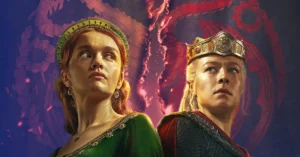
This narrower focus lets the show dig deeper into character relationships. The tension between Rhaenyra Targaryen and Alicent Hightower is not just political—it is deeply personal. They were childhood friends who became rivals when Alicent married Rhaenyra’s father, King Viserys. That betrayal fuels years of conflict. The show spends time showing how their friendship broke apart, making every confrontation between them more painful to watch.
Former HBO content chief Casey Bloys explained the choice: “I liked the idea of focusing on one family, and obviously the Targaryens have a lot of drama to go around.” That decision gives the show a concentrated emotional weight that Game of Thrones could not always achieve with its scattered narrative.
Dragons as Everyday Reality, Not a Miracle
In Game of Thrones, dragons were a legend returned to the world. When Daenerys’s three dragons hatched, it felt like magic coming back after centuries. The show built up to those moments, treating dragons as special and rare. House of the Dragon takes a different approach. Set nearly 200 years earlier, dragons are everywhere. The Targaryens ride them, train them, and use them as political tools.
There are at least 17 dragons in the show, each with its own personality and look. Some have beards like tropical lizards. The Dragonpit in King’s Landing serves as a stable for these creatures, with dragon keepers caring for them like prized animals. This change shifts how viewers see dragons. They are not miracles—they are weapons, status symbols, and family members all at once.
Co-showrunner Ryan Condal explained: “The biggest difference about this series is the fact that dragons exist in this [era], whereas they were an extinct species that came back to life in the original show.” This setting makes the Targaryen civil war especially brutal, because both sides have air power, and the destruction is immediate and devastating.
A Different Visual Language
The look of House of the Dragon also sets it apart. King’s Landing feels less developed, which makes sense given the time period. VFX supervisor Mike Bell explained that the city was built as a full CGI model rather than using digital matte paintings like Game of Thrones did. This allowed the team to place cameras anywhere and create shots that would not have been possible before.
Bell described the differences: “King’s Landing itself was less built up and not quite as big. The buildings should not be quite so high. Initially, it was no more than two stories—maybe on some occasions, three stories high.” The city also looks dirtier and dustier, with more market stalls and working-class neighborhoods visible. These small details make the world feel lived-in and real, even if it does not have the polished look of Game of Thrones’ later seasons.
The production also used LED video walls for dragon riding scenes, a technology Game of Thrones did not have. Instead of sitting on a mechanical rig in front of a greenscreen for hours, actors could see their surroundings in real time. Emma D’Arcy, who plays Rhaenyra, compared it to “going to an Ikea and trying all the kitchen taps”—a far better experience than what the original cast went through.
Handling Sensitive Topics With Care
Game of Thrones faced criticism for its portrayal of sexual violence. House of the Dragon took those concerns seriously. The showrunners made a conscious choice to handle such material differently. Sexual violence happens off-screen or is implied rather than shown directly. The focus instead goes to the dangers of childbirth, which is presented as a battlefield for women in this world.
Showrunner Miguel Sapochnik explained: “In medieval times, giving birth was violence. It’s as dangerous as it gets. You have a 50/50 chance of making it.” The show uses childbirth scenes to create tension and tragedy, showing how women in Westeros face life-threatening risks that men do not. This thematic shift gives the series a clear perspective on gender and power that feels more deliberate than what Game of Thrones offered.
HBO content chief Casey Bloys noted: “Shows are a product of their time, and there’s a lot more awareness now about what we’re portraying and why—and who’s having the conversations about it.” This awareness shaped how the show approached difficult subjects, making it feel more responsible without losing the brutal edge that fans expect from Westeros.
A Shakespearean Tragedy Instead of an Epic Adventure
George R.R. Martin himself described the difference best. In an interview, he called House of the Dragon “much more like a Shakespearean tragedy” compared to Game of Thrones. He explained: “It’s full of great characters who you can love or you can hate. And guys who seem to be really, sons of bitches and bad guys will do heroic things, characters who seem to be good will do awful things. Kind of like human beings.”
This moral complexity runs through every episode. Characters rarely fit into simple hero or villain categories. King Viserys tries to be a good man but makes terrible decisions that lead to war. Daemon Targaryen does awful things but shows moments of loyalty and love. Rhaenyra fights for her rightful claim but also makes choices that harm the people around her. This gray morality makes the tragedy hit harder because viewers understand why each character acts the way they do.
A Narrower World That Feels More Intimate
The smaller scope of House of the Dragon has trade-offs. Game of Thrones fans who enjoyed exploring different cultures—the Free Cities, Dorne, the lands beyond the Wall—will find less of that here. The show stays mostly in King’s Landing and Dragonstone, with brief visits to other locations like Storm’s End and the Vale. This limited geography can make the world feel smaller.
But that intimacy also allows the show to develop supporting characters more fully. Because the cast is smaller, viewers get to know the lords and ladies who surround the main family. The political maneuvering feels more detailed, and every character interaction carries weight. There is no filler—every scene pushes the story toward the inevitable civil war.
A Different Pace for a Different Story
Game of Thrones moved at a steady pace across its early seasons, following characters week to week. House of the Dragon takes a different approach with significant time jumps. The first season covers more than 20 years, with actors changing for Rhaenyra and Alicent midway through. This structure allows the show to show how childhood decisions echo through decades.
Ryan Condal defended this choice: “This is how you tell this story correctly. We’re telling a story of a generational war. We set everything up so by the time that first sword stroke falls, you understand all the players.” The time jumps can feel jarring at first, but they serve the larger narrative, showing how wounds fester over years and how alliances shift across generations.
A Respectful Departure
When House of the Dragon was first in development, it nearly got shelved. HBO was ready to cancel the project before George R.R. Martin stepped in to save it. Martin’s passion for this story convinced the network to move forward. That near-miss shaped the show’s creative direction. The team knew they had to prove themselves, and they did so by making something different rather than trying to repeat past success.
Co-showrunner Miguel Sapochnik explained the approach: “I think we were very respectful of what the original show is. It wasn’t broken so we’re not trying to reinvent the wheel. House of the Dragon has its own tone that will evolve and emerge over the course of the show.” That respect for the original paired with a clear vision for something new allowed the prequel to find its own voice.
Also Read:

Building a New Path Forward
The success of House of the Dragon proved that Westeros could survive without the characters fans fell in love with during Game of Thrones. The show pulled in strong ratings and positive reviews, showing that audiences wanted more stories from this world—as long as they felt fresh and purposeful. The series did not rely on nostalgia or cameos. It built its own identity from the ground up.
For future projects in the Game of Thrones universe, this approach offers a clear lesson. New stories need to stand on their own rather than leaning on the original’s success. The movie currently in development at Warner Bros faces the same challenge. To work, it must tell a new story that happens to be set in Westeros, not try to recreate what came before.
The quiet rebellion of House of the Dragon—choosing intimacy over scale, family drama over epic adventure, and careful planning over shock value—paid off. The show did not need to be Game of Thrones to succeed. It just needed to be itself.
Also Read: Doc Season 2 Episode 18 Cast: Meet the Actors Behind the Fox Medical Drama’s Latest Episode
Stay connected with VvipTimes for more updates on your favorite shows and the latest developments from the world of Westeros.