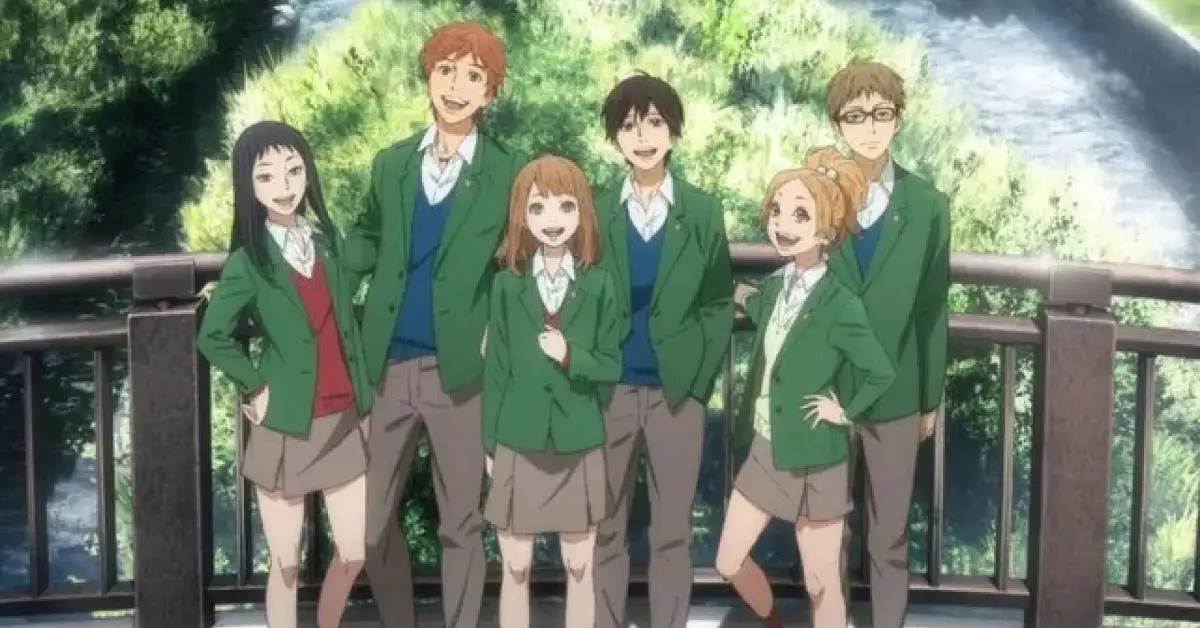
Orange, the 2016 anime series, uses a science fiction premise to explore deeply human problems like friendship, regret, and mental health. The story follows a high school girl who gets letters from her future self, asking her to prevent a tragedy. For viewers wondering if this series is for them, the answer depends entirely on what you want from a show. If you like fast-paced action or simple romance, you might find it slow. But if you want a character-driven story that tackles heavy themes with care, Orange could be a very meaningful watch.
The central plot begins when 16-year-old Naho Takamiya receives a strange letter on the first day of her second year of high school. The letter claims to be from her 26-year-old future self. It accurately predicts small details of her day, leading Naho to believe it might be real. The letter’s main warning is about a new transfer student, Kakeru Naruse. Naho’s future self tells her that her greatest regret will be losing Kakeru. The letters arrive with instructions, guiding Naho and her close-knit group of friends to make different choices in the hope of changing Kakeru’s future and preventing his death.
How the Time-Travel Works in Orange
The time-travel mechanic in Orange is unique. It is not about changing one single timeline. Instead, the story uses a concept similar to parallel worlds. The older versions of the characters exist in a future where Kakeru has already died. Their grief and regret are so powerful that they discover a way to send letters back through a “black hole,” creating a new, separate timeline where their younger selves might save him. This means the older characters cannot change their own painful past, but they can try to create a better future in another reality.
The show provides a brief scientific explanation for the letters, though some viewers and reviewers felt this explanation was vague or unnecessary. The core of the story is not the mechanics of time travel, but the emotional weight of it. The focus is on the characters’ struggle to understand the letters, trust their future selves, and deal with the pressure of knowing a friend’s fate.
The Real Heart of the Story: Friendship and Mental Health
While the premise involves time travel, Orange is truly a story about friendship and the quiet struggles of mental health. Kakeru moves to the town burdened by a deep guilt related to his mother’s death. He puts on a cheerful face but battles severe depression and suicidal thoughts in private. The series does not shy away from showing the reality of his pain, including a very intense scene where he attempts suicide.
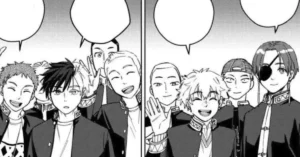
The group of friends—Naho, the protective Suwa, the nerdy Hagita, and their friends Azusa and Takako—become his lifeline. Their mission evolves from simply following the letters’ instructions to genuinely wanting to support Kakeru. The show highlights how difficult it can be to help someone who is suffering, portraying moments of awkwardness, misunderstanding, and helplessness that feel very real. A recurring theme is the fear of doing the wrong thing. At one point, Naho says she is scared to touch Kakeru because he seems so fragile, afraid she might break him. This honest portrayal of how to support a loved one with depression resonated strongly with many viewers.
What Fans and Critics Say About the Characters and Pacing
Fan reactions to Orange are deeply emotional. Many reviews describe sobbing through multiple episodes and feeling changed by the story. One viewer on IMDb wrote, “This is a show that everyone could benefit from watching”, praising its handling of friendship and mental health. Another called it a “masterpiece” that delivers a powerful rush of emotions.
However, the series has its critics. Some viewers find the main character, Naho, frustratingly passive or slow to act, which can create drama that feels repetitive. The pacing is often described as slow, focusing heavily on everyday slice-of-life moments between the bigger dramatic beats. One review pointed out scenes that don’t advance the plot, like a lengthy look at an ice cream machine, which can make the story feel unfocused.
The character who receives near-universal praise is Suwa, Naho’s friend. He is often hailed as the most selfless and admirable character in the series, making significant personal sacrifices to help both Naho and Kakeru. His role is so compelling that it inspired a separate manga series, Orange: Future, which retells the story from his perspective.
Evaluating the Animation and Music
The visual and audio presentation of Orange receives mixed feedback. The animation style has a soft, warm quality with vibrant colors that contrast with the serious themes, creating a nostalgic and sometimes comforting atmosphere. However, many reviewers note a significant drop in animation consistency partway through the series. Around episode nine, the quality declines, with characters appearing stiff or off-model. This suggests the production may have faced budget or time constraints later on.
The music is composed by Hiroaki Tsutsumi. The opening theme, “Hikari no Hahen” by Yu Takahashi, is upbeat and hopeful, while the ending theme, “Mirai” by Kobukuro, is more somber and melancholy. This duality mirrors the show’s tone. While some of the background music blends in and isn’t particularly memorable, the key emotional scenes are effectively supported by the score.
Also Read:




Who Should Watch Orange? A Final Breakdown
Deciding whether Orange is worth your time comes down to your preferences as a viewer.
You will likely appreciate Orange if:
- You enjoy emotional, character-driven dramas.
- You are looking for anime that tackles serious topics like depression and suicide with sincerity.
- You prefer stories about friendship and everyday life (slice-of-life) with a dramatic twist.
- You liked similar tear-jerking anime such as Anohana or Your Lie in April.
- You plan to binge-watch the 13 episodes, as the slower pacing is easier to handle in a few sittings.
You might want to skip Orange if:
- You need fast-paced action or a plot that constantly moves forward.
- You get frustrated with hesitant or indecisive main characters.
- You are looking for a straightforward romance; here, romance is more of a subplot to the themes of friendship and saving a life.
- You are sensitive to depictions of depression and suicidal ideation. The series handles these topics with care but can be emotionally intense.
The series is available for streaming on Crunchyroll. For those who finish the anime and want more, the story continues in the Orange: Future manga, which provides a deeper look at Suwa’s experiences.