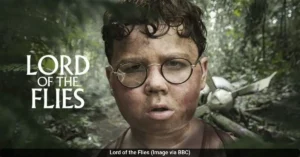
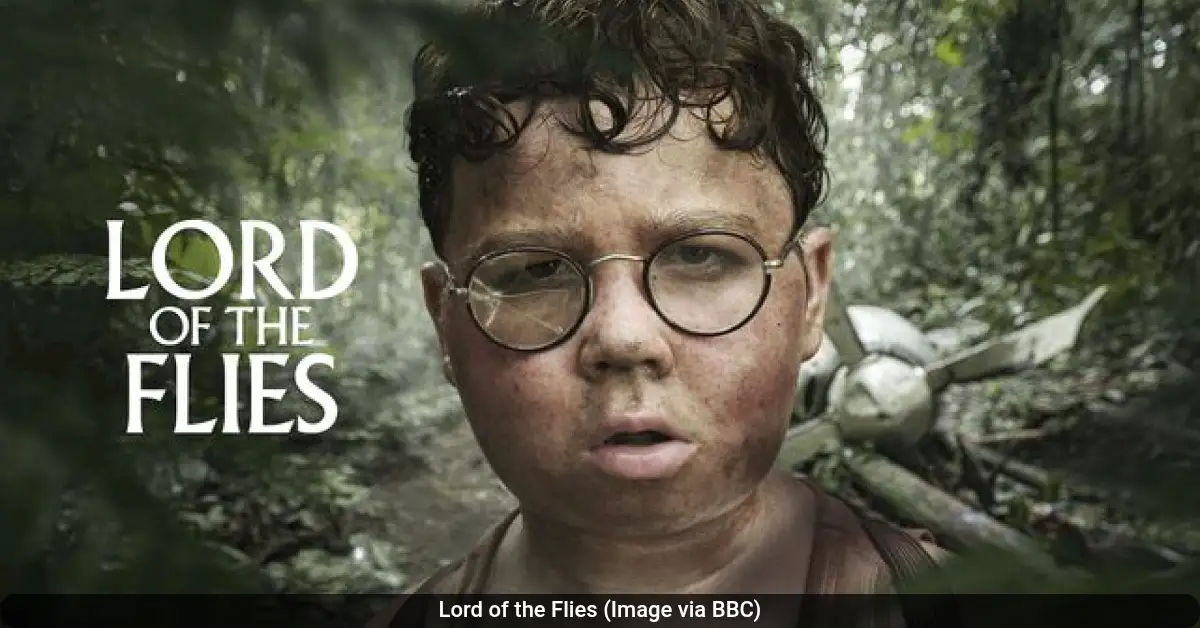
The new BBC adaptation of Lord of the Flies has arrived, bringing William Golding’s classic novel to television for the first time. The four-part series follows a group of schoolboys stranded on a tropical island after a plane crash. To make the show feel real, the production team traveled to some very remote places. Instead of using studio sets, they chose real jungles, beaches, and mountains to tell this survival story.
The series debuted on BBC iPlayer on February 8, 2026, with the first episode airing on BBC One at 9pm that same night. The show is also available on Stan in Australia and will stream on Netflix starting May 4, 2026 for global audiences.
The Main Filming Location Was Malaysia’s Langkawi Archipelago
The team picked Langkawi, a group of islands in Malaysia, as the main place to shoot Lord of the Flies. They looked at other countries like Australia and Mauritius but chose Langkawi because it had everything they needed. The location had mountains in the background that looked big enough to be real but small enough that viewers could believe young boys could climb them.
Executive producer Joel Wilson said they spent about six months visiting different tropical beaches around the world. They wanted a beach that was not too affected by tides so filming could happen smoothly. They also needed dense rainforest and areas that looked untouched by humans.
The crew filmed on beaches named Cawi and Palm Point, which became the main spots where the two groups of boys set up their camps. They also shot in mangroves, which no film crew had used before because the area has thick mud and big tree roots sticking out. One beach was even called Dead Tree Beach by the team, where they filmed a key scene in episode two.
Wilson explained that they chose the hardest locations on purpose. He said he loved the show Lost but noticed that the actors on that show were often standing in a parking lot in Hawaii with their backs to the camera. He wanted the opposite for Lord of the Flies. The team walked through the jungle for up to an hour just to reach their shooting spots.
“We were trekking into the jungles for an hour at a time, and David was often carried or pushed in his chariot, or in particularly difficult terrain. So we were shooting in very inaccessible, inhospitable places.” – Joel Wilson, Executive Producer
The Cast Faced Real Survival Conditions During Filming
The young actors, aged between five and 12, spent several months away from their families in Malaysia. More than 7,000 boys applied to an open casting call run by Nina Gold, and only 30 were chosen. For many of them, this was their first acting job.
The weather made things very hard. Director Marc Munden said everyone was wet every single day. Sometimes it was from sweat because of the extreme humidity. Other times it was from sudden heavy rain or from being in the ocean. The heat was so strong that the team had to bring many umbrellas and bottles of sunscreen to protect the young cast.
The production team first thought the boys should not have air conditioning in their tents so they could get used to the local climate. But they quickly changed their minds. They brought in air conditioning units and had very few cases of sunburn after that.
Munden described the filming process as chaotic but in a good way. The crew only had six hours each day to film with the child actors. After the first few days, they had extra time on their hands. So they started filming coconuts, birds, crabs, and the ocean. They called this coconut time, and it became a daily activity that added natural beauty to the show.
UK Locations Were Used for Flashback Scenes
Not all of Lord of the Flies was shot in Malaysia. The production team also filmed in several places across England to show the boys’ lives before the plane crash.
Duxford Airfield, which is part of the Imperial War Museum, was used for scenes where the boys said goodbye to their families. The plane crash sequence was also filmed there using a real aircraft.
St Albans Cathedral served as the location for flashback scenes showing Simon as a choirboy. The team paid close attention to getting details right. They contacted Bishop Wordsworth’s School, where author William Golding taught between 1940 and 1961. The school gave them permission to use the correct crest from that time period so the uniforms looked accurate.
Windsor Great Park was another important filming spot. It was used for a flashback scene in episode four where Ralph remembers going hunting with his father. This location has also been used for other big productions like Lord of the Rings: The Rings of Power and the upcoming Avengers: Doomsday.
The Boys Had Real Adventures Between Takes
While filming was hard work, the young cast also had the time of their lives. When they were not on camera or studying with their tutors, they spent their free time swimming in the ocean and the hotel pool. They went fishing, explored local waterfalls, played pool, and even put on their own talent show.
Fred Jones, who was six years old during filming, had a memorable run-in with local wildlife. He said a monkey broke into the hotel restaurant, climbed down a pole, and stole his croissant and omelette. Fred, who loves animals, also enjoyed spotting scorpions, snakes, monitor lizards, eagles, and flying lemurs.
Beau Thompson, who played Philip, said finding out he had been cast was mind blowing. He also had a banana stolen by a monkey. Off set, he learned how to swim and dive. During one scene, the crew used rain sprinklers, and the boys had to run through them. They did the same scene five times because they were having so much fun.
Rafael de Belligny said that getting dressed up every day and spending months in the tropics with 30 friends was so much fun. He described it as a once in a lifetime experience. His favorite memory was jumping in the pool with the other boys after filming ended each day.
The director said the boys learned a lot by watching each other act. They understood that the character came from what they were doing, not just from saying lines perfectly. This natural approach made the final episodes feel more real and honest.
The Music Was Created by Top Composers
The sound of Lord of the Flies comes from some very well known names. Hans Zimmer, who made music for Dune and The Lion King, created the main theme along with Kara Talve from Bleeding Fingers Music. The rest of the score was made by Cristobal Tapia de Veer, who worked on The White Lotus.
This team of composers brought together different styles to match the show’s mix of beauty and fear. The music shifts from calm and peaceful to dark and tense as the boys move from hope to tragedy.
Also Read:



How to Watch Lord of the Flies
All four episodes of Lord of the Flies are now available to stream on BBC iPlayer in the UK. The show continues to air weekly on BBC One every Sunday at 9pm. Viewers in Australia can watch on Stan. For the rest of the world, the series will be available on Netflix starting May 4, 2026.
The cast includes Winston Sawyers as Ralph, Lox Pratt as Jack, David McKenna as Piggy, Ike Talbut as Simon, Thomas Connor as Roger, and twins Noah and Cassius Flemyng as Sam and Eric.
Also Read: The Audacity Rotten Tomatoes Score: AMC’s New Tech Satire Kicks Off With A ‘Fresh’ 73% Rating
For more updates on the latest TV series and exclusive behind the scenes stories, keep following VvipTimes.