
The popular series Maxton Hall – The World Between Us is a top show on Prime Video, but its content is more mature than a typical teen drama. While set in a prestigious boarding school, the series has official content ratings and advisories that signal it’s meant for older viewers. Amazon rates the first season as appropriate for ages 14 and older, while the second season carries a stricter 16+ rating.
Parents deciding if the show is right for their teens need clear information about what they will see and hear. This guide details the specific mature content, from romance scenes to substance use, based on the show’s official advisories and detailed reviews.
Official Content Advisories and Age Ratings
Amazon Prime Video provides specific content advisories for Maxton Hall. These warnings are displayed before episodes and on the show’s main page. For both seasons, the platform lists content notices for nudity, substance use, alcohol use, foul language, and sexual content.
The first season is generally considered suitable for viewers aged 14 and up. However, the maturity level increases with the second season. Amazon Prime Video has assigned Season 2 a “16+” maturity rating. This higher rating reflects the more intense themes and scenes present at the start of the new season. A key factor in this rating is that the second season begins with an intimate scene. The official advisories are the most direct signal from the streaming service about the show’s intended audience.
Romance and Intimate Scenes
The romantic elements of Maxton Hall go beyond typical teen drama flirting. The series includes passionate kissing and scenes that suggest sexual activity between characters. While not always explicit, these moments are more intense than in shows meant for younger teens.
Several episodes feature scenes with partial nudity. Viewers can expect to see shirtless male characters and brief glimpses of male backside nudity. In one later episode, a female character’s breasts are shown. One intimate scene in the second season shows a male character moving down a female character’s body, though the scene stops quickly and she remains in her undergarments. Another longer scene shows characters in bed together with sighing, kissing, and touching.
The show balances teen drama with moments of more mature content, but nothing is overly graphic or extreme.
Other mature romantic subplots include a young teacher kissing a student and same-sex couples kissing. The show also features seductive dancing and characters in states of undress.
Portrayal of Substance Use
Alcohol and drug use are presented as a regular part of the characters’ social lives. Party scenes frequently show older teens drinking champagne and hard alcohol. The show is set in a country where the legal drinking age is 16, which contextualizes but doesn’t lessen the frequency of these scenes.
Drug use is also depicted. In the second season, a main character is seen taking pills as a way to cope with grief. Another scene shows a character snorting drugs. These moments are not glorified but are presented as part of the character’s struggle and environment. For some characters, substance use is shown as a coping mechanism to escape family pressure and personal pain.
Language and Other Mature Themes
The dialogue in Maxton Hall includes moderately frequent strong language. Commonly used words include “f–k,” “s–t,” “damn,” “bitch,” “ass,” and “hell”. The language fits the emotional intensity of the scenes and the age of the characters but is a factor for parents to consider.
The series explores several heavy themes alongside its central romance. These include:
- Class Differences: The core conflict between the wealthy students and scholarship student Ruby Bell.
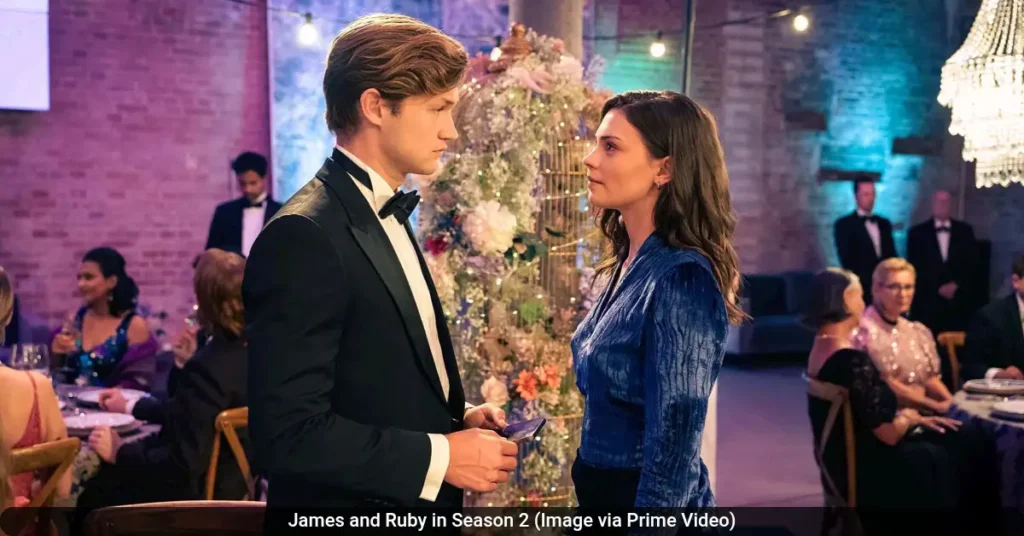
- Family Pressure and Abuse: James Beaufort deals with a difficult and at times abusive relationship with his father.
- Grief and Loss: Characters cope with the death of a parent.
- Bullying: Ruby faces significant bullying from her wealthy peers.
- Responsibility and Identity: Teens grapple with family expectations and their own desires.
The show also includes some mild violence, such as fistfights and physical contact during sports games. Visually, some episodes contain flashing or strobe-light effects that could affect sensitive viewers.
Also Read:






Comparing the Show to the Original Books
Maxton Hall is based on the Save Me novel series by German author Mona Kasten. Readers of the books note that the source material tackles dark themes even more directly. Book reviews frequently list content warnings for adult/minor relationships, bullying, emotional abuse, sexual content, and drug use.
A key difference is how the lead character, James Beaufort, is portrayed. In the books, he more clearly uses “sex, drugs, and alcohol as a way to escape his reality” from a dysfunctional family. While the show adapts this storyline, some readers feel the television version is slightly less intense. However, the central mature themes of class conflict, family pressure, and complex relationships are present in both formats.