

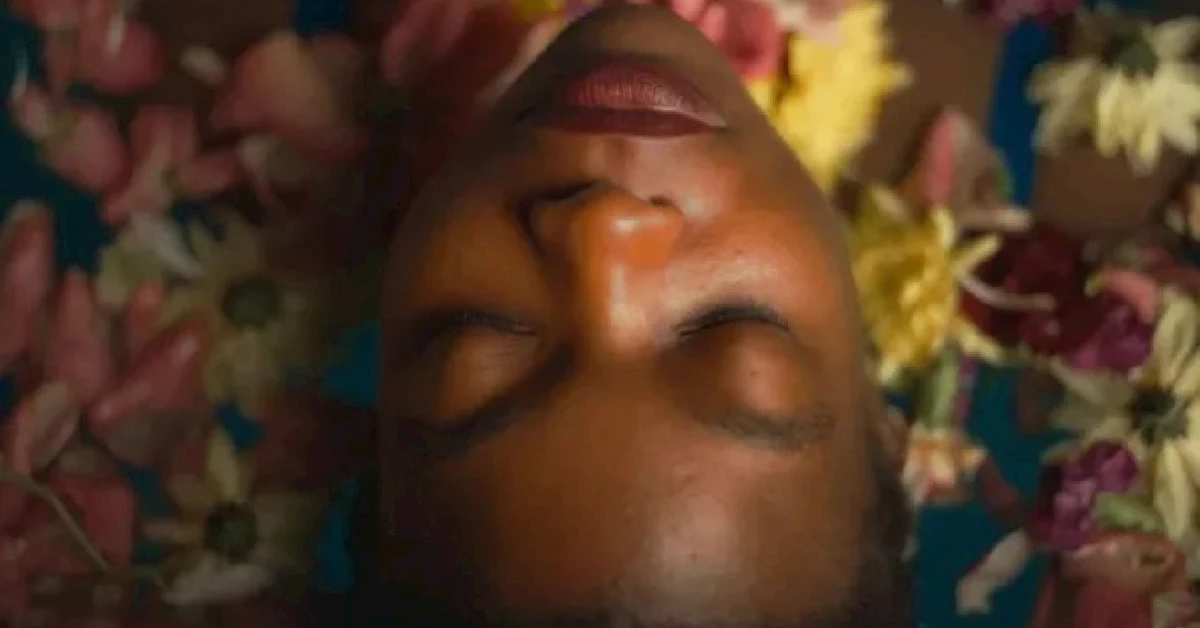
Tanzanian filmmaker Neema Ngelime is making her first feature documentary called ‘The Ones With the Tempered Flowers’ . The movie looks at what it means to be a woman in Tanzania and how society puts pressure on women’s bodies. The project recently got attention at the Locarno Film Festival in Switzerland, where it won two awards.
The documentary is about a woman named Neema who starts asking hard questions about her own body after a doctor gives her some unexpected news. It is a personal story that also looks at bigger issues like womanhood, motherhood, and what families expect from women. The movie mixes real life with performances and memories to tell this story.
What ‘The Ones With the Tempered Flowers’ Is About
For Neema, being a woman always meant following a set path: go to school, get married, and have babies. But when a doctor tells her that having children might be difficult, she starts to feel confused and hurt. Those expectations from family and society begin to wound her deeply.
Neema grew up in a home where different religions were practiced. Her identity was shaped by questions about what is forbidden in Islam and what would make Jesus happy. As a young girl, she worried about which hell she would end up in. The older women in her family felt like mysteries to her. Their lives seemed to predict what her own life would become.
To deal with these feelings, Neema and her sister try to rewrite their life scripts using tarot cards. Her father once told her that anything is possible. But now he reminds her of what she is supposed to do with her life. She starts staging performances with her family, reenacting small pieces of their lives. They think these are just make-believe stories. But for Neema, they are memories that hold hidden truths.
The documentary follows a woman studying how her body relates to herself, to society, and to the political weight placed on women’s bodies in Tanzania. It challenges the idea that duty is always the same as love.
The Director’s Personal Connection to the Story
Neema Ngelime is not just making a movie about someone else. She is making a movie about her own life. She was diagnosed with fibroids, a condition that affects the uterus. In her culture, people often blame this condition on “unused” womanhood. This diagnosis made her fear that she would become a mystery too, lost under the weight of what people expect from her.
Growing up felt like watching the women I loved fade into mysteries. Now, with fibroids, a condition society pins on “unused” womanhood, I fear becoming a mystery too, lost to the weight of expectations.
Ngelime says the women in her life shaped her deeply, but she never really knew who they were before they became mothers or wives. This lack of knowledge fills her with grief. Through this film, she channels that grief. She looks inward and centers herself and her family to think about her past and imagine her future.
Her inspiration to make this documentary came from anger. She was angry at how little interest there is in understanding women’s bodies. The film relies on metaphor to show how ridiculous it is that womanhood is so confined and limited.
The Film’s Journey at Locarno Open Doors
‘The Ones With the Tempered Flowers’ was one of six projects chosen for the Open Doors Projects programme at the Locarno Film Festival in Switzerland. Open Doors is a programme that helps filmmakers from places where it is hard to make movies. It provides training, mentorship, and chances to meet industry professionals.
The programme is currently in the second year of a four-year cycle that supports filmmakers from 42 African countries. The selected projects took part in workshops and events from August 5 to August 10 during the 79th Locarno Film Festival.
The documentary is a co-production between Tanzania and Kenya. It is produced by Ivy Kiru of AQ Pictures. Kiru is a Kenyan producer who has worked on several projects in the region.
At the end of the Open Doors programme, the project won two major awards: the Sørfond Award and the ARTEKino International Award. These awards come with financial support and help to get the film finished.
What Makes This Documentary Different
The film is described as an experimental documentary. This means it does not follow the usual rules of documentary filmmaking. It mixes different styles and techniques to tell its story.
Ngelime has described the project as essayistic and participatory. This means she is not just observing from the outside. She is part of the story. She participates in what is happening on screen. The film also uses performances with her family, where they reenact fragments of their lives.
The movie has a running time of 61 minutes. It is being produced in Swahili, which is the original language of the film. The production started in 2024 and is currently still in development.
Ngelime has previously made several short films. These include ‘A Country In A Corner’ , ‘Hooyo’ , ‘Why Here’ , and ‘An Ode to A Time I Loved Bread’ . These earlier works helped her develop the skills and vision needed for her first feature documentary.
The Bigger Picture: East African Storytelling on the Global Stage
The selection of ‘The Ones With the Tempered Flowers’ for Locarno Open Doors is part of a larger trend. East African filmmakers are getting more recognition on the international stage. The region’s stories are reaching audiences around the world.
Other projects selected alongside Ngelime’s film include a documentary about Ghanaian musician Kiki Gyan, a love story from Mozambique, and a social satire from Nigeria. This shows the variety and depth of storytelling coming out of Africa right now.
Neema Ngelime has spoken about why it is important to support filmmaking in Africa. She says cinema is communal. It gives people space to think about their experiences, talk to each other, and engage with their own lives. Her film is a personal story, but it also speaks to larger issues that affect many women in Tanzania and beyond.
At the Berlinale film festival earlier in 2026, Ngelime pointed to the lack of representation of women in cinema. She said there is a rich history in Tanzania that deserves to be documented through film. Her documentary is a step toward filling that gap.
You May Also Like:









What We Know About the Production So Far
The documentary is still in production. The exact release date has not been announced yet. No trailers, posters, or behind-the-scenes videos have been released to the public.
The film is being made with support from various programmes and grants. The Open Doors programme provides funding and mentorship. The Sørfond Award and ARTEKino International Award also come with financial support.
The production company for the film is still to be determined. This is common for projects that are still in development. The filmmaker and producer are likely working on securing additional funding and partnerships to complete the movie.
The film’s original title is ‘Wale Wenye Maua Yenye Hasira’ , which is in Swahili. The English title is ‘The Ones With the Tempered Flowers’. The title itself has a poetic quality, which matches the artistic and metaphorical approach of the documentary.
The documentary is an important project that brings attention to women’s experiences in Tanzania. Neema Ngelime is using her own life story to start a conversation about bodies, expectations, and freedom. The film has already received recognition from major film festivals, which shows that her story resonates with people around the world.
As the production continues, audiences will be waiting to see how this personal and powerful documentary comes together. The movie has the potential to change how people think about womanhood, motherhood, and the pressure that society puts on women’s bodies.
Also Read: Linkin Park: Unshatter Documentary Gets September Release Date, Trailer Drops
For more entertainment news and updates from the world of film and documentaries, keep visiting VvipTimes for the latest stories on groundbreaking projects and the filmmakers behind them.


Leave a Reply