

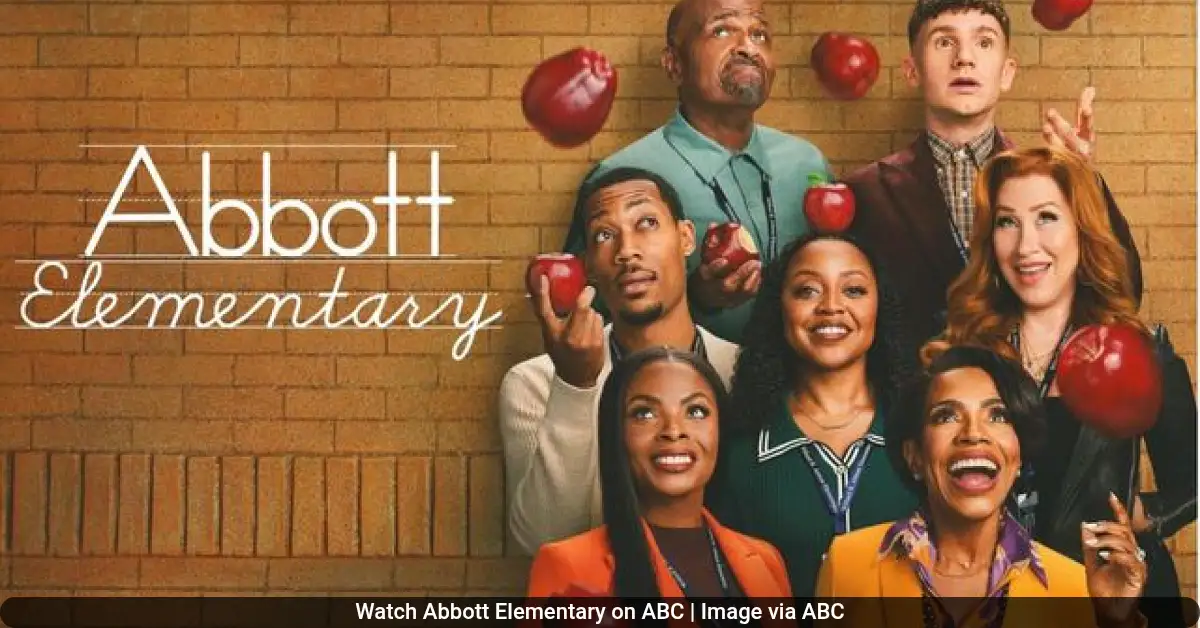
Janelle James recently shared why the hit comedy ‘Abbott Elementary’ could not find its young cast through traditional Hollywood channels, pointing to a deeper industry issue. The actress, who plays Principal Ava Coleman, explained that the show’s creators had to actively search for children to play the students at the fictional Philadelphia school. The challenge was not a lack of talent, but a lack of access and representation for dark-skinned Black children within the professional acting world.
The Search for Authentic Young Talent
For a show set in a predominantly Black elementary school in Philadelphia, finding young actors who could realistically represent that environment was a top priority. According to Janelle James, the team discovered that there are not many dark-skinned Black children in Los Angeles who are represented by talent agents. This forced the casting director, Wendy O’Brien, and creator Quinta Brunson to look beyond the usual pools of professional child actors.
The search for authenticity was key. Brunson, whose mother taught kindergarten for forty years, was specific about needing children who could genuinely mirror the real community of a Philadelphia public school. The show’s mockumentary style also required natural and subtle performances, which the team believed inexperienced children could provide more honestly than those trained for bigger, more polished TV comedies.
“If I remember, in our early seasons, they had to go find kids,” James said on Vulture’s Good One podcast. “There aren’t a lot of dark-skinned Black kids in LA who are in acting.”
The Systemic Barriers in Child Acting
James connected the casting difficulty to broader socioeconomic factors that make it challenging for many Black families to break into the industry. She explained that acting for children is a very expensive endeavor, requiring a significant investment of time and resources that can be a barrier for many.
A parent must have the flexibility and free time to take their child to numerous auditions and acting jobs, often without any guarantee of work. This demanding and costly process inherently limits the pool of available talent, making it difficult for shows like Abbott Elementary to find representation that matches real-world communities.
“Acting, especially as a kid, is a very expensive thing. You have to have a parent that is free to take you around and do auditions and stuff. And that doesn’t really exist in the Black community,” James explained.
Learning and Growing Together on Set
Because the show sought out children who were not professional actors, many of the young cast members were experiencing a television set for the first time. James described the environment as a collaborative learning process, with the veteran cast and crew guiding the newcomers.
Over the show’s five seasons, these children have grown up on screen, transforming from inexperienced kids into skilled professionals. James expressed pride in witnessing this development, noting that the show provided a unique and invaluable training ground for young talent. The initial casting challenges ultimately fostered a supportive atmosphere that benefited the entire production.
“A lot of them aren’t professional actors. Now they are, because a lot of them have grown up with the show… I mean, we were learning together, is how I felt,” James shared.
Also Read:




A Show’s Continued Success
Despite early hurdles, Abbott Elementary has become a major success for ABC. The series is currently airing its fifth season, which premiered on October 1, 2025. The show has been nominated for 30 Emmy Awards and has won four, including Outstanding Lead Actress for Quinta Brunson.
James has praised the show’s resilience, highlighting its ability to continue production through various industry challenges, including the pandemic and Hollywood strikes. The show’s ability to find and develop new talent, both in front of and behind the camera, has been a key part of its enduring appeal and quality.
Also Read: Three Hit TV Shows Explore Second Chances Later in Life
Credits: imdb

