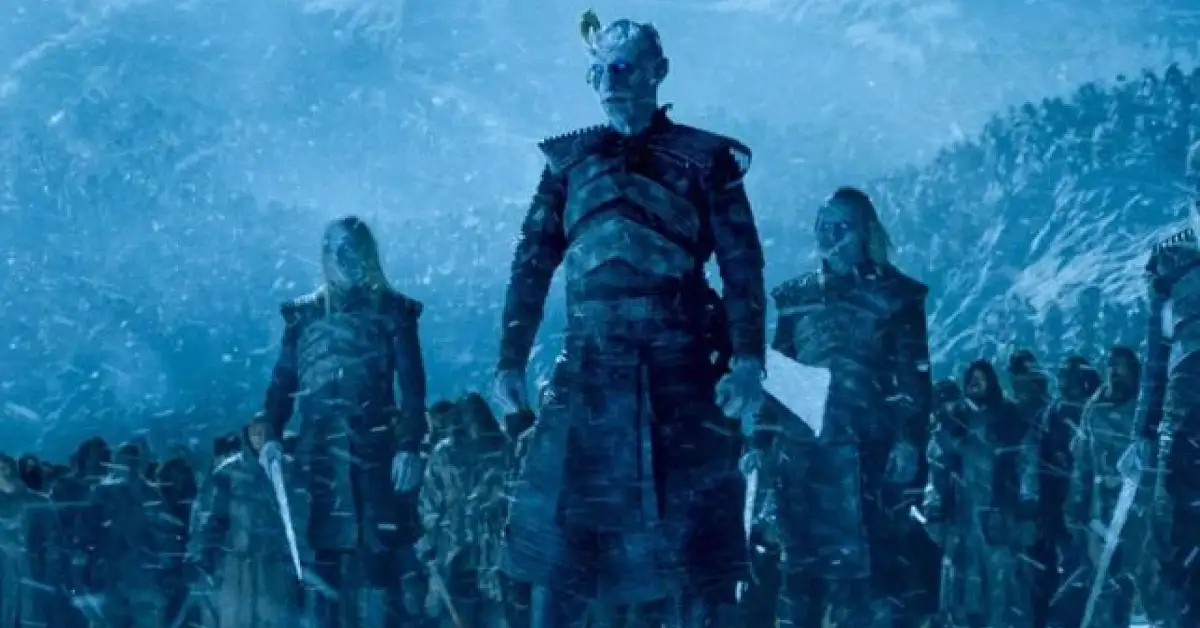
The first season of A Knight of the Seven Kingdoms has come to an end, and while the show focused on hedge knights and tournaments, it quietly gave fans a key piece of White Walker lore that was never directly addressed in the original Game of Thrones series. The detail comes in the form of a simple curse uttered by a frustrated lord, but for those who know the deeper history of George R.R. Martin’s world, it carries significant weight.
The finale, which aired recently, is packed with connections to the larger Game of Thrones universe. Viewers got mentions of Tarth, the future home of Brienne of Tarth, and saw the origins of the split between the red-apple and green-apple Fossoways . But one line, shouted by Lord Lyonel Baratheon, has become a major talking point among fans who pay close attention to the books.
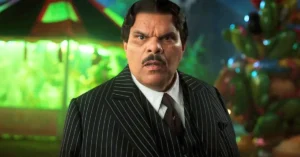
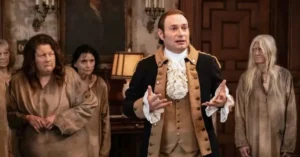
Instead of using the common Westerosi curse “Seven hells,” an irritated Lyonel Baratheon was heard exclaiming, “Others f***ing geld me” . For the millions who only watched *Game of Thrones*, this line might have sounded like just another colorful swear. However, for readers of Martin’s *A Song of Ice and Fire* novels, it was a direct reminder of the true name for the icy villains the show always called *White Walkers*.
The Real Name: Why “The Others” Matters
In George R.R. Martin’s books, the terrifying creatures from the frozen North are never referred to as “White Walkers” by the people of Westeros. They are called the Others . The term “White Walker” is used occasionally by the wildlings, but it was the HBO series that made it the primary name to avoid confusion with a similarly named faction in the TV show Lost .
By having a character in A Knight of the Seven Kingdoms use “Others” as a curse, the new spin-off is staying truer to the book language. It subtly reminds the audience that in this time period, people still remember the Others as a concept, even if they believe they are just myths. The curse “Others take you” or variations of it are common in the books, showing how the legend of these beings has been woven into everyday language, even a century before the main events of Game of Thrones .
A Time When No One Believes in the White Walkers
The use of this specific curse is not just a fun nod for book readers. It actually highlights a key part of the world’s history that the original show only talked about. A Knight of the Seven Kingdoms is set about 100 years before the birth of Daenerys Targaryen and roughly 90 years before the main Game of Thrones story begins .
At this point in the timeline, the White Walkers (or Others) have not been seen for thousands of years. They are considered fairy tales, stories used to scare children, much like giants or ghosts . Lyonel Baratheon is not worried about an actual invasion of ice creatures. He is just using their name as a swear word, the same way people today might say “damn” without thinking about the literal meaning.
This is very different from the original show, where the Night King and his army were a very real and present danger. The original Game of Thrones spent its later seasons building up to the Great War, showing the White Walkers marching on the Wall and eventually attacking Winterfell. The creatures were a physical threat. In A Knight of the Seven Kingdoms, they are just a memory, a piece of folklore that has been reduced to a profanity .
George R.R. Martin’s Original Vision
This small detail also connects back to what author George R.R. Martin has said about the new series. He previously warned fans that this show would be different. There would be “no dragons this time around, no huge battles, no white walkers” . He described it as a “character piece” focused on duty, honor, and chivalry.
By including the “Others” reference, the show acknowledges the larger, darker world without bringing the monsters on screen. It fits perfectly with Martin’s description of a “softer” and “more humorous” story . The threat is not a physical army of the dead, but the potential for dishonor or failure at a tournament.
Fans have reacted positively to this grounded approach. One popular reaction on social media summed up the feeling of many: “No dragons in A Knight of the Seven Kingdoms. No white walkers. No massive battles for the throne. Just a young hedge knight trying to prove his worth at a tournament. Sometimes the smallest stories hit the hardest” . The show has been praised for its “lighter tone” and “actual humour,” a change of pace from the often dark and miserable atmosphere of the later Game of Thrones seasons .
Also Read:



Connecting the Dots to the Future
For viewers who have followed the entire franchise, this curse is a clever way to bridge the gap between the two eras. The people in Ser Duncan the Tall‘s time casually swear by the Others, never imagining they will one day return. Meanwhile, the audience knows that in a few generations, these myths will become a terrifying reality.
It also subtly sets up the ignorance of the southern lords. Lyonel Baratheon uses the term without a second thought, showing that even the noble houses have forgotten the true horror the name represents. This ignorance is a major theme in Game of Thrones, where characters south of the Neck consistently refuse to believe reports of White Walkers, even when confronted with proof.
A Knight of the Seven Kingdoms is available to stream on HBO Max and Max in the USA. For viewers in the UK, the series airs on Sky Atlantic and is available on NOW. Fans in Canada can watch it on Crave, while those in Australia can find it on Binge and Foxtel. In India, the show is available on JioCinema.
The series has already been renewed for a second season, continuing the journey of Dunk and Egg as they travel through Westeros . While the first season adapted the first novella, The Hedge Knight, future seasons will likely explore more of their adventures, and perhaps introduce even more subtle hints about the long-dormant threat in the North.
For more entertainment news and updates on all the latest series from the world of Westeros and beyond, keep visiting VvipTimes for reliable and comprehensive coverage.