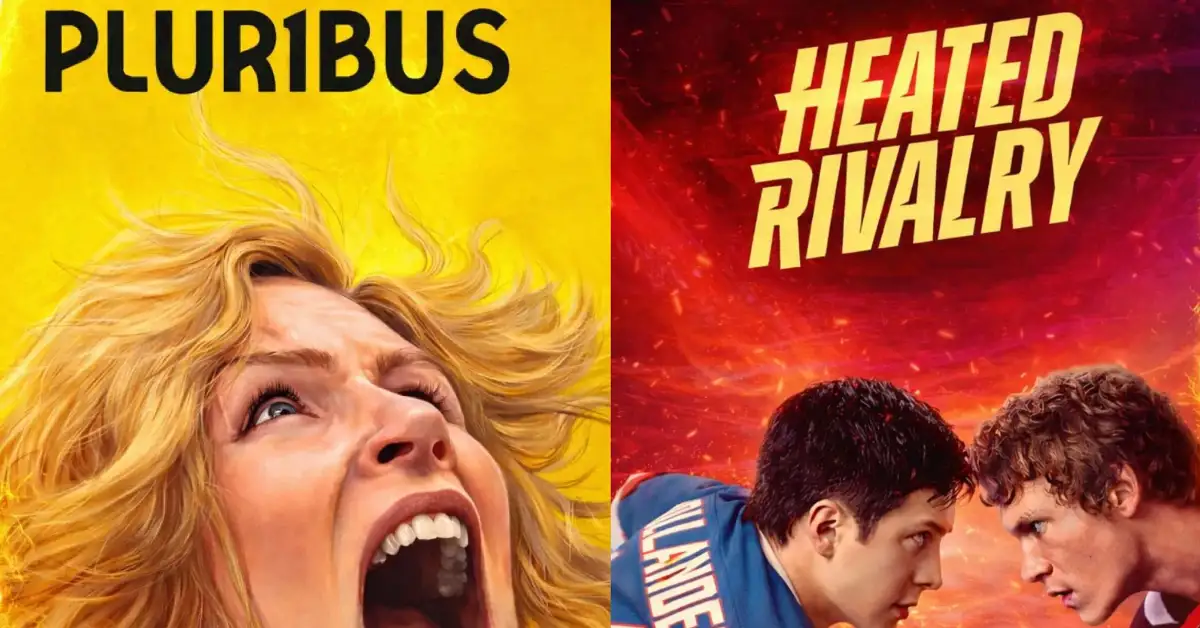
The huge success and instant renewal of the gay sports romance Heated Rivalry has sparked a major conversation. Fans and critics are asking why shows about men loving men often get faster renewals and bigger marketing pushes, while stories about women loving women frequently struggle to survive past one season.
This pattern shows a clear split in how the television industry supports different queer stories. While the number of LGBTQ+ characters on screen is growing, the security of those stories is not equal.
The Clear Path to Success for MLM Stories
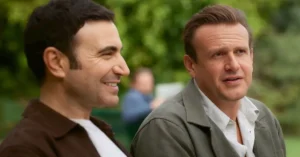
Heated Rivalry, which airs on Crave in Canada and HBO Max in the U.S., became a breakout hit in 2025. The show follows two closeted professional hockey players, Shane Hollander and Ilya Rozanov, who are rivals on the ice but secret lovers off it. The series was praised for its heart and the clear chemistry between its leads.
Industry experts note the show was set up to succeed from the start. It blends romance, sex appeal, and a high-stakes sports setting into a story that feels familiar and accessible, even to viewers outside the queer community. This accessibility is key. The show uses popular storytelling tropes—like the forbidden romance between rivals—that are already proven to work in mainstream entertainment. It simply changes the genders of the couple.
The industry is not just choosing queer stories, it is choosing the version of queerness that travels best.
This strategy works. Heated Rivalry was renewed early, promoted heavily, and celebrated as a success story almost immediately. It fits a pattern seen with other popular MLM shows like Heartstopper and Interview with the Vampire, which also receive strong institutional support from networks and streamers.
The Precarious Existence of WLW Narratives
In contrast, television shows centered on WLW relationships often exist in a much more fragile space. While they are being made, their journey is different.
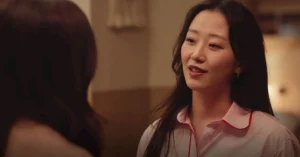
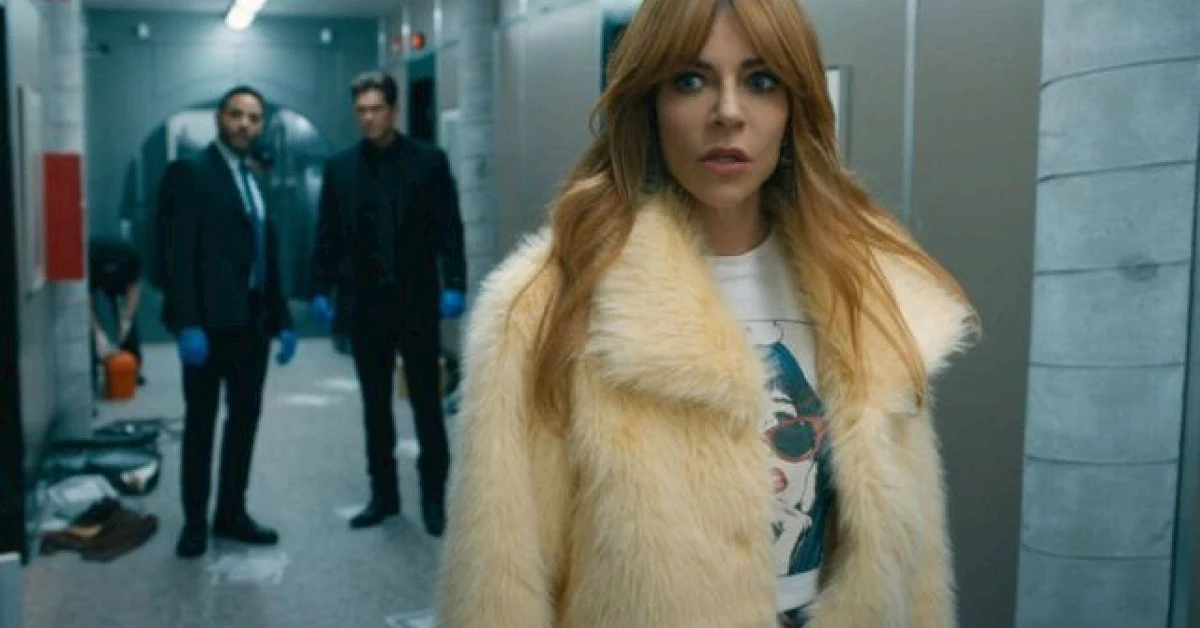
2025 saw the release of several acclaimed WLW shows. The Hunting Wives on Netflix is a steamy thriller about a woman drawn into a dangerous group of wealthy wives. Pluribus on Apple TV+ features a jaded lesbian author as one of the last people on Earth. Wayward, a Netflix limited series created by and starring Mae Martin, is a twisty thriller set in a mysterious town.
Despite strong storytelling, these shows often arrive with less fanfare. They are frequently marketed as niche or limited series, and their long-term survival feels uncertain from the beginning. Their queerness can be treated as a complication instead of a central selling point.
The recent track record for WLW-led shows is filled with cancellations. Series like Warrior Nun, First Kill, I Am Not Okay With This, and The Wilds were all ended after just a season or two, despite having dedicated fan bases. This creates a cycle where audiences become hesitant to invest deeply in a story that might suddenly disappear.
Why This Split Happens
The difference in treatment often comes down to how studios view audience size and risk. MLM stories like Heated Rivalry are often seen as having broader crossover appeal. They attract queer male viewers, but also large numbers of queer women and straight women. This wider perceived audience makes them a safer financial bet.
WLW stories, however, are often judged to have a smaller, more specific core audience. Even when viewership is strong, there can be a belief among executives that queer women alone are not a large enough audience to sustain a show. This becomes a self-fulfilling prophecy: if a show isn’t given time to find its audience or is canceled quickly, it can’t prove its potential.
At its core, this is also about whose desires are centered on screen. MLM romance can comfortably fit into frameworks that are already popular in mainstream media and fan culture. WLW stories, which focus entirely on women’s desire for each other, can be seen as more culturally disruptive because they remove men from the romantic equation altogether.
Also Read:
A Look at the Current Landscape
The latest data shows the challenges for all queer TV. A recent GLAAD report found that 41% of LGBTQ+ characters from the past year will not return for 2026 due to series endings or cancellations. The overall number of LGBTQ+ characters on television is declining across broadcast, cable, and streaming.
This makes the fight for lasting representation even harder. Fans point to projects like the long-awaited adaptation of The Seven Husbands of Evelyn Hugo as an example. The project has huge demand but remains stuck in development, reflecting a hesitation to center a queer woman’s story on a blockbuster level.
The success of Heated Rivalry is a positive sign that queer stories can be mainstream hits. However, its smooth path highlights the uneven playing field. For many fans, true progress will mean WLW narratives are given the same level of trust, budget, and patience to grow and last.
Also Read: Fallout Season 2 Timeline Explained: No Time Jump, New Vegas Journey Begins