The TV adaptation of Rachel Reid’s popular sports romance novel has become a runaway hit, but not just for the expected reasons. While Heated Rivalry centers on the secret, passionate relationship between two rival hockey players, it has sparked wide discussion for how it also builds substantial, independent female characters around its central gay romance. The show’s success highlights a growing appetite for stories where women are more than just plot devices for male protagonists.
The series follows Shane Hollander and Ilya Rozanov, professional athletes whose fierce competition on the ice masks a deepening private relationship. However, characters like Yuna Hollander, Svetlana Vetrova, and Jackie Pike are integral to the narrative, offering their own perspectives and driving parts of the story forward. This approach has resonated with a massive audience, helping the show become the number one series on HBO Max and Crave’s most-watched original series ever.
Beyond the Central Romance: Female Characters With Agency
A common criticism of romance stories focused on male couples, particularly those created by and for women, is that female characters are often sidelined, stereotyped, or exist only to support the male leads. Heated Rivalry consciously works against this trend.
Yuna Hollander, Shane’s mother, is portrayed as a foundational source of his emotional strength and moral compass, not just a background parental figure. Svetlana Sergeevna Vetrova, a close friend of Ilya’s, is shown as a sophisticated, savvy confidante who helps him navigate personal and political pressures, particularly related to his life in Russia. Another key character, Jackie Pike, the wife of Shane’s best friend Hayden, is written with her own identity and agency outside of her marriage.
The show’s creator, Jacob Tierney, has discussed that part of the broad appeal, particularly to straight women viewers, may be the “safety” of watching a romance story from which women are somewhat removed, eliminating the potential for gender-based violence often seen in heterosexual storylines. However, the series goes further by ensuring the women who are present are fully realized.
Understanding the “Fujoshi” Fan Phenomenon
The show’s explosive popularity has been significantly driven by a demographic often referred to as “fujoshi.” This Japanese term, frequently shortened to “fujo,” describes female fans who enjoy content centered on romantic relationships between men.
The fervor of this fanbase is a major component of the show’s cultural moment. François Arnaud, who plays team captain Scott Hunter, recently joked about these fans at the 2026 Critics Choice Awards, noting, “My understanding is that they’re really young. Like, teenagers who should maybe not be watching the show!”. The actor admitted he is still learning about the term and its associated subculture.
This fan engagement is not without debate. Some argue that stories about gay men created primarily for a female audience risk fetishizing or misrepresenting the queer experience. Others, including some queer creators, see value in the broad support and visibility these stories generate. As one gay male author noted on social media, “MM romance owes a lot to female authors. It was, in no small part, built by women… Do every single one of these stories contribute to queer liberation, even so? Absolutely yes”.
A Cast and Crew Responding to Real-World Complexity
The actors and companies involved with Heated Rivalry are navigating the complexities of this modern fandom in real time. A recent controversy involved the audio erotica app Quinn, which cast leads Hudson Williams and Connor Storrie in a new fantasy romance audio series called Ember & Ice.
Promotion for that project included an interview where Williams discussed the show’s appeal to different groups of women. In a shortened version of the video posted online, Quinn edited out his specific mention of “trans women” from a list that included straight and queer women. After significant fan criticism, the app issued a public apology and donated $25,000 to Trans Lifeline.
“We made a mistake. We understand why this edit was offensive and exclusionary, and we sincerely apologize,” Quinn stated on social media.
This incident highlights the heightened awareness and expectations from a fanbase that is deeply invested in inclusive and thoughtful representation, both on and off screen.
The Show’s Place in a Booming Queer Entertainment Landscape
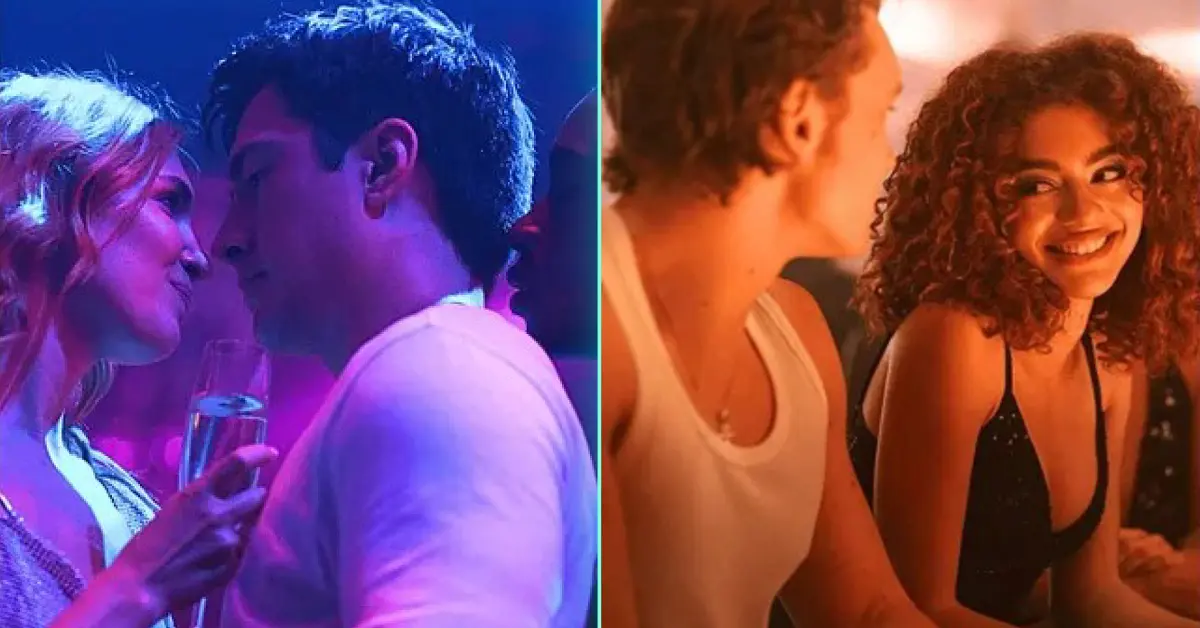
Heated Rivalry arrives during a significant wave of LGBTQ+ storytelling, though it stands out for its specific genre and approach. 2026 is set to see the return of major queer-inclusive series like Euphoria, Hacks, Interview with the Vampire, and Yellowjackets, alongside films such as Mother Mary and Forbidden Fruits.
What sets Heated Rivalry apart is its combination of a high-concept sports romance premise with its nuanced treatment of all its characters. By proving that a male-male romance can be the core of a story without reducing its female characters to stereotypes, the show has tapped into a powerful and often overlooked audience desire. It offers the fantasy and intensity of a forbidden love story while reflecting a more complete world where women exist with their own purpose and complexity.
The series was renewed for a second season in December 2025, shortly after its premiere. Its first season is currently available for streaming on Crave in Canada, HBO Max in the United States and Australia, Neon in New Zealand, and Movistar Plus+ in Spain.
Also Read: Adolescence Wins Big at 2026 Critics Choice Awards: Stephen Graham Calls it “A Unique Experience”