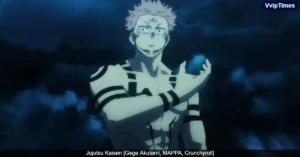
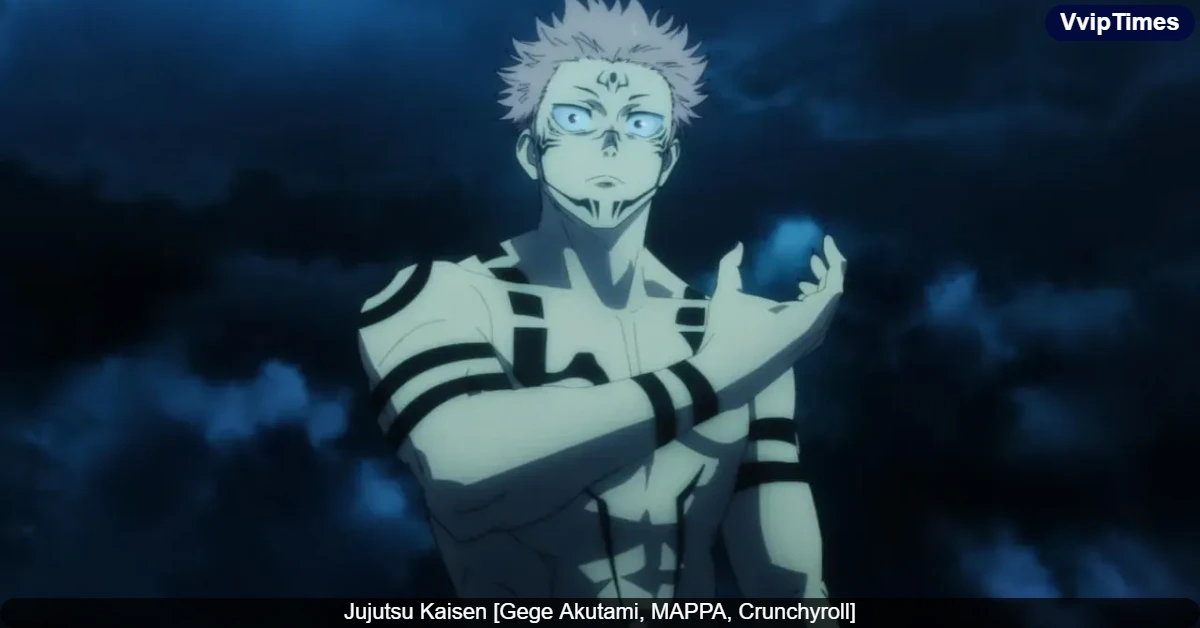
The latest episode of Jujutsu Kaisen Season 3 arrived on March 12, 2026, and it brought one of the most intense battles of the Culling Game arc so far. Episode 10, titled “Tokyo No. 1 Colony, Part 4,” focuses entirely on Megumi Fushiguro as he faces off against Reggie Star and his team inside the deadly Tokyo colony. The episode ends with a massive moment—Megumi finally activates his Domain Expansion, Chimera Shadow Garden—but fans who have read the manga are already spotting some key differences between how this fight plays out in the anime versus Gege Akutami’s original source material.
MAPPA continues to handle the animation for this third season, and Episode 10 adapts material from manga chapters 167 through roughly 170. While the anime stays mostly faithful to the core story, there are several changes in pacing, fight choreography, and character moments that make this episode feel distinct from the manga experience. Here is a complete breakdown of every major difference between the Jujutsu Kaisen Season 3 Episode 10 anime and the original manga chapters it adapts.
What Manga Chapters Does Jujutsu Kaisen Season 3 Episode 10 Cover?
Before diving into the specific differences, it helps to know exactly which parts of the manga this episode pulls from. Jujutsu Kaisen Season 3 Episode 10 adapts the second half of Chapter 167, most of Chapter 168, Chapter 169, and portions of Chapter 170. In the manga, these chapters cover Megumi’s continued battle against Reggie Star, the arrival of Iori Hazenoki and Fumihiko Takaba, and the lead-up to Megumi’s Domain Expansion.
The episode follows a linear structure: Megumi is trapped and outnumbered, Takaba arrives to help, Megumi separates Takaba to deal with Hazenoki, and then the main event—Megumi versus Reggie—reaches its climax with Chimera Shadow Garden. However, the way these events unfold on screen includes several adjustments that change the feel of the fight.
Megumi vs Reggie: Fight Choreography and Pacing Differences
The most noticeable difference between the anime and manga versions of this fight is the pacing. In the manga, the battle between Megumi and Reggie unfolds across multiple chapters with a lot of back-and-forth dialogue and tactical thinking. Readers see Megumi’s thought process clearly through internal monologues, and Reggie’s explanations of his Cursed Technique—Contractual Re-Creation—are spelled out in detail.
The anime streamlines this significantly. Instead of pausing for lengthy explanations, MAPPA chooses to show Reggie’s ability in action. Viewers see receipts flying and objects materializing without long speeches about how the technique works. This makes the fight feel faster and more chaotic, which matches the energy of the Culling Game but loses some of the strategic depth from the manga.
Another pacing change comes in how Megumi uses his Ten Shadows Technique. The manga shows Megumi cycling through multiple shikigami in a specific order, each one getting countered by Reggie’s unpredictable summons. The anime condenses this exchange, showing fewer shikigami but making each appearance more visually impressive. Round Deer, for example, gets a more dramatic entrance in the anime compared to the manga.
The Arrival of Takaba: Comedy or Chaos?
Fumihiko Takaba is one of the most unique characters in the Culling Game arc, and Episode 10 introduces him to anime-only viewers for the first time. In the manga, Takaba’s introduction is played mostly for comedy. His dialogue is full of failed punchlines, and his decision to help Megumi feels almost random—he simply decides Megumi looks like a hero worth supporting.
The anime expands Takaba’s role slightly. Instead of just appearing suddenly, the episode gives him a few extra seconds of screen time establishing his personality. Viewers see him observing the fight, clearly confused but also strangely confident. This small addition helps anime viewers understand why this comedian would jump into a deadly sorcerer battle.
The biggest talking point regarding Takaba in Episode 10 is his Naruto reference. During his brief skirmish with Hazenoki, Takaba uses a move that fans immediately recognized as the “One Thousand Years of Death” technique made famous by Kakashi Hatake in the Naruto series. This scene has fans laughing and sharing clips across social media, with comments like “Kakashi would be proud” popping up everywhere. This moment plays out slightly differently in the manga—the reference is there, but the anime stretches it out and adds more comedic timing, making it land harder for viewers.
Iori Hazenoki: Body Explosions and Brutality
Iori Hazenoki is another new player introduced in this episode, and his Cursed Technique is exactly as disturbing as manga readers remember. He can detach parts of his body—eyes, teeth, fingers—and make them explode using Cursed Energy. In the manga, this ability is explained through dialogue and static panels showing the aftermath of explosions.
The anime takes this concept and runs with it. Seeing Hazenoki casually pop out his own eye and toss it like a grenade hits differently in motion. MAPPA adds sound design that makes every explosion feel impactful, and the animation during Hazenoki’s scenes is noticeably more graphic than in previous episodes. The manga implied the brutality, but the anime shows it directly.
There is also a small change in how Hazenoki interacts with Takaba. In the manga, Hazenoki is mostly confused by Takaba’s behavior. In the anime, he seems genuinely annoyed, which adds a layer of humor to their confrontation. This shift makes Takaba’s comedy feel more effective against a serious opponent.
The Big Moment: Chimera Shadow Garden Domain Expansion
The ending of Jujutsu Kaisen Season 3 Episode 10 is what everyone is talking about. After spending most of the fight on the defensive, Megumi finally activates his Domain Expansion—Chimera Shadow Garden—and completely flips the battle against Reggie Star. In the manga, this moment is shocking but somewhat brief. The activation happens across a few panels, and the focus is on Reggie’s surprise and Megumi’s calm confidence.
The anime treats this as the climax of the episode, and the difference in presentation is massive. MAPPA pulls out all the stops for Chimera Shadow Garden. The domain expands with stunning visual effects, shadows flood the battlefield, and Megumi’s voice takes on a colder tone as he tells Reggie he never said he had no moves left. The animation quality spikes during these final moments, making it clear this is the episode’s highlight.
In terms of content, the anime adds a few extra beats during the domain activation. Viewers see more of how Chimera Shadow Garden works—shadows moving independently, shikigami appearing from multiple angles, the environment shifting to Megumi’s advantage. The manga explains these effects through dialogue, but the anime shows them in action.
One detail manga readers noticed: in the source material, Megumi’s domain is explicitly called incomplete. He cannot create a guaranteed-hit effect like fully realized Domain Expansions. The anime hints at this by showing the domain’s edges flickering and shadows behaving unpredictably, but it does not spell it out as clearly as the manga does. This might leave anime-only viewers thinking Megumi has achieved a complete Domain Expansion when he actually still has room to grow.
Dialogue Changes: What Did Characters Say Differently?
Dialogue adjustments are common in anime adaptations, and Jujutsu Kaisen Season 3 Episode 10 has a few notable ones. In the manga, Reggie Star delivers several long speeches about the nature of the Culling Game, Kenjaku’s plans, and why he fights. These monologues establish Reggie as more than just a random opponent—he has principles and theories about what is really happening.
The anime cuts most of these speeches down to essential lines. Reggie still explains some of his thinking, but the philosophical depth is reduced in favor of keeping the action moving. This change makes Reggie feel more like a straightforward antagonist rather than a complex character with his own agenda.
Megumi’s dialogue also sees small tweaks. In the manga, his internal thoughts reveal how much he is struggling and how carefully he is calculating each move. The anime relies more on visual storytelling—his exhausted expressions, his desperate dodges—to convey the same information. When Megumi finally speaks at the end, his words carry more weight because viewers have not heard him monologuing internally throughout the fight.
Takaba’s lines are mostly intact, but the delivery makes a huge difference. The Japanese voice actor brings a specific energy to Takaba that the manga cannot replicate. His failed jokes land differently when heard aloud, and the anime uses this to make Takaba both funnier and slightly more pathetic, which is exactly what the character needs.
Visual Presentation: Color, Lighting, and Atmosphere
MAPPA has developed a distinct visual style for Jujutsu Kaisen, and Episode 10 continues that tradition with some specific choices that differ from the manga’s black-and-white presentation. The color grading in this episode shifts noticeably during Megumi’s fight. Early scenes use muted, realistic colors that make the Tokyo colony feel abandoned and dangerous. As Megumi gets pushed closer to his limit, the colors become more saturated, and shadows grow darker.
When Chimera Shadow Garden activates, the color palette completely changes. Deep purples and blues dominate, with highlights in white and pale yellow. This visual shift signals to viewers that something major has changed without needing dialogue to explain it.
The manga, being black and white, cannot use color this way. Instead, Akutami relies on panel composition and heavy inking to create atmosphere. The anime’s color choices add an emotional layer that the manga handles differently.
Fan Reactions to Episode 10
Social media exploded after Jujutsu Kaisen Season 3 Episode 10 aired. Fans on Reddit, Twitter, and TikTok shared their thoughts within minutes of the episode dropping on Crunchyroll. The general consensus is positive, with many calling this one of the best fights of the Culling Game arc so far.
Reddit users praised the animation quality, with one comment calling it “potentially the best fight of the season”. Another user noted that Megumi’s fights always work well in animation because the Ten Shadows Technique is so visually interesting. The IMDb rating for Episode 10 currently sits at 9.2 out of 10, matching the season premiere’s score.
Some manga readers expressed mild disappointment that Reggie’s dialogue was cut down. They felt his character lost some depth in the adaptation. However, most fans accepted that trade-off given how well the action sequences turned out.
The Naruto reference featuring Takaba became a viral moment almost immediately. Fans clipped the scene and compared it to the original Kakashi version, with many calling it a perfect tribute that fit Takaba’s comedic personality.
Also Read:




Where to Watch Jujutsu Kaisen Season 3 Episode 10
Jujutsu Kaisen Season 3 Episode 10 is currently streaming on Crunchyroll for international audiences. The episode became available on March 12, 2026, for most regions outside Japan, following the typical simulcast schedule. Viewers in the United States can watch it starting at 8:30 AM Pacific Time or 11:30 AM Eastern Time.
For fans in Asia, the episode is also available through Ani-One Asia’s official YouTube channel in select regions. Japanese viewers can catch it on MBS, TBS, and affiliated networks at 12:30 AM JST on March 13.
The episode runs approximately 23 minutes and is available with subtitles in multiple languages. English dub viewers will need to wait a few weeks, as the dubbed version typically releases after the initial subtitled broadcast.
Also Read: Scarpetta: Who Turned Off Lucy’s AI Janet? Her Death and the Mystery Behind the Shutdown Explained
For more breaking news, exclusive interviews, and daily updates on your favorite anime, celebrities, and entertainment, keep it locked on VvipTimes—your go-to source for everything happening in the world of showbiz.