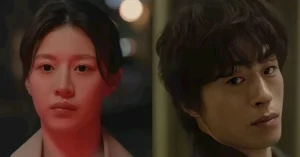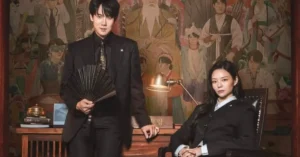
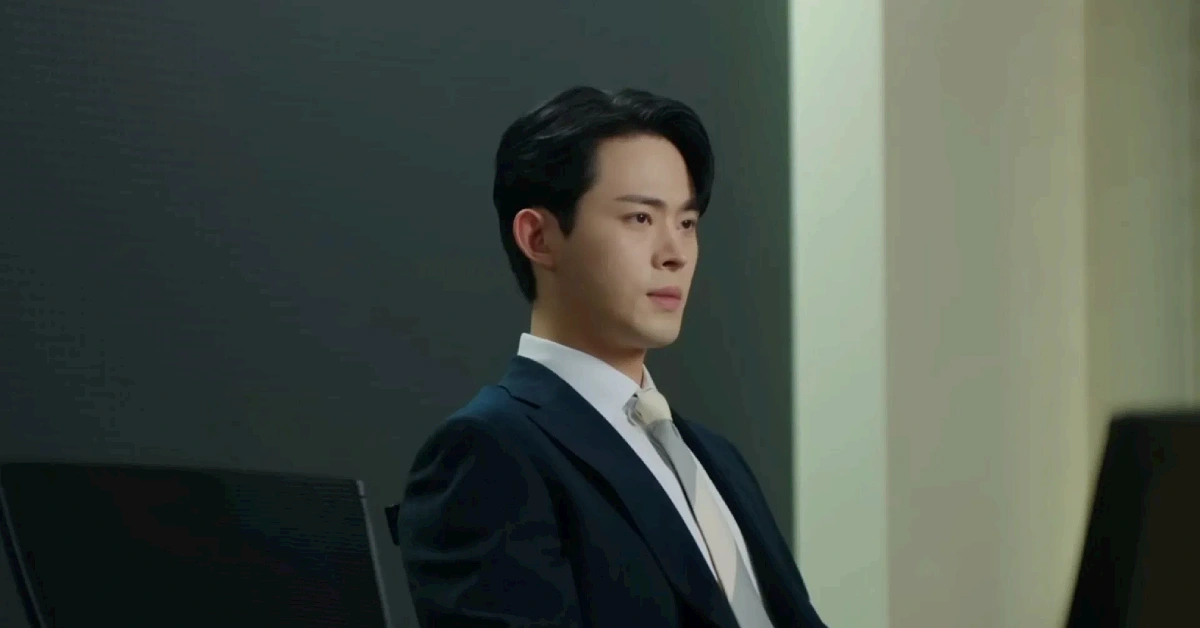
The character arc of Kwak Byung-gyun, played by actor Jung Jae-kwang, has emerged as one of the most talked-about elements of the K-drama Idol I. Starting the series as an arrogant, bullying prosecutor, his slow transformation into a man struggling with conscience has captured significant fan attention and praise for its depth and realism.
The Harsh Beginning: Prosecutor as Antagonist
When viewers first meet him, Kwak Byung-gyun is easy to dislike. He is a third-generation prosecutor from a powerful family, immediately introduced as a primary antagonist. His personal history is deeply entwined with the show’s heroine, lawyer Maeng Se-na. Flashbacks reveal he was one of the main bullies who tormented Se-na in school for being a murderer’s daughter, a cruelty that drove her to a point of deep despair.
He carries this entitled, abrasive attitude into his professional life. Tasked with prosecuting idol Do Ra-ik for murder, Byung-gyun is initially portrayed as ruthless and single-minded. He focuses solely on building a case against Ra-ik, often clashing with the lead detective who wants to follow evidence more thoroughly. His motivation is partly driven by family pressure; his father sees the high-profile case as a perfect springboard for his own political ambitions and instructs Byung-gyun to secure a confession, not necessarily the truth.
Cracks in the Armor: The First Doubts
The first signs of change in Byung-gyun come from professional doubt, not personal guilt. During the investigation, he and the detective learn from the medical examiner that the victim died from a single, precise stab wound. Byung-gyun is forced to privately admit it seems unlikely a drunk and medicated Ra-ik could have delivered such a blow. He brings these doubts to his father, only to be firmly rebuked and reminded that his job is to win convictions. This moment highlights the beginning of his internal conflict between his duty as a prosecutor and the flawed system he serves.
This system is a key point of critique in Idol I. The show portrays a legal environment where careers are built on nepotism and high-profile convictions are valued over justice. Byung-gyun is initially a product and enforcer of this system. The show suggests that crucial evidence in Ra-ik’s case—and in the old case of Se-na’s father—was missed because prosecutors were more focused on their theory than on an unbiased search for facts.
The Turning Point: Confronting the Past
The core of Kwak Byung-gyun’s growth is his reckoning with two forms of past wrongdoing: his personal cruelty and his professional misconduct.
His childhood bullying of Maeng Se-na is not forgotten. Their history adds a intense personal layer to their courtroom battles. More critically, he must face the legacy of his father’s corruption. He discovers that his own father, High Prosecutor Kwak Jong-chul, once fabricated evidence to secure a wrongful conviction against Se-na’s father. This revelation forces Byung-gyun to see the devastating human cost of the “win-at-all-costs” mentality he was raised to uphold.
A pivotal scene occurs in Episode 11, where Byung-gyun finally confronts his father. This act of defiance against family and systemic pressure marks his definitive break from the path laid out for him. In a powerful moment of remorse, he states:
“If an innocent person could end up paying for my mistake, I don’t know how I’d ever live with that.”
This line resonated deeply with audiences. Social media reactions celebrated the emotional weight of his long-awaited redemption. One fan posted, “From the ruthless ‘asshole era’ to this moment of remorse, his growth hits so hard. It’s amazing to see a character evolve and finally feel the weight of their actions.”
Also Read:





A Satisfying Arc and Audience Reception
By the drama’s conclusion, Byung-gyun’s journey reaches a resolution that fans found satisfying. He reconciles with the police detective he frequently overruled and genuinely seeks to make amends for his earlier actions. The show implies he steps away from the toxic environment of his family and the elite prosecution service to find his own path.
Critics and viewers have praised actor Jung Jae-kwang for his nuanced performance. Reviews note he successfully made the character “truly repellent” when required, yet earned audience empathy by the end. His arc is seen as a standout element in a drama filled with strong character work. Some fans have even expressed interest in a potential spin-off following his character’s new life.
While the ending of Idol I received mixed reviews for some of its plot resolutions, Kwak Byung-gyun’s personal redemption was widely highlighted as a strength. His story moved beyond a simple villain-to-hero trope, instead painting a detailed portrait of a man educated into corruption who slowly finds the courage to seek integrity, making him one of the drama’s most compelling figures.
Also Read: Manon Walks Out of 90 Day Fiancé Tell-All After Tense Confrontation
For more updates on your favorite K-dramas and the actors who bring these complex characters to life, keep reading VvipTimes.