The announcement of Netflix’s $82.7 billion deal to buy Warner Bros. has sent shockwaves through the entertainment world. If the deal is completed, Netflix would take control of a massive library of stories, from Harry Potter to the DC Universe. One major question for fans is about the future of Middle-earth stories, specifically Amazon’s The Rings of Power series, which is a separate production. The answer involves understanding who owns the rights to J.R.R. Tolkien’s work and how this historic deal changes the streaming landscape.
Will Netflix Own The Lord of the Rings?
The short answer is no, Netflix will not directly own or control The Rings of Power. The situation is more complex than a simple transfer of ownership.
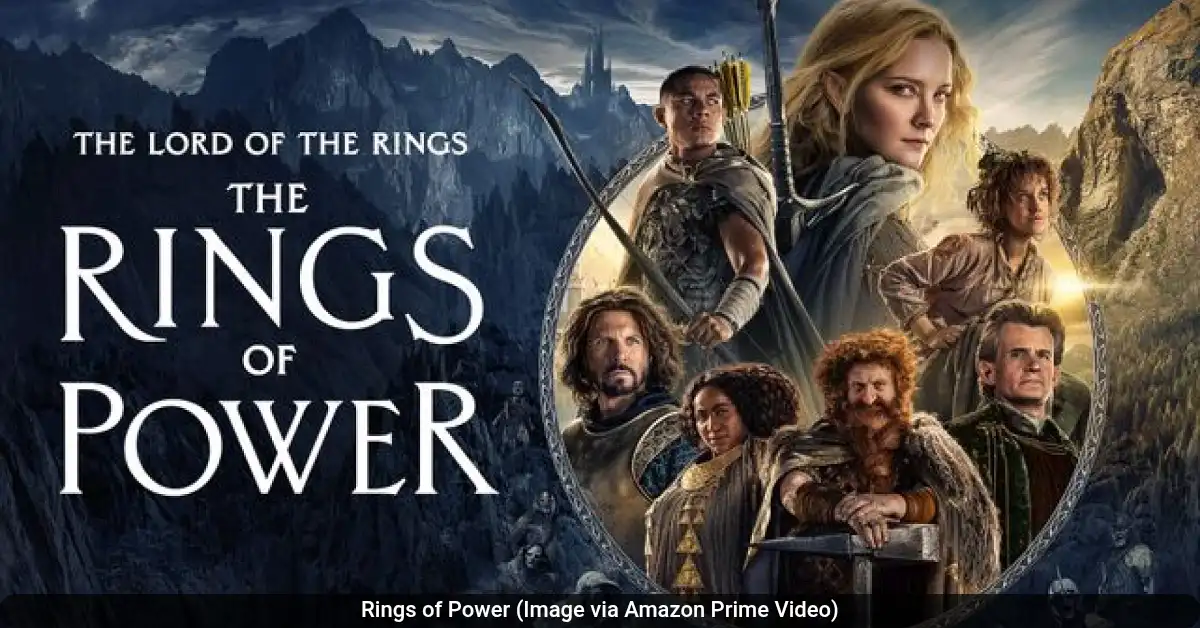
The Lord of the Rings: The Rings of Power is a television series produced by Amazon Studios. It is based on the appendices and other writings from J.R.R. Tolkien’s books. The rights to adapt The Lord of the Rings and The Hobbit for television were separately licensed by Amazon from the Tolkien estate and publisher HarperCollins. This deal is independent of Warner Bros..
However, Netflix’s purchase of Warner Bros. does involve Tolkien’s world in another way. Warner Bros. owns the rights to the existing Lord of the Rings and The Hobbit film trilogies, directed by Peter Jackson. It also holds certain other rights related to the franchise. This means that if the deal closes, Netflix would gain control over this iconic film library. Fans could expect to see movies like The Fellowship of the Ring and The Return of the King move to Netflix’s service.
A post on the official The Rings of Power Facebook page reacting to the news stated simply: “BREAKING: Netflix has acquired Warner Brothers which holds the ‘Lord of the Rings’ IP”. This led to immediate confusion and discussion among followers about what it meant for the Amazon series.
For viewers, this means the two major Middle-earth projects will remain on different platforms: The Rings of Power will stay on Amazon Prime Video, while the classic film trilogies will likely join Netflix.
What the Netflix and Warner Bros. Deal Means
The proposed acquisition is one of the largest in entertainment history. On December 5, 2025, Netflix announced it had agreed to buy the Warner Bros. film and television studios, along with HBO and the HBO Max streaming service. The total value of the deal is $82.7 billion.
This deal is not final. It faces a lengthy regulatory review process in the United States and other countries, which is expected to take 12 to 18 months. Warner Bros. Discovery must also complete a planned separation of its cable networks, like CNN and TNT, into a new company called Discovery Global in mid-2026 before the sale to Netflix can happen.
Netflix’s leaders, co-CEOs Ted Sarandos and Greg Peters, have defended the deal. In a memo to employees, they said the combination is meant for growth and does not signal the end of Hollywood.
“We see this as a win for the entertainment industry, not the end of it,” Sarandos and Peters wrote. “This deal is about growth: Warner Bros. brings businesses and capabilities we don’t have, so there’s no overlap or studio closures”.
The Battle for Warner Bros. and Competing Visions
Netflix was not the only company trying to buy Warner Bros. Its main rival was Paramount Skydance, led by David Ellison. Just days after Netflix’s deal was announced, Paramount launched a hostile takeover bid, offering a higher all-cash price of roughly $108.4 billion for the entire Warner Bros. Discovery company.
This ongoing battle presents two different futures for Warner Bros.’s content:
- A Netflix Future: Focused on streaming. Netflix has promised to continue releasing Warner Bros. films in theaters, but its core business is its online platform.
- A Paramount Future: Would create a larger traditional media company combining studios, cable channels, and streaming. Paramount has argued its deal would be better for movie theaters.
Warner Bros. Discovery’s board is still reviewing Paramount’s offer, meaning the final owner has not been decided. This bidding war adds another layer of uncertainty to where major franchises will end up.
The Bigger Picture for Fans and Movies
Beyond The Lord of the Rings, the deal puts numerous other major franchises under one roof. If Netflix succeeds, it would gain control of:
- The entire DC Universe, including characters like Batman, Superman, and Wonder Woman, and upcoming projects like the new Superman film.
- Harry Potter, including the film library and the upcoming HBO television series.
- Game of Thrones and its spin-offs like House of the Dragon.
- Classic film libraries and animation studios.
One of the biggest concerns in the industry is about the future of movie theaters. Warner Bros. traditionally releases 12-14 major films in theaters each year. Netflix, however, has historically prioritized its streaming service, with most of its films having very limited or no theatrical runs.
Cinema United, a trade group for theater owners, called the Netflix deal “an unprecedented threat to the global exhibition business”. They worry that Netflix’s model could reduce the number of films playing in theaters or shorten the time they are available on the big screen.
In response to these fears, Netflix’s executives have made public commitments. Greg Peters stated, “We’re fully committed to releasing Warner Bros. movies in theaters, just as they do today”. They argue that theatrical releases will remain a key part of the business for major Warner Bros. films.
Also Read: Pluribus Episode 7 ‘The Gap’ Recap: A Shocking Surrender Changes Everything