The Netflix live-action adaptation of One Piece surprised everyone by breaking the so-called “curse” of bad anime remakes. While the anime has been beloved for over two decades, the live-action series took a different approach. Instead of copying the anime frame by frame, the creators went back to the original source material written by Eiichiro Oda. In many cases, this decision led to scenes that are actually closer to the manga than the anime ever was—and sometimes even better.
Here are 10 moments from the Netflix live-action One Piece that adapted the manga more faithfully than the long-running anime.
Zeff Cuts Off His Own Leg
One of the biggest differences between the anime and the manga involves Sanji’s backstory. In the anime, the pirate chef Zeff loses his leg when a ship chain crashes onto it during a storm. The scene is played in a way that softens the violence for younger viewers.
However, in both the manga and the live-action series, Zeff makes a much darker choice. After he and the young Sanji are stranded on a rock, Zeff cuts off his own leg and eats it to survive, giving all the remaining food to Sanji. The live-action shows this moment with brutal honesty, staying 100% true to what Eiichiro Oda originally wrote . Fans appreciated that Netflix did not shy away from this gruesome detail, which proves how far Zeff went to save the boy who would become the Straw Hats’ cook.
Luffy’s Walk to Arlong Park
The scene where Luffy, Zoro, Sanji, and Usopp march toward Arlong Park to rescue Nami is iconic in every version of One Piece. But the live-action version added something special. In the anime, the walk is powerful, but it moves at a standard pace. The live-action slowed everything down.
Iñaki Godoy (Luffy), Mackenyu (Zoro), Taz Skylar (Sanji), and Jacob Romero Gibson (Usopp) walked with such intensity that fans online called it even better than the original. The camera work, the music, and the actors’ facial expressions captured the quiet rage of the crew better than the anime did at that point. Reddit users pointed out that this moment felt more realistic and emotionally charged because the live-action took its time to let the tension build . It was a rare case where a remake surpassed both the manga panels and the animated version.
Shanks Loses His Arm On Screen
In the very first chapter of the One Piece manga, Shanks loses his arm saving young Luffy from a Sea King. The manga shows the moment clearly, but the anime slightly softens the impact by keeping some distance from the violence.
The live-action made the choice to show Shanks’ arm being bitten off in full view. The blood, the shock on young Luffy’s face, and the Sea King’s massive jaws are all presented without cutting away. This decision grounded the scene in reality and reminded viewers that even though One Piece is a fun adventure story, danger is very real. It also made Shanks’ sacrifice feel heavier, which is exactly what Oda intended in his original manga panels .
Garp’s Role Throughout the Story
In the anime, Monkey D. Garp does not appear until much later in the story. His first real introduction happens after the Straw Hats enter the Grand Line. However, in the live-action, Garp is present from the very beginning. He is shown at Gold Roger’s execution, and he actively chases Luffy throughout the entire East Blue saga.
This change actually brings the story closer to the manga’s overall theme. Garp is Luffy’s grandfather, and his obsession with catching Luffy makes sense when you see him as a persistent threat from day one. The live-action used Garp to create a continuous storyline that tied the episodes together, something the anime lacked because it followed the manga’s chapter-by-chapter release without adding connective tissue .
Nami’s Backstory Gets More Depth
Nami’s past with Arlong is tragic in every version, but the anime sometimes interrupts emotional moments with comedic cuts or sudden shifts in tone. The live-action kept the focus on Nami’s pain without breaking the mood.
Emily Rudd’s performance as Nami brought out the character’s trauma in a way that felt more grounded. The scene where she stabs her own Arlong tattoo repeatedly is shown with raw emotion. Additionally, the live-action added small details like Nami’s adoptive sister Nojiko not knowing the truth about Nami’s deal with Arlong. In the anime, Nojiko knows from the start. The live-action chose to follow a different path that made the eventual reveal more heartbreaking, which actually aligns better with the emotional weight Oda built into the manga .
Kuro Kills Merry
In the Syrup Village arc, the kind butler Merry is attacked by Captain Kuro for discovering his secret identity. In the anime, Merry survives the attack. However, in the manga, the moment is left somewhat ambiguous, but the intention was always to show that pirates are ruthless.
The live-action made the bold choice to kill Merry on screen. His death gives Usopp’s story higher stakes. It also explains why the Straw Hats name their ship the Going Merry—to honor the man who believed in Usopp. This change was praised by fans because it added emotional weight to a story arc that sometimes feels too long in the anime .
Zoro’s Fight Against Mr. 7
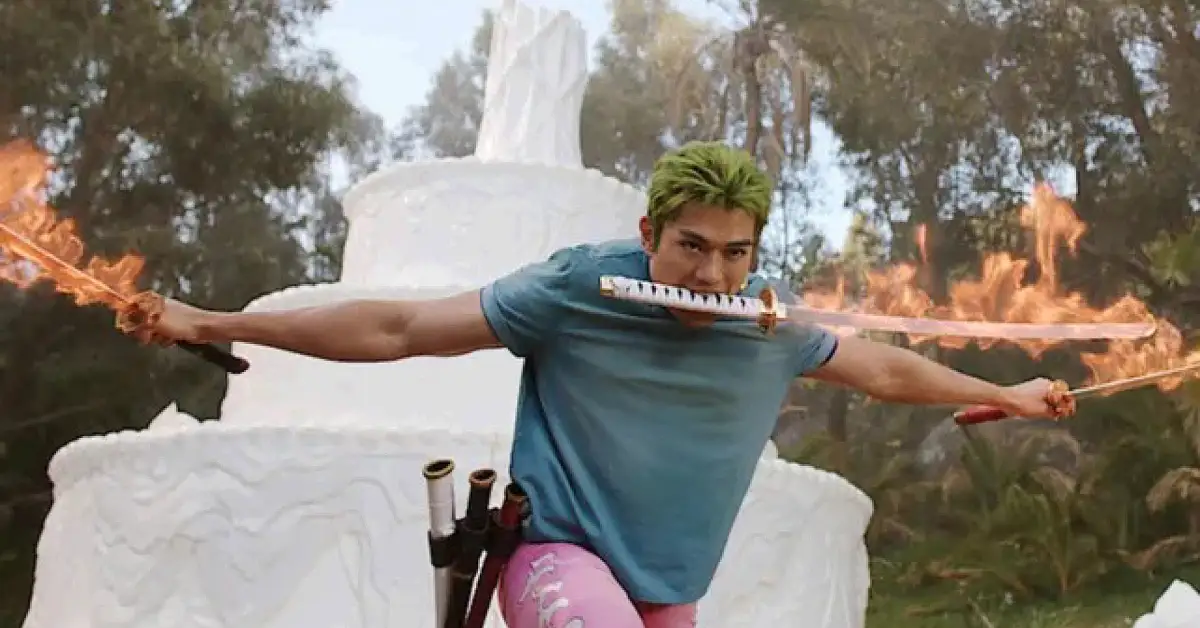
One of the coolest additions in the live-action that actually comes from the manga’s expanded universe is Zoro’s fight against Mr. 7. In the main anime storyline, we never see how Zoro was recruited by Baroque Works. But the live-action shows a brief but brutal fight where Zoro kills Mr. 7 without breaking a sweat.
This scene was not in the original anime, but it was mentioned in the manga’s side material. Including it helped establish Zoro’s strength early on and gave Mackenyu a chance to show off his sword skills. Fans on social media loved this addition because it made the world feel bigger and more connected .
No Filler, Just the Core Story
The One Piece anime is famous—or infamous—for its filler episodes. Scenes that drag on, repeated flashbacks, and entire arcs that were never in the manga make watching the anime a test of patience for some viewers. The live-action removed all of that.
By cutting out characters like Johnny and Yosaku, the Usopp Pirates, and the Island of Rare Animals, the Netflix show focused only on what mattered for the main plot. While some fans missed these side characters, most agreed that trimming the fat made the story move faster and feel more modern. This approach is actually more faithful to the manga’s pacing, especially in the early chapters where Oda moves the story forward quickly .
The Marines Are More Than Just Bad Guys
In the anime, especially in the early episodes, the Marines often come across as simple villains or comic relief. The live-action gave them more depth. Characters like Morgan and Garp are shown as part of a larger system. Garp, in particular, is portrayed as a conflicted man who loves his grandson but also believes in justice.
This complexity comes straight from the manga, where Garp’s internal struggle becomes a major part of the story later on. By introducing this side of him early, the live-action made the Marines feel like a real organization rather than just obstacles for Luffy to punch .
Arlong’s Hatred Feels Personal
Arlong is one of the best villains in early One Piece, but the anime sometimes makes him feel like a cartoonish fish-man who just likes being mean. The live-action took a different approach. By having Arlong appear earlier in the story and directly interact with characters like Buggy and Nami, the show built him up as a genuine threat.
His hatred for humans feels more personal, and his scenes with Nami are filled with psychological manipulation rather than just shouting. This deeper characterization is closer to what Oda wrote in the manga, where Arlong’s racism and cruelty are meant to reflect real-world prejudice.
Also Read:

The Straw Hats Feel Like Real People
Above all, the live-action succeeded by making the Straw Hats feel like real people, not just cartoon characters. Iñaki Godoy’s Luffy is not just loud and silly—he is also observant and emotionally intelligent. Emily Rudd’s Nami is not just greedy—she is traumatized and desperate. Mackenyu’s Zoro is not just a tough guy—he is loyal to a fault.
This humanization actually brings the characters closer to how Oda writes them in the manga. While the anime exaggerates expressions for comedy, the manga often shows quiet moments where characters reflect on their choices. The live-action captured that balance perfectly.
One Piece season 1 is now streaming on Netflix. Season 2 is set to release on March 10, 2026, and will cover the Drum Island Arc, bringing the total adapted chapters to over 13% of the manga . Fans are eager to see how the show handles characters like Chopper and Vivi in the upcoming episodes.
Also Read: Kusunoki’s Garden of Gods Anime Confirms April 4 Release Date With New Trailer and Cast Additions
For more engaging stories about the world of entertainment, keep visiting VvipTimes for the latest updates and insider scoops.