

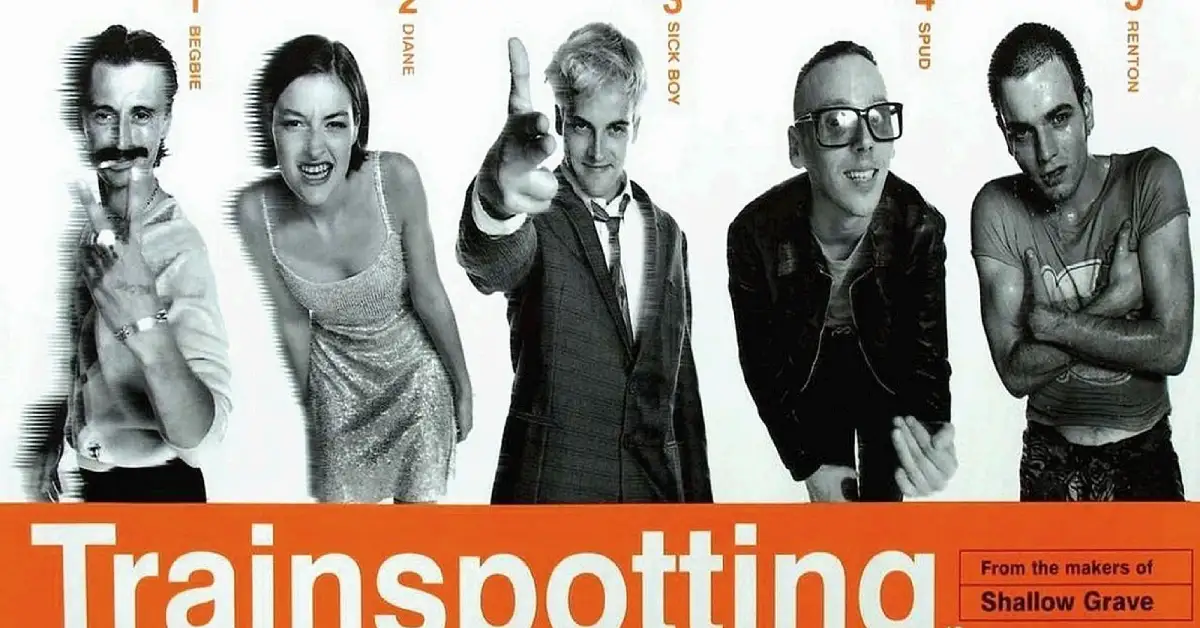
Would classic British films like Trainspotting, Ratcatcher, and The Wicker Man get financing if they were pitched to studios today? That was the central question at a panel discussion during the Edinburgh International Film Festival in August 2026. The session, titled “Would This Get Made?,” brought together top film executives to examine how these beloved movies would fare in the current industry landscape.
The panel featured Christine Vachon, the acclaimed independent producer behind Carol and Past Lives and co-founder of Killer Films. She was joined by Stefanie Fahrion, head of distribution and sales at Film4; Alice Ojha, commissioning executive at BBC Film; Clare Binns, creative director of Picturehouse; and Simon Renshaw from Casarotto Ramsay & Associates. Journalist Wendy Mitchell moderated the conversation.
The exercise was straightforward but revealing: take three British classics from different eras and assess them as if they had just landed on development desks in 2026. The results showed how much the film business has changed—and in some ways, how little.
‘Trainspotting’ and the Power of Shock Value
First up was Danny Boyle’s 1996 cult hit Trainspotting. The film follows a group of heroin addicts in Edinburgh and features graphic drug use, a dead baby, filthy toilets, heavy Scottish dialect, and no obvious box-office stars at the time. On paper, it sounds like a tough sell.
But the panel saw clear reasons why it could work today. Binns pointed to Boyle’s previous film, Shallow Grave, calling it “one of the most exciting films I ever saw” that announced “a new voice”. Fahrion highlighted the film’s “shock value” and said it had “so many iconic moments” that would create a “talking factor” and FOMO around scenes audiences felt they had to see. In today’s social media environment, those moments would likely go viral.
Renshaw described Trainspotting as “a big swing,” but also “something that’s going to get people talking”. Vachon was even more direct. “I pitch it as genre or genre adjacent,” she said. “I don’t think it’s risky at all”. For her, the film’s edge and uniqueness would actually work in its favor with distributors looking for bold, original content.
The Challenge of First Features: ‘Ratcatcher’
The discussion then turned to Lynne Ramsay’s 1999 debut Ratcatcher. The film is a raw, poetic portrait of a young boy growing up in a poor Glasgow housing estate during a garbage strike in the 1970s. It was Ramsay’s first feature after making award-winning short films.
Renshaw called “that leap from shorts to that first feature” the biggest hurdle for new filmmakers. Getting financiers and distributors comfortable often requires known cast members, which first-time directors rarely have. This is where public funding becomes crucial—especially in the UK.
Fahrion noted that unique and challenging voices like Ramsay’s “often originate with public development or production money”. The UK’s system of public funding through organizations like BBC Film and Film4 helps bridge the gap for emerging talent.
Vachon’s perspective from the American side was starkly different. She joked about the lack of comparable public support in the US, saying: “What is this public funding of which you speak?”. She then proposed an alternative panel title: “How the fuck would you get this movie made in America?”. Her practical answer: “We’d make it for about $300,000”. The real job, she said, is to ask: “How do we create a case for this?”.
‘The Wicker Man’: A Genre Film That Fits Today’s Market
The third film examined was Robin Hardy’s 1973 folk horror classic The Wicker Man. The movie features paganism, full frontal nudity, a remote Scottish island, and human sacrifice. At the time of its original release, the studio treated it as a secondary feature paired with Don’t Look Now.
Today, the panel agreed, it would be a much easier sell. Vachon called it “exactly what the A24s, Neons, etc. are looking for right now”. The rise of specialty distributors who champion bold, unconventional genre films has created a market that didn’t exist when The Wicker Man was first released.
Renshaw noted that the film could be made inexpensively. Binns saw a marketing hook in casting a known actor “doing something new, different for him”—just as the original film did with Richard Chamberlain. The panel’s consensus was clear: The Wicker Man would find a home today much more easily than it did in 1973.
The US-UK Funding Divide
A recurring theme throughout the session was the difference between the American and British film funding systems. Vachon repeatedly pointed out how much harder it is to get independent films financed in the US without the safety net of public money.
Her joke about proposing a panel called “How the fuck would you get this movie made in America?” wasn’t just for laughs. It reflected a real frustration among independent producers who have to piece together financing from multiple private sources, often with no government support.
In contrast, the UK system—through BBC Film, Film4, and other public bodies—provides development and production funding that allows risky, original projects to move forward. This public backing was exactly what helped films like Trainspotting and Ratcatcher get made in the first place.
The Changing Landscape for Independent Film
The panel’s discussion highlighted several key shifts in the industry since these classics were first released.
Streaming and social media have changed how films find audiences. A movie with shocking or memorable scenes can now generate buzz instantly through viral clips and online chatter. That works in favor of bold, uncompromising films like Trainspotting.
Specialty distributors like A24 and Neon have created a thriving market for genre films and unconventional storytelling. Movies that might have been considered too weird for mainstream studios two decades ago now have dedicated distribution channels.
The financing gap for first-time directors remains a major obstacle. As Renshaw noted, the leap from shorts to a first feature is still the hardest step for emerging filmmakers. Public funding in the UK helps address this, but in the US, producers like Vachon have to get creative with ultra-low budgets.
What the Exercise Revealed
The “Would This Get Made?” exercise wasn’t just an academic thought experiment. It showed how the film industry’s priorities have shifted—and where they’ve stayed the same.
Trainspotting would likely get made today because of its shock value and viral potential. The Wicker Man would find a home with specialty distributors who crave bold genre fare. But Ratcatcher—a quiet, challenging first feature—would still struggle without public funding or a major star attached.
The panel also revealed the enduring importance of public support for the arts. In the UK, organizations like BBC Film and Film4 continue to play a vital role in nurturing new voices and backing risky projects. Without that safety net, many of the films we now consider classics might never have been made.
You May Also Like:





A Reality Check for Filmmakers
For anyone trying to get a movie made today, the panel’s insights offer a sobering reality check. The barriers are real, but they’re not insurmountable. Vachon’s advice—make it for as little as possible and create a compelling case—remains as relevant as ever.
The session also served as a reminder that great films often look risky on paper. Trainspotting had no stars, a heavy dialect, and disturbing content. The Wicker Man was so strange that its studio buried it as a B-movie. Yet both became classics.
The question isn’t whether difficult films can get made. It’s whether the industry has the courage and the systems in place to support them.
Also Read: Monsters Inc. Land Monstropolis Opening at Disney World in 2027 – What to Know
For more updates on film festivals, industry insights, and the business of entertainment, stay tuned to VvipTimes for the latest coverage from around the world.


Leave a Reply