


One Piece has officially sold over 600 million copies worldwide, tying Superman as the best-selling comic series of all time. The numbers are staggering, the Netflix adaptation is a hit, and Eiichiro Oda’s pirate saga shows no signs of slowing down. Yet, according to a growing wave of critics and creators, those record-breaking figures may be hiding the real story of manga’s greatest champion.
Dragon Ball Built the Stage One Piece Performs On
Akira Toriyama’s Dragon Ball debuted in 1984 in Weekly Shōnen Jump. The series ran for 519 chapters across 42 volumes until 1995, and it has sold more than 260 million copies worldwide, according to publisher Shueisha. Those numbers put it at number five on the all-time sales list, far behind One Piece. But sales have never been the full measure of Dragon Ball’s reach.
The franchise’s global footprint goes far beyond bookstores. The Dragon Ball anime began airing in 1986, and its international broadcast in the late 1980s kickstarted the worldwide manga and anime boom. A JapanGov feature explains that Dragon Ball is directly credited with opening Western markets to Japanese storytelling, noting that Toriyama even insisted on right-bound book formatting to preserve the manga reading experience for global audiences.
Vincent Haddad, a scholar whose book “Next Time on Dragon Ball” is set for release in August 2026 through the University of Minnesota Press, argues that the franchise’s cultural staying power comes from how fans remix and replay its characters across generations. “Since its debut in 1984, Dragon Ball has become one of the most popular, influential, and lucrative global media franchises in the world,” Haddad writes in the book’s introduction.
Eiichiro Oda Himself Calls Toriyama the Greatest
If One Piece fans want to know where the series truly stands, they only need to listen to its creator. In an interview published in One Piece Magazine Volume 20, Eiichiro Oda made his feelings about Toriyama unmistakably clear.
“The existence of Toriyama-sensei is greater to me than anything else. I had never seen anyone who could draw so well, and I was captivated at first sight. When it comes to art, the influence of Toriyama-sensei is by far the greatest.”
Oda also revealed that he only submitted his work to Weekly Shōnen Jump for one reason: he wanted to be in the same magazine as Akira Toriyama. “The reason I submitted to Shōnen Jump’s newcomer award was purely because I wanted to go to ‘the place where Akira Toriyama was,’” he said. Oda never got to serialize alongside Dragon Ball, but his admiration for Toriyama has never faded.
The influence extends far beyond One Piece. Creators of Naruto and Black Clover have publicly credited Dragon Ball as a foundational inspiration. When the industry’s biggest names all point to the same predecessor, that is more than a sales statistic. That is a blueprint.
Sales Charts Show One Piece Is Not Untouchable
One Piece may hold the all-time sales crown, but recent market data shows that its grip on the weekly and annual charts is loosening. According to Oricon’s mid-term sales report released on May 26, 2026, Frieren: Beyond Journey’s End narrowly beat One Piece in Japanese manga sales for the first half of the year. Frieren sold 1,618,600 copies compared to One Piece’s 1,598,500 during the tracking period from November 2025 to May 2026.
What makes Frieren’s performance stand out is that it achieved those numbers without releasing a single new volume in 2026. Its last release, Volume 15, came out on December 18, 2025. One Piece, by contrast, released Volume 114 in March 2026, which sold over 627,567 copies in its debut week and beat Jujutsu Kaisen Modulo Volume 2 by more than 400,000 copies.
The Jujutsu Kaisen franchise, when its main series and the Modulo sequel are combined, reached 2.57 million in total sales during the same mid-year window, far ahead of One Piece’s individual total. Oricon does not rank them as a single entity, but the raw figures show that the market has become far more competitive than the all-time chart suggests.
The Manga Industry Has Changed Since 1997
The manga landscape that One Piece entered in 1997 no longer exists. The Japanese manga market has shrunk compared to the United States, and sales momentum is now driven by concentrated bursts from anime adaptations, social media visibility, and accessible back catalogs, as Polygon reported in its coverage of the Oricon data.
Frieren is a textbook example of that shift. Its anime adaptation, which premiered in 2023, doubled the manga’s circulation from 10 million to 20 million copies worldwide. A second anime season that premiered in January 2026 kept that momentum alive through the first half of the year.
One Piece has adapted to this new environment remarkably well, with its Elbaf Arc dominating both manga and anime charts throughout 2026. Volume 115, released on July 3, 2026, sold more than 627,567 copies in its opening week and beat Hunter x Hunter Volume 39, which sold 401,775 copies in the same window.
But One Piece’s dominance is now measured week by week, not decade by decade. And that is where Dragon Ball’s different kind of influence becomes impossible to ignore.
Dragon Ball’s Cultural Reach Goes Where Sales Charts Cannot
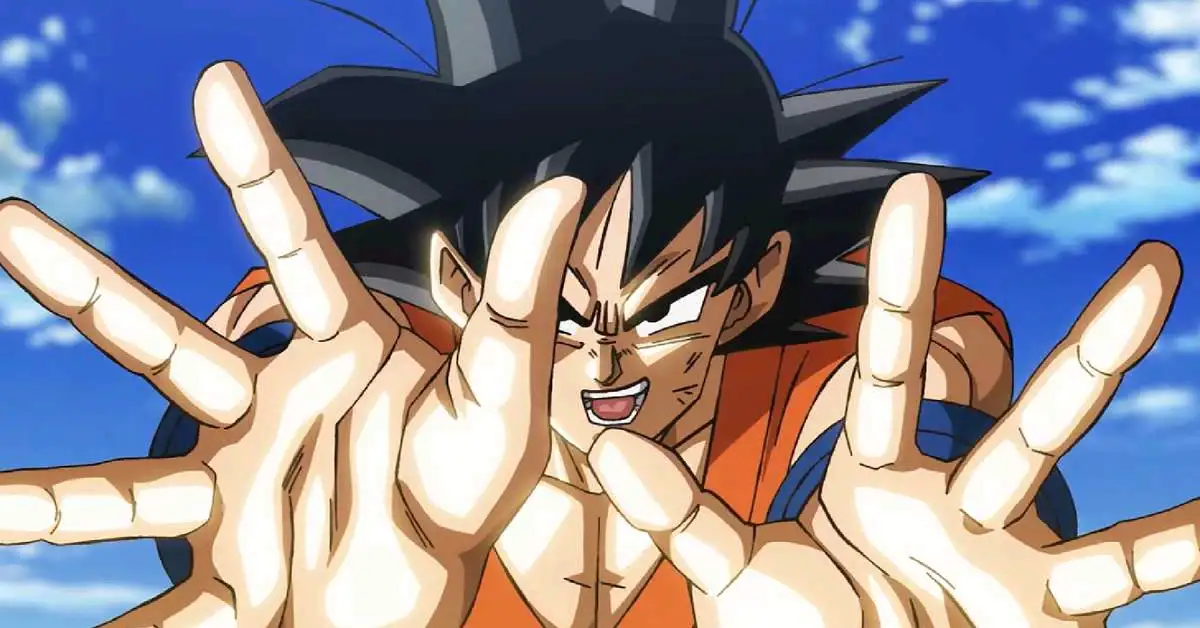
One Piece has sold more copies. Dragon Ball has left a deeper mark on global pop culture. The series has been referenced in Western hip-hop, professional athletics, and mainstream media for decades. Goku’s image is recognizable even to people who have never read a manga or watched an anime episode.
Akira Toriyama died on March 1, 2024, at the age of 68. The global response to his passing, with tributes pouring in from every corner of the entertainment world, showed how far his work had traveled. The Washington Post called him the most influential Japanese artist of the modern era after Hayao Miyazaki. The Harvey Awards inducted him into its Hall of Fame in 2024.
A Dragon Ball store opened in Tokyo in November 2025 to mark the franchise’s 40th anniversary, featuring statues of Son Goku and a massive ceiling decoration. The comic books had sold more than 260 million copies in Japan and worldwide by that point, according to Shueisha.
“The stories told in Japanese manga and anime are incredibly powerful. I often find myself wondering, ‘What is missing in Western comics, and why aren’t they able to achieve the same flavor?’”
That quote comes from DC Comics publisher Jim Lee, who spoke to Nikkei XTrend about the gap between manga and Western comics. The fact that a top executive at one of the world’s biggest comic publishers points to manga’s storytelling power is a reminder of the standard Toriyama set for the entire medium.
You May Also Like:









What the Numbers Cannot Tell You
One Piece holds the Guinness World Record for the most copies published of a comic series by a single author. That record is real, and it is not going anywhere. Eiichiro Oda has built a universe that spans 114 tankōbon volumes and 1,175 chapters, and the Elbaf Arc is pushing the story toward its final act.
But the all-time sales crown rewards longevity as much as it rewards impact. A series that runs for nearly 30 years has more time to accumulate volumes than one that ended after 42 volumes in 1995. Dragon Ball did not have that advantage. What it had was a blueprint.
Every shōnen manga that followed, including One Piece, walked through a door that Dragon Ball opened. Oda himself has said it plainly. The record books belong to One Piece. The legacy belongs to Dragon Ball.
Also Read: One Piece Chapter 1195 Spoilers: Zoro Overpowers Sommers, Sanji Prepares for Major Power-Up
For more insights into the manga and anime industry, stay tuned to VvipTimes for the stories that go beyond the sales charts.


Leave a Reply