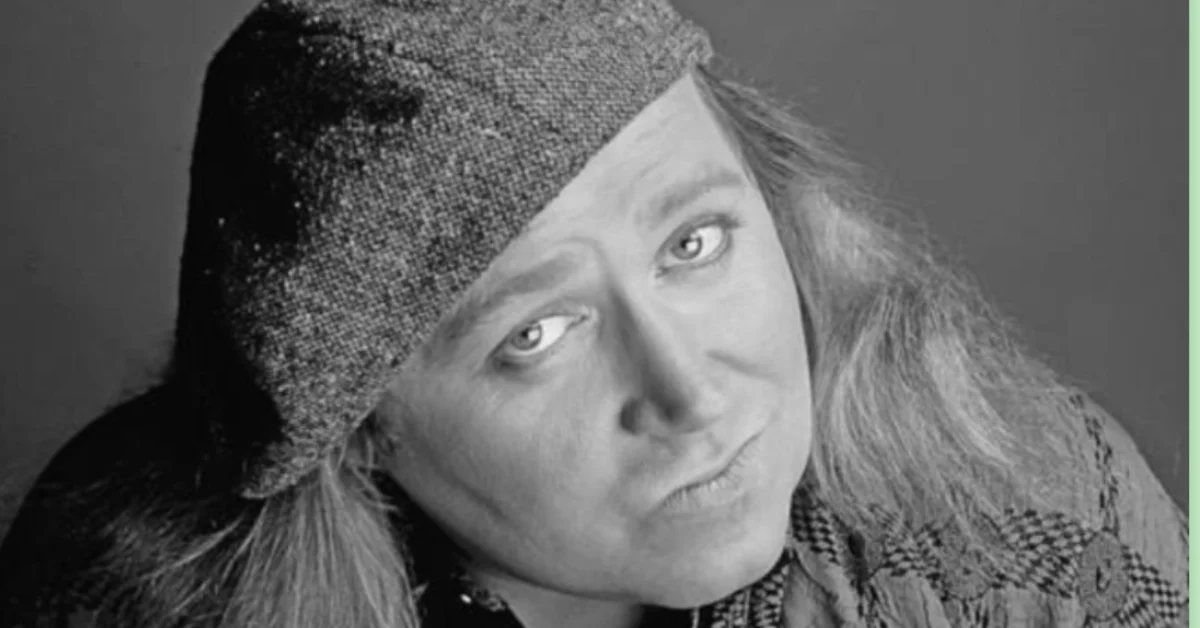

Sam Kinison, the stand-up comedian known for his explosive, preacher-style delivery, died in a car accident in 1992 at age 38. More than three decades later, his name is back in the entertainment trade papers—not for a new comedy special, but for a business deal. The Buchwald talent agency has signed Kinison’s estate to develop new commercial opportunities around his name and likeness. The centerpiece of that deal is an AI-powered avatar of Kinison, built by the technology platform Uare.AI.
The arrangement puts a late comedy icon into the same representation system that manages living actors, writers, and performers. It also places Kinison’s estate on one side of a growing divide in the entertainment industry: estates that choose to license a deceased performer’s digital likeness for controlled projects, and estates that fight unauthorized AI recreations in court. The difference between those two paths is already shaping how comedy legacies are handled in the AI era.
A Comedy Career Built on Volume and Volatility
Sam Kinison’s stage persona was impossible to ignore. A former Pentecostal preacher, he turned his pulpit training into a stand-up style built on sudden outbursts, sustained screams, and sharp, acerbic commentary. He released five comedy albums during his lifetime. In 1994, he received a posthumous Grammy Award for the album Live from Hell in the Best Spoken Comedy Album category.
His television presence was equally distinct. Kinison appeared multiple times on The Tonight Show Starring Johnny Carson and The Late Show with David Letterman. In 1986, he hosted Saturday Night Live. He also appeared in Rodney Dangerfield’s film Back to School. After his death, a 1993 Fox television special featured tributes from Dangerfield, Robin Williams, and Jim Carrey. Radio host Howard Stern repeatedly cited Kinison’s influence on comedy.
That career generated a recognizable voice, a specific physical presence, and a performance style tied to Kinison’s own body and energy. Those are exactly the elements an AI avatar is designed to reproduce.
How the Kinison Avatar Deal Works
Buchwald’s agreement covers the estate’s name-and-likeness rights. The agency is working with Bill Kinison, the comedian’s brother and former manager, to identify where the avatar can be used. Uare.AI developed the digital model of Kinison. The platform was founded by Rob LoCascio, who previously founded the customer-communication company LivePerson.
Buchwald says the avatar can be used to “expand opportunities” for Kinison “across multiple verticals”. That language is broad, and no specific projects have been announced. The deal is a representation agreement, not a production deal. Buchwald will seek placements for the avatar in media, advertising, and other formats where a recognizable comedy name carries commercial value.
Bill Kinison framed the agreement as a continuation of his brother’s career rather than a replacement for it.
“Sam was always on the cutting-edge of comedy and entertainment, and with the genius of Uare.ai’s work and the Buchwald agency’s vision, we’re keeping the promise of my brother’s legacy alive,” Bill Kinison said in a statement. “I can’t wait to see what Sam will do!”
The statement emphasizes legacy and continuity. It does not specify whether the avatar will perform new material, recreate existing routines, or appear in formats that mix archival content with AI-generated output.
Uare.AI: From Legacy Preservation to Personal Replicas
The technology behind the Kinison avatar comes from a company that has shifted its business focus. Uare.AI was previously known as Eternos, a startup built around preserving a person’s voice and stories for loved ones after death. The company rebranded as Uare.AI and raised $10.3 million in seed funding led by Mayfield and Boldstart Ventures.
Uare.AI’s core product is built on what the company calls the Human Life Model, or HLM. The framework uses an individual’s own data—voice recordings, personal stories, areas of expertise, and decision patterns—rather than general training data from large language models. The company describes its output as an “Individual AI,” a digital counterpart trained on a specific person’s identity rather than a generic chatbot.
That distinction matters for an estate deal. A model built from Kinison’s own recorded material is intended to sound and respond like Kinison, not like a general comedy AI. The technical question of how closely the avatar captures his timing, unpredictability, and live-audience energy remains unaddressed in the public materials around the deal.
The Other Side of the AI Comedy Boom: Lawsuits and Consent
Kinison’s estate is taking a licensed path. Other comedy estates have taken a litigated one. The estate of George Carlin sued the makers of the podcast Dudesy over an hour-long AI-generated comedy special titled George Carlin: I’m Glad I’m Dead. The lawsuit alleged violations of Carlin’s right of publicity and copyright. Carlin died in 2008.
Carlin’s daughter, Kelly Carlin, described the special as “a poorly-executed facsimile cobbled together by unscrupulous individuals to capitalize on the extraordinary goodwill my father established with his adoring fanbase”. The lawsuit stated that none of the defendants had permission to use Carlin’s likeness or a license to use his copyrighted material. The dispute later settled, with the podcast agreeing to remove the special and refrain from using Carlin’s image, voice, and likeness without permission.
The contrast between the Kinison and Carlin situations is the clearest way to understand what is at stake. Kinison’s brother and estate are active participants in the avatar deal. Carlin’s estate went to federal court to stop an avatar project it did not authorize. Both cases involve a dead comedian’s voice and likeness. The legal and ethical difference is consent, control, and who gets paid.
The Wider Market for Dead Celebrity Avatars
Kinison is not the first entertainment figure to enter this market. Michael Caine licensed his voice to ElevenLabs, joining the estates of Stan Lee and Judy Garland in voice-cloning deals. The estate of Val Kilmer authorized the use of his likeness in the film As Deep As the Grave, a project Kilmer had been cast in before his death. The filmmakers said the use followed SAG-AFTRA guidelines. The View co-host Sunny Hostin also licensed her likeness to a digital platform.
These deals vary in scope. Voice licensing for audiobook narration is different from a full visual avatar. A film performance using a late actor’s likeness under union guidelines is different from a comedy avatar that may generate new dialogue or interact with audiences. The Kinison deal falls into the least-defined category: a representation agreement for an avatar with no announced projects, no public technical specifications, and no disclosed limits on what the avatar can say or do.
The absence of detail is not unusual for a first announcement. It does mean that the practical shape of the Kinison avatar will be determined project by project, with Buchwald and the estate approving each use.
What the Deal Does and Does Not Confirm
The Buchwald signing confirms several facts. The agency represents the Kinison estate. Uare.AI built the avatar model. Bill Kinison is involved in deciding how it is used. The deal is intended to generate business opportunities across multiple media formats.
The announcement does not confirm a standalone Kinison AI comedy special, a tour, a hologram production, or a scheduled release date. It does not confirm how the avatar will handle new jokes, whether it will perform in real time, or whether audiences will see a full-body rendering or a voice-based interface. Those decisions are part of what Buchwald will try to sell to buyers.
The deal also does not resolve the broader industry debate over AI and comedy. That debate includes questions about fair pay for living writers and performers, the use of copyrighted material in training data, and whether audiences will accept a digital version of a comedian whose appeal was rooted in a live, physical, unpredictable presence.
Why This Deal Is Different From a Hologram or a Replay
A hologram tour or a posthumous comedy album uses existing recordings or a fixed visual projection. An AI avatar is generative. It can produce responses, combinations, and content that the original performer never recorded. That is the commercial appeal and the ethical risk in the same package.
For Kinison, the risk is particularly visible. His comedy was built on shock, volume, and a sense of danger. An avatar that reproduces the scream but not the judgment behind it could easily become a caricature. Bill Kinison’s statement suggests the family sees the technology as a way to keep the promise of the legacy alive. The market will decide whether the output feels like Kinison or like a machine wearing his voice.
You May Also Like

The Buchwald deal places the Kinison estate in the licensed, estate-approved lane of the AI avatar business. The Carlin lawsuit showed what happens when an estate is left out of that lane. For now, Kinison’s second act is a representation agreement with no public performance attached—a business signal that dead comedians are now part of the talent-agency economy, with all the contractual and ethical questions that come with it.
Also Read: Actor Awards 2027: Diversity Worries Overshadow the Race for Film and TV’s Biggest Prizes
For more entertainment news and analysis, visit VvipTimes.