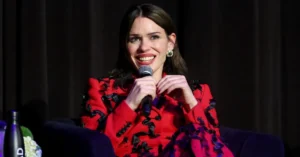
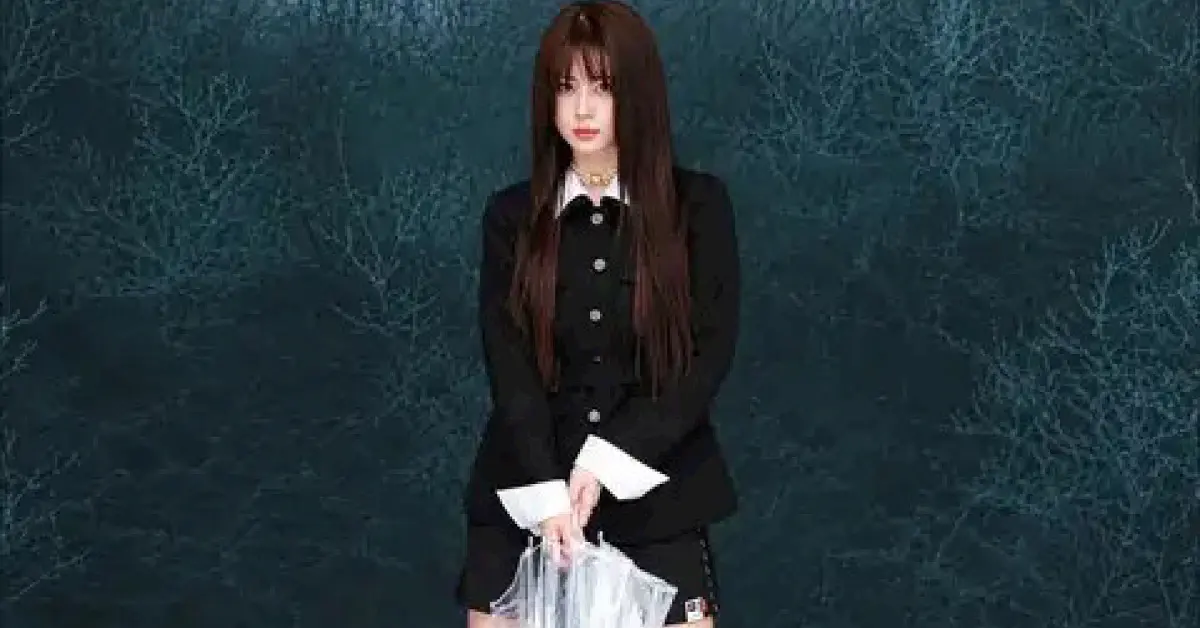

Zhao Zhaoyi was 27 years old when she sat down for a podcast interview that would put a hidden part of film work on full public display. Speaking on Lai Kuanlin’s podcast Guishan Township 2 on November 27, 2026, the actress described a night shoot where a director used an open walkie-talkie channel to make a sexual comment about her body, heard by the entire crew. The comment itself was crude. The reaction that followed was bigger: anger, a rush to identify the unnamed director, and a fresh look at a quiet rule that many women in the industry have been told to accept without question.
What Zhao Zhaoyi Said on the Podcast
Zhao described a late-night filming session. The crew was tired. The director picked up a walkie-talkie, a channel every crew member could hear, and spoke about her in front of everyone. She repeated his words on the podcast: “Don’t be so petty. The guys have stayed up late with you for this scene. Just show a little to everyone, let them relax.”
She said the comment made her “furious” and that she “could not be cheerful at all” in that moment. The open channel made the remark public. She could not respond privately. She described a feeling of being “pressed down” and powerless, a direct reference to the power gap between a new actress and a director who controls the set.
Zhao did not name the director. She did not name the project. She did not give a year. Those details were left out of the podcast, and no official statement has confirmed them since.
The Internet’s Response: Anger and a Guessing Game
The podcast clip spread quickly across Chinese social media. The topic reached the top of Weibo’s trending list on November 27, 2026. The reaction split into two visible streams.
One stream was direct anger. Comments under news reports called the comment harassment, not a joke. One widely shared reaction said: “So who is the director? When will this behavior be dealt with?” Another comment drew a line beyond entertainment: “It’s not just showbiz. Some companies are like this too, always using low, vulgar topics as social tools.”
The second stream was a guessing game. Users pulled together a list of directors Zhao has worked with, based on her public filmography, and began matching names to the story. The unofficial list included Fu Dongyu (Being a Hero), Gao Linbao (The Romance of Hua Rong season one), Ren Haitao (The Romance of Hua Rong season two), Zhu Chunyong (Unbelievably Clear), Cao Dun and Gao Xiang (The Wolf Hunter), and several others.
No name on that list has been confirmed. Zhao did not provide enough detail to identify the person, and the list is a fan-made compilation, not an official document. Media reports covering the list noted the same gap: a name being on the list does not mean that person is the director Zhao described.
The ‘No Women on Camera Boxes’ Rule and Its Roots
The walkie-talkie comment was not the only subject Zhao raised. She also mentioned a rule she learned early in her career: women are not allowed to sit on camera equipment boxes. She grouped this rule with the director’s comment under one phrase: “subtle malice.”
The camera box rule is not new. Other actresses have spoken about it before. Guo Xiaoting and Wen Qi have both said in past interviews that women are kept away from camera boxes because of a belief that women are “unclean” or bring bad luck to a production. The belief is old. The rule is unwritten. But it is still passed down on sets.
Lai Kuanlin, who hosted the podcast and now works as a director, did not brush the comment aside as a joke. He said he is “dedicated to breaking such rules” and warned that letting this kind of workplace culture continue will only lead to more damage.
Why the Director’s Name Remains Unspoken
Zhao’s choice not to name the director is a central part of the story, not a missing detail. She described the comment and the powerlessness she felt. She did not turn the podcast into a public accusation against a specific person.
That choice has consequences. Without a name, the internet’s guessing game can pull innocent directors into a story they have no confirmed connection to. A fan-made list is not evidence. Media reports that circulated the list also noted that Zhao never gave the project name, the year, or any detail that could identify the set.
The absence of a name also keeps the focus on the system rather than one person. The walkie-talkie comment happened on an open channel. The camera box rule is passed down from crew to crew. Both are examples of what Zhao called “subtle malice” — not a single loud incident, but small, repeated signals about who has power and who is expected to absorb discomfort.
You May Also Like




What This Story Is Really About
The comment Zhao described is shocking on its own. The reaction around it shows something broader. A 27-year-old actress used a podcast to describe a moment from earlier in her career, and the internet responded by asking who the director was, whether the comment counts as harassment, and why a rule about camera boxes still exists in 2026.
Zhao’s account has not been independently verified beyond her own words on the podcast, and no director or production team has issued a public response. The facts currently available come from her statements and the podcast recording. The guessing list is not a fact. The camera box rule is confirmed by multiple actresses who have spoken about it before.
What remains is a clear record of what Zhao said: a director used an open walkie-talkie to ask her to show her body so the crew could relax, and she felt too powerless to push back in the moment. That record now sits alongside a growing conversation about the unwritten rules that new actresses are expected to learn and follow.
For more stories on entertainment industry workplace issues and the people speaking about them, visit VvipTimes.