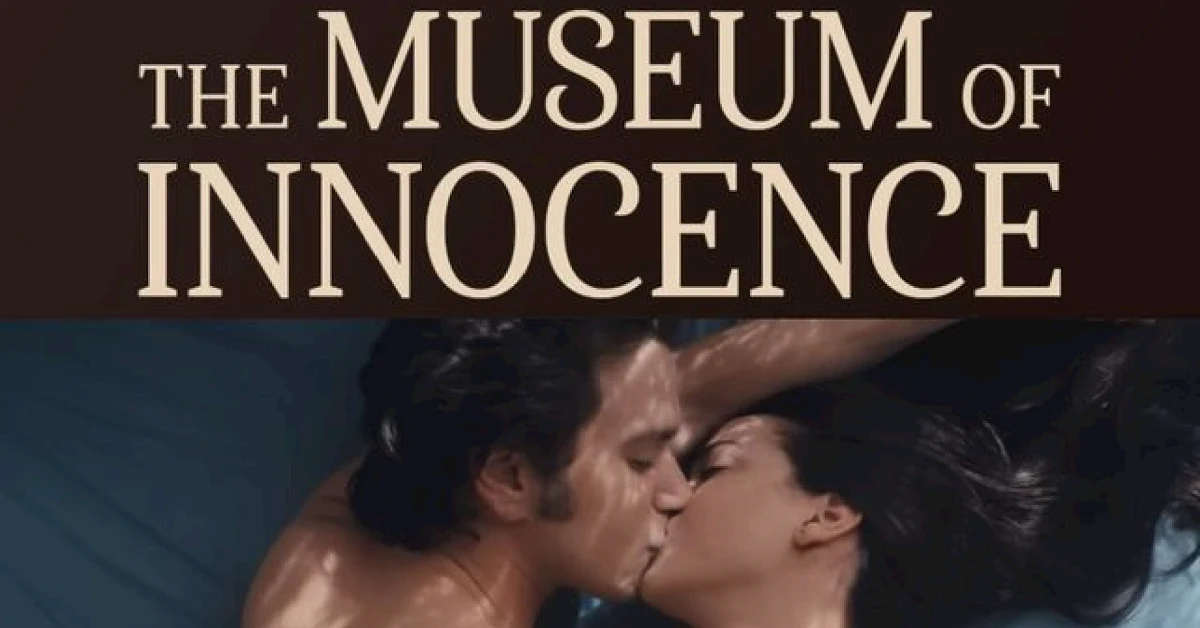
The new Netflix series The Museum of Innocence has arrived on the streaming platform, and viewers are already asking a simple question: did any of this really happen? The show, which premiered globally on February 13, 2026, tells the story of a wealthy man’s obsessive love for a younger woman in 1970s Istanbul. But here is where things get interesting—while the characters are fictional, there is an actual museum in Istanbul filled with thousands of objects that you can visit today .
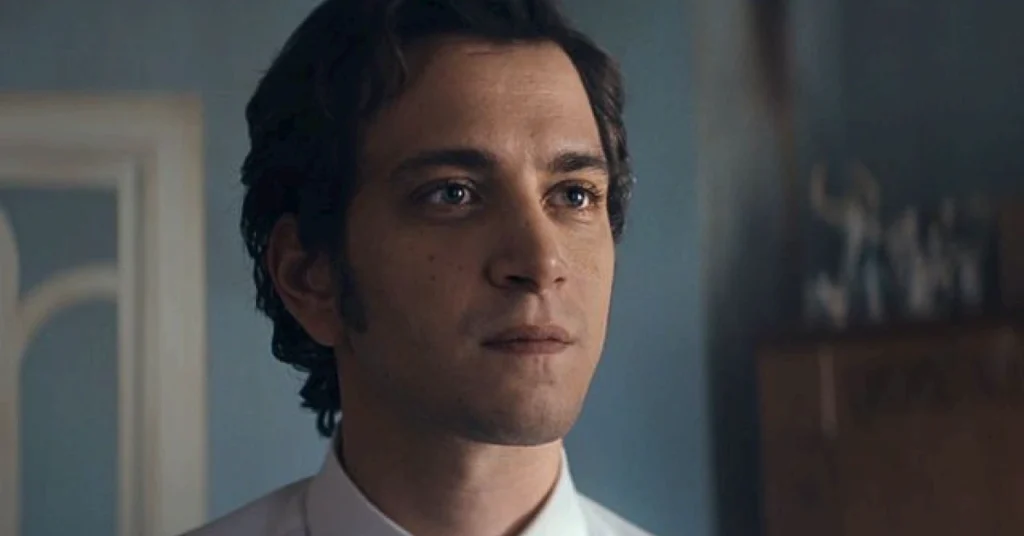
The nine-part limited series stars Selahattin Paşalı as Kemal, a man from a wealthy Istanbul family whose life changes forever after encountering his distant relative Füsun, played by Eylül Lize Kandemir. What follows is a decades-long journey of longing, heartbreak, and an unusual collection of everyday items that Kemal gathers to hold onto his memories .
The Real Story Behind the Fiction
The Museum of Innocence is not based on a true story in the traditional sense. There was no real Kemal who spent eight years collecting cigarette butts from the woman he loved. However, the series is deeply connected to reality through its creator, Nobel Prize-winning author Orhan Pamuk .
Pamuk published the novel “The Museum of Innocence” in 2008. But he did something unusual—he built an actual museum in Istanbul at the same time he was writing the book. The museum opened to the public in 2012 in a red-painted house in the Cukurcuma district, an area known for its antique shops .
The author has admitted to being a collector himself. He gathered many of the objects displayed in the museum—old photographs, salt shakers, family keepsakes, and trinkets from bazaars—before he even wrote the story. The novel grew out of these real objects, which means the fiction was born from actual things you can touch and see.
What You Will Find Inside the Real Museum
Visitors to the museum in Istanbul walk through 83 display cases, matching the 83 chapters of the book . The most famous display is a wall holding 4,213 cigarette butts. Many still show lipstick stains, others look angrily stubbed out. Each one is pinned carefully and labeled with the date and circumstances when Kemal collected it from Füsun over an eight-year period starting in 1976 .
The collection includes hundreds of other everyday items: bits of jewelry, clothing, photographs, cinema tickets, and bottles of Meltem soda that were popular in 1970s Turkey. These ordinary objects become extraordinary because of the love—and obsession—attached to them .
Visitors from around the world have been flocking to the museum since the Netflix series started promoting its release. Staff at the museum report about 500 visitors daily, more than double the normal number . One visitor named Songul Tekin, 28, who loved the book, told reporters she believes some of it really happened. “It’s told in real depth. There has to be some truth in it because otherwise you would never have so many objects and so much detail,” she said .
If you have a copy of the Turkish version of the novel, you can enter the museum for free by showing the ticket printed on page 485 .
Orhan Pamuk’s Fight to Protect His Story
The journey to bring The Museum of Innocence to the screen was not easy. Pamuk had a bad experience years ago when a Hollywood production company wanted to adapt the book. When he saw their script, he was horrified by the changes they planned, including making Füsun pregnant—a major shift from his novel .
“I was so dissatisfied and unhappy with my first try with Hollywood, I decided I wouldn’t allow anyone to make a film of any of my books without seeing the complete script first,” Pamuk explained .
He spent two years and enormous legal fees fighting to get the rights back. In 2022, he won the case and started fresh with Turkish production company Ay Yapım, known for international hits like “Endless Love” and “Fatmagul” .
This time, Pamuk kept tight control. He did not ask for money upfront or sign a contract until the complete script was finished. For 18 months, he met with the scriptwriter every two months, going over each page like a teacher checking homework. He would criticize, suggest improvements, and shape the story to match his vision .
Kerem Catay, the producer from Ay Yapım, confirmed Pamuk’s deep involvement. He noted that the series took four years to complete, longer than any project in his 19 years in the business. “Orhan Bey has high standards,” Catay said, using an honorific Turkish title. The process required going through the script page by page, and for two years, no contract existed—meaning Pamuk could have walked away at any time .
The Series Cast and Release Details
The Museum of Innocence premiered globally on February 13, 2026, just in time for Valentine’s Day weekend . The entire nine-episode first season dropped at once, allowing viewers to follow Kemal’s eight-year journey of collecting and heartbreak without waiting .
Selahattin Paşalı stars as Kemal, tracking his character’s fall from a confident wealthy socialite to a man completely consumed by longing. Eylül Lize Kandemir plays Füsun, the young woman who becomes the center of Kemal’s world. The supporting cast includes distinguished Turkish actors Oya Unustası, Tilbe Saran, and Ercan Kesal .
The series was directed by Zeynep Günay, who Pamuk specifically wanted for the project. The author noted that after his novel was published, some Turkish feminists criticized him for telling the story mainly from the male perspective. Having a woman director, he believes, brings more attention to the heroine’s point of view .
Pamuk himself makes a brief appearance in the series, adding a special touch for careful viewers .
1970s Istanbul Comes to Life
One of the most striking elements of the series is its detailed recreation of 1970s Istanbul. The production built sets based on the Nisantasi neighborhood as it looked decades ago. This is the same area where Pamuk grew up in a wealthy, secular family .
The story captures a specific moment in Turkish history, when the country was balancing its Ottoman past with Western aspirations. The clothing, architecture, and social customs shown in the series reflect years of research to maintain historical accuracy .
Pamuk has written extensively about Istanbul throughout his career. Many of his characters exist in places drawn from his memories—buildings, streets, and shops from his childhood. When he walks through his old neighborhood now, he sees modern shopping malls and chain stores replacing the wooden houses and local shops he once knew. “This neighborhood has changed so much that it’s difficult to still love it,” he said .
What Viewers Are Saying
Early reactions to the series show that viewers are responding strongly to the central question the story raises: what is love? Is it obsession, an affliction that derails a life, or a great and innocent happiness? .
Some critics find the story unsettling. Joel Keller from Decider wrote that the show gives off strong “You” vibes, referring to the Netflix series about a dangerously obsessive man. He questioned whether the relationship between Kemal and the 18-year-old Füsun comes across as romantic or predatory, given the age and wealth differences .
Others appreciate how the series challenges viewers to think about the line between deep love and unhealthy fixation. The physical museum itself, with thousands of collected objects, forces visitors and viewers alike to consider what it means to hold onto memories through things .
Aydin Deniz Yuce, a psychologist visiting the real museum, told reporters he is convinced that Selahattin Pasali’s handsomeness will help create a believable Kemal for modern audiences .
Also Read:



Turkish Series Reach Global Audience
The Museum of Innocence represents another milestone for Turkish television, which has exploded in popularity worldwide. Turkish dramas, known as “dizi,” now reach viewers in 170 countries. Global demand for these shows rose 184 percent between 2020 and 2023 .
In 2024, Turkey became the world’s third-largest exporter of television series, behind only the United States and the United Kingdom . The Netflix adaptation of Pamuk’s novel brings this Turkish storytelling tradition to an even wider international audience.
Visitors to the museum reflect this global reach. On a single day, an AFP correspondent spotted guests from China, Hungary, Italy, Japan, and Russia exploring the displays . Two sisters from China’s Hubei province, Zeng Hu and Zeng Lin An, said they were now eager to read the book and watch the series, even though Netflix is not available in China .
The series has been produced in Turkish and dubbed or subtitled into English and other languages, making it accessible to viewers around the world .
Also Read: Marriage Toxin Anime Confirms April 2026 Release Date With New Trailer and Cast Announcements
For more engaging content on the latest series, celebrity news, and streaming releases, keep visiting VvipTimes for stories that bring you closer to the entertainment world.