After a rollercoaster of corporate politics and personal collapse, Kim Nak-su’s story concludes not with a dramatic return to the top, but with a quiet acceptance of a different life. The final episode of the JTBC drama, which aired on November 30, 2025, provided a resolution that many viewers found surprisingly powerful in its realism. Nak-su, once defined by his title and his apartment in Seoul, ends his journey washing cars for the very company that cast him aside, finding a peace that his high-status job never provided. The finale achieved the series’ highest viewership, peaking at 8%, proving that this story of ordinary struggle connected deeply with its audience.
A Final Chapter of Humble Work and Personal Peace
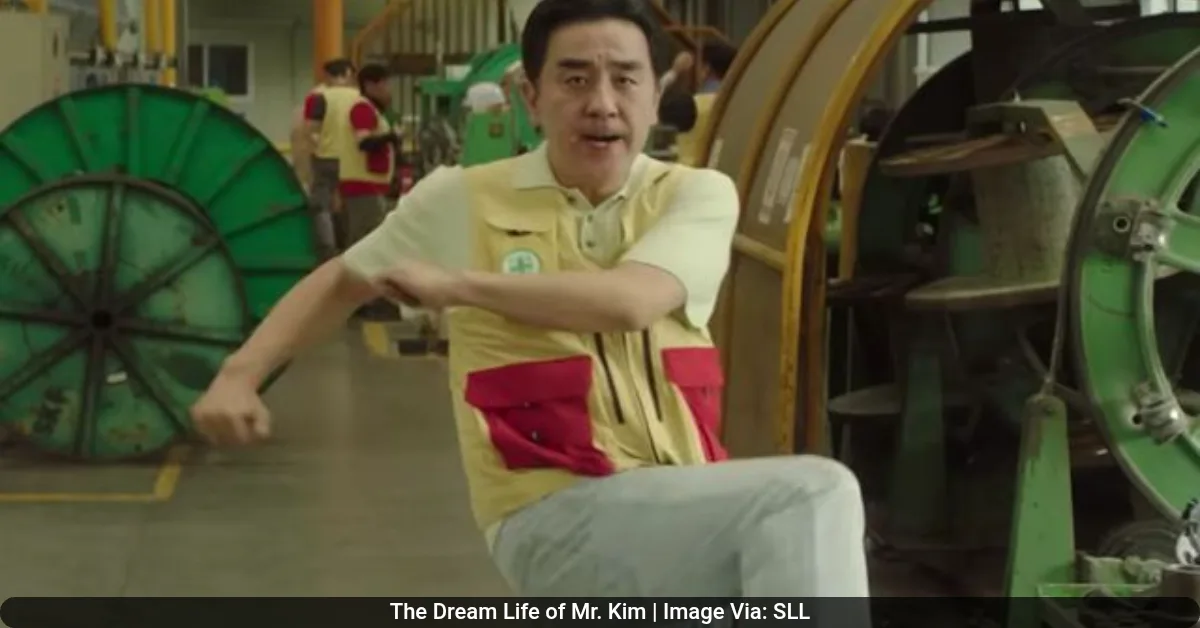
The conclusion sees Nak-su, played by Ryu Seung-ryong, fully settled into his new reality. He and his friend Tae-hwan successfully win a contract to wash the corporate vehicles for ACT, the large company where Nak-su was once a manager. In a poignant full-circle moment, Nak-su is even forced to clean the car of a former executive, Jeong-tae. Instead of shame, he meets the moment with a calm dignity, standing tall. This act symbolizes his completed journey: his worth is no longer tied to his job title or who he serves.
His home life, once strained by his pride and singular focus on status, has healed. He now makes time for regular walks with his wife, Ha-jin, and their relationship has noticeably softened and improved. The storyline involving his son, Su-gyeom, also wraps up on a positive note, with the young man finding success in a T-shirt business venture and confessing his feelings for his friend Han-na. The family’s crisis, triggered earlier when Ha-jin listed their Seoul apartment for sale to handle financial pressures, has given way to a new stability built on transparency and shared effort.
The True Meaning of Nak-su’s “Dream Life”
The ending powerfully answers the central question posed by the drama: what defines a successful and meaningful life? For Nak-su, the “dream life” he thought he was living—a managerial position and property ownership—proved to be fragile, like a “sandcastle” that could be washed away by corporate restructuring or bad luck. The series, based on author Song Hee-koo’s novel, uses Nak-su’s story to explore identity.
“Real estate is merely the backdrop. Through the titular Mr. Kim, I wanted to pose the question: ‘Who am I?’”
The finale argues that the answer is not found in external validation. Nak-su’s ultimate peace comes from shedding the “irrational pride” that haunted him, embracing honest work, and recommitting to his relationships. His quiet victory is in choosing healing and presence over a relentless chase for status.
A Mirror for a Generation: Why the Story Resonates
The deep connection viewers felt with Nak-su’s plight stems from its stark realism. The struggles depicted—promotion battles, pressures for voluntary retirement, and the anxiety of financial instability—felt less like fiction and more like a documentary to many. Nak-su and characters like him represent a specific generation. Born in the early 1970s, they entered the workforce determined to devote their lives to a company, only to find that the traditional promise of job security had vanished.
As the show’s author noted, we now live in “an era in which assets outweigh labor in importance”. This generational shift left diligent salarymen like Nak-su struggling to keep pace. His shouted plea after a demotion, “I’m still useful!” resonated because it captured the fear of being deemed disposable after decades of service. The drama became a reflection for viewers, with many online comments stating, “It reminds me of my father’s story,” or expressing how Nak-su’s journey felt “heartbreaking” in its relatability.
Also Read:









From Page to Screen: The Origin of a Relatable Story
The authenticity of “The Dream Life of Mr. Kim” is rooted in the real-life experiences of its creator. Song Hee-koo, the author of the original novel “The Story of Manager Kim,” worked for 14 years in overseas sales at a major corporation. He began writing the story during his 11th year at the company, posting chapters online before they were compiled into a book that sold over 400,000 copies. Song was adamant that his story be adapted into a television drama, believing that more people needed to meet Mr. Kim.
The drama, directed by Jo Hyun-tak, slightly toned down the real estate focus of the novel and expanded the stories of supporting characters to broaden its emotional scope. This approach, combined with Ryu Seung-ryong’s grounded performance, transformed a personal story into a widely shared cultural moment. The show’s ratings grew steadily from a modest debut, finally claiming the top spot in Netflix Korea’s chart and culminating in its peak rating for the finale.
Fan Reactions to a Satisfying and Realistic Conclusion
The drama’s finale has been met with widespread appreciation for its thoughtful and earned conclusion. Fans and reviewers have praised the show for choosing a “warm, realistic” ending over a sensational or neatly tied-up one. The message that resonated most powerfully was the show’s core idea: chase happiness, not status. Seeing Nak-su find contentment in simple, honest work and in mending his family relationships provided a cathartic and hopeful note for viewers.
Many pointed to the pivotal scene where Nak-su’s wife, Ha-jin, embraces him after he returns home defeated. Her line, “What are you sorry for? You’ve done well, Manager Kim,” was highlighted as a profound moment of grace and recognition that his value was never truly tied to his executive title. The ending did not promise that all financial or career problems were solved, but it firmly showed that the most important healing—within oneself and one’s family—had begun.
Also Read: G-Dragon’s MAMA Awards Performance Sparks Backlash and Audio Controversy