
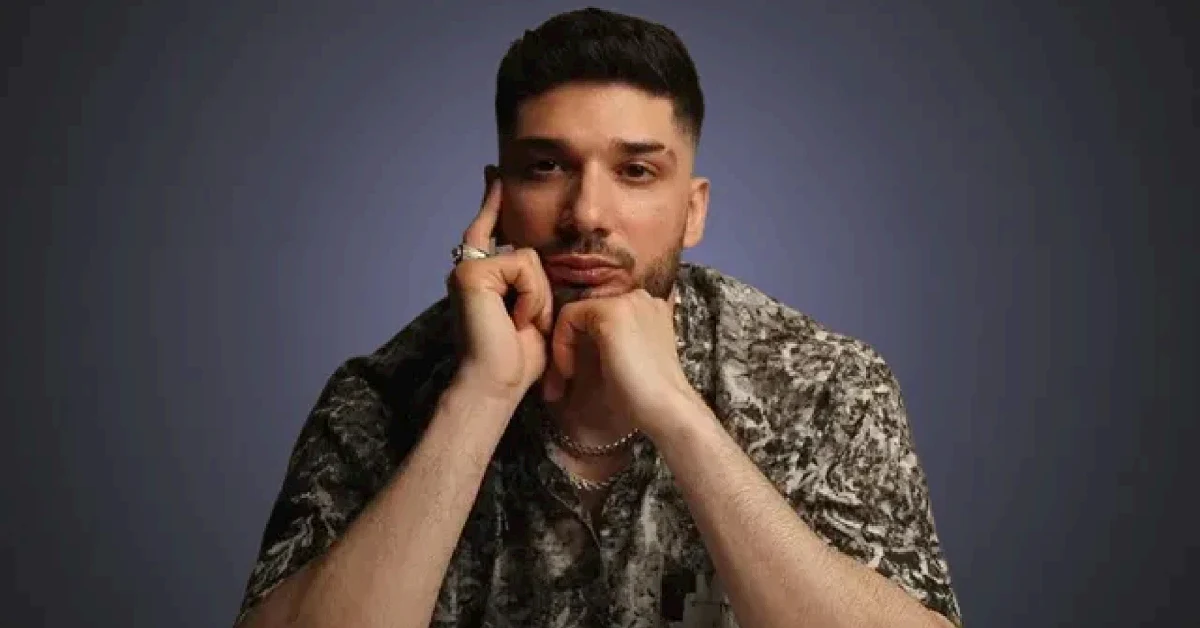
Indian rapper KR$NA recently opened up about his track “Boom Shaka” turning into a protest anthem for students across the country. The song, which released in April 2026, took on a completely new meaning when it started playing at student demonstrations in June and July. KR$NA admitted he was caught off guard by how his music became the voice of a movement.
“Boom Shaka” became one of the most recognized tracks at protest sites, with students playing it on portable speakers and phones during demonstrations. The song amassed 76 million views on YouTube as of August 21, making it one of KR$NA’s most-watched music videos ever.
KR$NA Opens Up About the Song’s Unexpected Journey
In a conversation with Hindustan Times, KR$NA shared his honest reaction to the song’s transformation. He said he had “no idea” the track would take on this shape.
“Ye gaana usse thoda pehle aaya tha (This song had just come out), but it just happened since it was already picking up on social media at that time. Meta pe already trending tha gaana.”
The rapper explained that “Boom Shaka” was already gaining attention online before the protests began. The song released on April 28, 2026, under the Kalamkaar record label. It featured KR$NA alongside Haryanvi rap artist Dhanda Nyoliwala, with music produced by Phenom.
The track generated significant buzz within its first month. But it truly exploded after people started using clips of the song in videos from student protests at Jantar Mantar and other locations across India.
Raftaar Compares Boom Shaka’s Resurgence to Michael Jackson’s Beat It
KR$NA’s fellow rapper Raftaar, who judges the show “Legacy” alongside him, made an interesting comparison. He likened the sudden popularity of “Boom Shaka” to how Michael Jackson’s “Beat It” came back to number one after his biopic released in 2026.
“Michael Jackson ko kahan pata tha ki 2026 mein be dobara se number one ho jaayega dobara Beat It (Did Michael Jackson know that Beat It would be number one again in 2026).”
KR$NA agreed with the comparison and added his own perspective.
“Basically it’s just (the right) time and place sometimes.”
The rapper’s simple explanation pointed to how certain songs find their moment, connecting with people in ways nobody expects.
Indian Hip-Hop Community Shows Up in Person
KR$NA didn’t just watch from the sidelines. He joined the protests in person, with videos of him attending demonstrations circulating widely online. Fans appreciated that he chose to show up on the ground rather than limit his support to social media.
The rapper became part of a larger movement within India’s hip-hop scene. Several other prominent artists also attended protests across different cities.
Hanumankind was among the first mainstream rappers to join the demonstrations in person. He attended in solidarity with students and earned praise for using his influence to amplify the movement.
Encore ABJ from Seedhe Maut was spotted at a protest, standing with students and demanding accountability.
Raftaar appeared at the Mumbai protest outside The Pavilion, greeting students and raising slogans in support. His videos went viral across social media.
Emiway Bantai also joined the movement. He released a song called “bolra hai sadak” dedicated to the students and their demands. He was later seen at Delhi’s Jantar Mantar, where he met protesters and showed his support in person.
Protest Music Finds New Voices
The student protests that began in June brought together thousands of young people demanding educational reforms and accountability. The demonstrations grew larger after Sonam Wangchuk’s hunger strike turned the issue into a national story. On July 20, the youth took to the streets, and the response from authorities with baton charges and tear gas only strengthened their resolve.
Music became a powerful part of the movement. Students played songs on phones and portable speakers while camping out in Delhi’s heat or braving the Mumbai rains. Apart from “Boom Shaka,” tracks like DIVINE and Dub Sharma’s “Azadi” from the film Gully Boy also became anthems for the protests.
Songs from other DHH rappers like Seedhe Maut and MC STAN became mainstays at the demonstrations. The hip-hop community emerged as one of the strongest voices supporting the student movement, with many artists showing up in person rather than staying silent.
You May Also Like:




KR$NA’s Two Decades in Indian Hip-Hop
KR$NA has been active in Indian hip-hop for nearly two decades. He has delivered several important hits throughout his career. “Boom Shaka” stands out as one of his most successful tracks, crossing over from the rap world into the realm of activism.
The song’s lyrics, which include lines like “kare ab boom shaka laka, kare bandook shaka laka,” took on new meaning when students adopted it as their anthem.
As of August 21, “Boom Shaka” had reached 76 million views on YouTube. The track also entered the national streaming charts, reaching number 21 on the country’s top streaming list.
The song’s success showed how music can find new life beyond its original purpose. What started as a high-energy Desi Hip-Hop collaboration became the soundtrack for a generation demanding change.
Many celebrities stayed quiet during the protests, but the rap community chose to stand alongside students. They showed support through their music and by showing up where it mattered most.
KR$NA’s reaction to his song becoming a protest anthem reflected his honest surprise. He didn’t plan for “Boom Shaka” to become a movement’s voice. The song simply found its moment at the right place and time.
For more entertainment news and updates, keep following VvipTimes for the latest stories from the world of music, movies, and pop culture.


Leave a Reply