

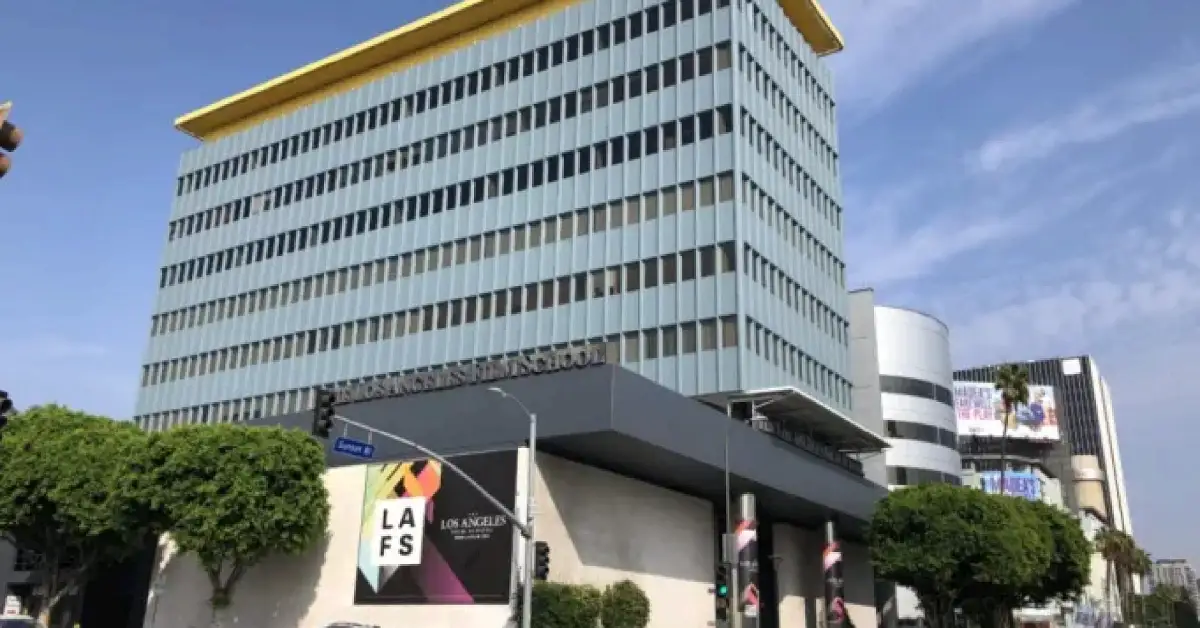

A federal judge has thrown out a whistleblower lawsuit that accused the Los Angeles Film School of inflating job placement numbers to keep federal student aid flowing. The ruling came with a sharp warning about artificial intelligence in the courtroom: the claimants’ attorney must pay a $5,000 fine for filing a legal brief written by ChatGPT that cited a case which does not exist.
The Lawsuit at the Center of the Ruling
Two former executives at the school filed the False Claims Act suit in 2024. Dave Phillips, a former vice president of job placement, and Ben Chaib, a former vice president of admissions, alleged that the school paid outside vendors to hire its own graduates for short-term jobs. Those jobs lasted only long enough for the school to count the graduates as employed and protect its access to federal student aid money.
Schools that receive federal student aid must show that a certain share of graduates find work in their field. The lawsuit claimed the Los Angeles Film School built a system that looked like compliance on paper while hiding the real outcomes from government auditors. The school had already paid $1 million in 2020 to settle a Department of Education audit that examined job placement and other issues. The former executives argued the school did not fully disclose the scope of the problem during that audit.
Why the Judge Dismissed the Case
U.S. District Judge Stanley Blumenfeld issued the ruling on Friday, October 23, 2026. He dismissed the suit with prejudice, which means the claims cannot be filed again. The reason was not the quality of the underlying allegations. The judge found that much of the conduct described in the complaint fell outside the six-year statute of limitations.
The statute of limitations issue gave the school a procedural win. The dismissal ended the case before a jury could weigh the fraud claims. The ruling closed a legal fight that had been moving through the Central District of California since the complaint was filed.
The ChatGPT Brief That Cited a Fake Case
The most unusual part of the ruling involved a 76-page brief filed in April 2026 by the claimants’ attorney, Mark Kleiman. The brief cited a case called Darwich v. Department of Economic Security, which does not exist. It also cited two real cases that did not support the legal point for which they were used. One of those real cases was authored by Judge Blumenfeld himself.
Phillips later admitted that he drafted the brief using ChatGPT and gave it to Kleiman to review. Kleiman filed the brief with a disclaimer that attempted to distance himself from its contents, saying he was only filing it to meet a deadline. A week after submitting it, Kleiman told opposing counsel that his clients had written it with AI and that he planned to withdraw from the case.
“Kleiman filed an obviously deficient brief that he had not even fully read and for which he did not check whether the citations were to real cases — let alone that they supported the brief’s assertions — despite knowing that his nonlawyer clients had prepared the brief using AI.” — Judge Stanley Blumenfeld
The Judge’s Reasoning on Sanctions
Judge Blumenfeld described Kleiman’s conduct as “a sustained pattern of neglect” and pointed to violations of court orders and ethical standards. The judge also criticized the AI-generated opposition brief for containing “almost no citations to legal authority” and for making arguments that appeared disconnected from the False Claims Act and Ninth Circuit law.
The $5,000 fine was imposed on Kleiman alone. Phillips and Chaib were not sanctioned, even though the judge noted they were “not blameless” in the AI use. The reason was simple: they are not lawyers, and the court’s disciplinary power over legal filings applies to attorneys.
The People Behind the Claims
Dave Phillips worked in job placement at the Los Angeles Film School. Ben Chaib worked in admissions. Their lawsuit named James “Bill” Heavener, the school’s owner, and Diana Dercyz-Kessler, the school’s CEO. The complaint alleged that both instructed school officials “to focus strictly on the appearance of compliance” with the federal 70% job placement benchmark.
The school itself has not issued a public comment on the dismissal. TheWrap reported that it reached out to the Los Angeles Film School for comment.
Related Stories







View all articles about
What the Ruling Means for the School and the Case
The dismissal with prejudice removes the immediate legal threat the lawsuit posed to the Los Angeles Film School. The school does not face a trial or a potential judgment from these claims. The $1 million settlement from 2020 remains the only financial resolution tied to the job placement issues described in the complaint.
For Kleiman, the $5,000 sanction is a public court record of the AI filing problem. The ruling adds to a growing set of federal court decisions addressing lawyers who submit AI-generated work without checking the citations. The Darwich case does not exist, and the two real cases cited in the brief did not support the arguments Kleiman filed.
Also Read: Anne Hathaway Warns Job Seekers: Your ChatGPT Thank-You Notes Are Not Fooling Anyone
For more coverage of entertainment industry legal battles, film school news, and courtroom developments, keep reading VvipTimes.



















Leave a Reply