
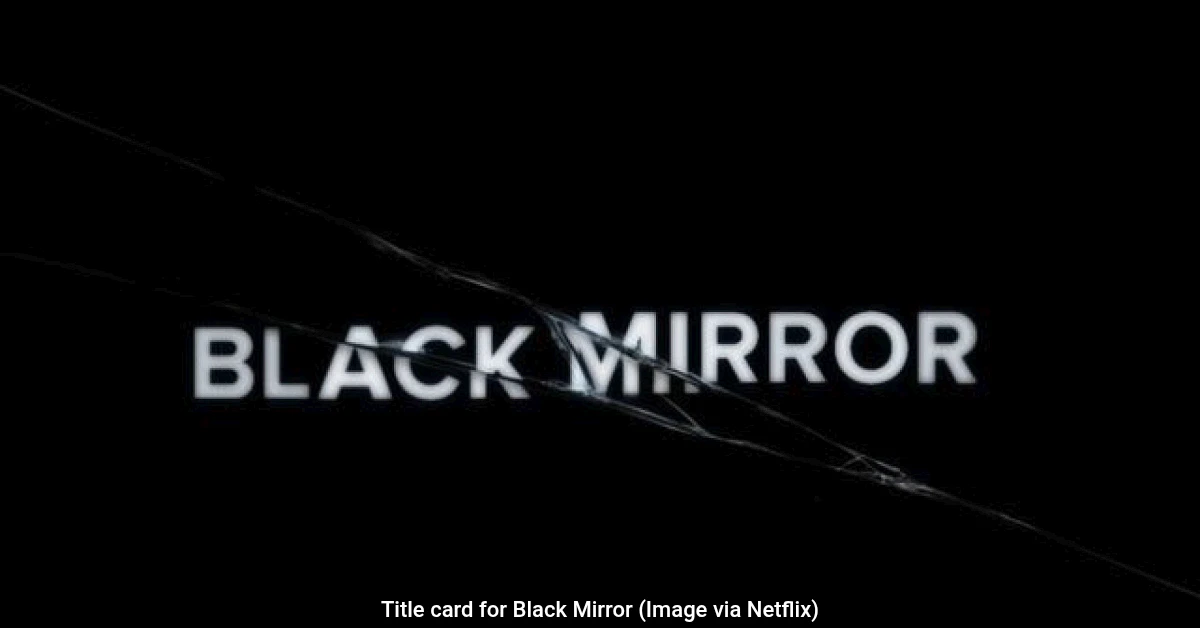
The show Black Mirror often attracts younger viewers with its stylish, futuristic look and themes about technology and social media. However, parents should look closer before letting their kids watch. The series is an anthology, meaning every episode tells a different story with new characters and settings. This format allows the show to explore extremely dark, violent, and psychologically intense scenarios that are not suitable for children or young teenagers. Common Sense Media, a trusted resource for parents, recommends the series for viewers aged 15 and older due to its graphic and disturbing content.
The show’s creator, Charlie Brooker, uses technology as a backdrop to examine human nature, often focusing on fear, anxiety, and moral failure. While the stories are speculative fiction, the emotions and social criticisms are very real and can be emotionally heavy for young minds to process. The series holds a TV-MA rating in the United States, which means it is specifically designed for mature audiences.
What Parents Need to Know About Violence and Fear
Black Mirror frequently contains scenes that are both violent and psychologically scary. The level and type of violence can change dramatically from one episode to the next, but it is a consistent element across the series. Episodes have shown kidnappings, bloody stabbings, murder, and disturbing assault. The violence is often not just physical but also emotional, involving intense power dynamics, psychological torture, and deeply unsettling situations.
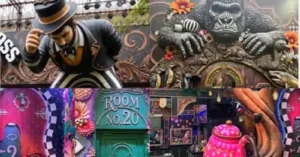
For example, the episode “Black Museum” involves a storyline where a man’s digital consciousness is repeatedly tortured as a carnival attraction. Another episode, “Metalhead,” presents a post-apocalyptic world where humans are hunted by robotic dogs, creating a relentless sense of dread. These stories are designed to provoke fear and anxiety, which can be too intense for younger viewers. Common Sense Media notes that the images presented can be particularly disturbing or frightening.
Sexual Content and Nudity in the Series
Sexual themes and nudity are common in many Black Mirror episodes. Content ranges from innuendo and implied intimacy to simulated sex acts with partial nudity. Because each episode is standalone, the explicitness can vary. Some episodes feature more prominent romantic or sexual plots as central elements of the story.
The acclaimed episode “San Junipero,” which follows a romantic connection between two women in a simulated reality, includes sexual elements and implies deeper levels of intimacy. Other episodes may include more graphic or unsettling sexual scenarios that tie into the story’s dark themes. Parents should be aware that this content is not presented in a lighthearted or casual manner but is often woven into complex and mature narratives about relationships, identity, and consent.
Frequent Strong Language and Substance Use
The dialogue in Black Mirror regularly includes strong profanity. Words like “f–k,” “s–t,” “bitch,” and “ass” are commonly used throughout various episodes. This mature language is another consistent factor contributing to the TV-MA rating.
References to drinking, drug use, and smoking also appear. Characters are shown drinking alcohol and exhibiting drunken behavior, and cigarette smoking is present. Some episodes feature plotlines involving medical treatments or drugs used for purposes like euthanasia. While substance use is generally not the central focus of an episode, it is a recurring part of the show’s depiction of its various worlds and characters.
The Heavy Themes and Psychological Impact
Beyond specific scenes of violence or intimacy, the overall themes of Black Mirror are what make it most challenging for young audiences. The series is built on a foundation of social satire and dark commentary. It explores ideas about surveillance, grief, loss, identity, and the negative consequences of technological advancement. The tone is often cynical, portraying worlds where human flaws are amplified by new inventions.
The show is meant to be thought-provoking, but the thoughts it provokes are frequently pessimistic, complex, and emotionally draining. As one analysis noted, the show operates on “horrifying, too-plausible nightmare logic”. For a child or young teenager, these narratives can be confusing and deeply unsettling, going beyond typical scary movie thrills to question fundamental aspects of society and human nature. Reviews from younger viewers on Common Sense Media themselves advise caution, noting the show’s “disturbing and dark themes” and calling some episodes “particularly graphic and unsettling”.
Also Read:





How to Approach the Show With Older Teens
Given the mature content, Black Mirror is not recommended for family viewing with children. For older teenagers, parental guidance is strongly advised. If parents decide an older teen is mature enough to handle the content, the best approach is to watch episodes together and discuss them afterward. Parents should research specific episodes beforehand, as the content varies widely. Some episodes are notably more intense than others.
Talking about the show can be a way to engage with its ideas. Families can discuss the themes presented: What is the episode saying about social media, memory, or politics? Does the dark style make the point more effectively? How does technology both help and hurt in real life?. These conversations can help teens process the heavy material and think critically about the relationship between technology and society.
Black Mirror is available to stream exclusively on Netflix, which allows parents to use profile controls and viewing restrictions. The seventh series of the show was released in April 2025, continuing its tradition of standalone, speculative stories. Parents should remember that the shiny, tech-driven surface of the show hides stories that are, at their core, about human pain and societal fears. Making an informed decision requires looking beyond the aesthetic to the challenging content within each episode.
Also Read: Reacher Season 4: New ‘Gone Tomorrow’ Plot Will Test a Vulnerable Hero