

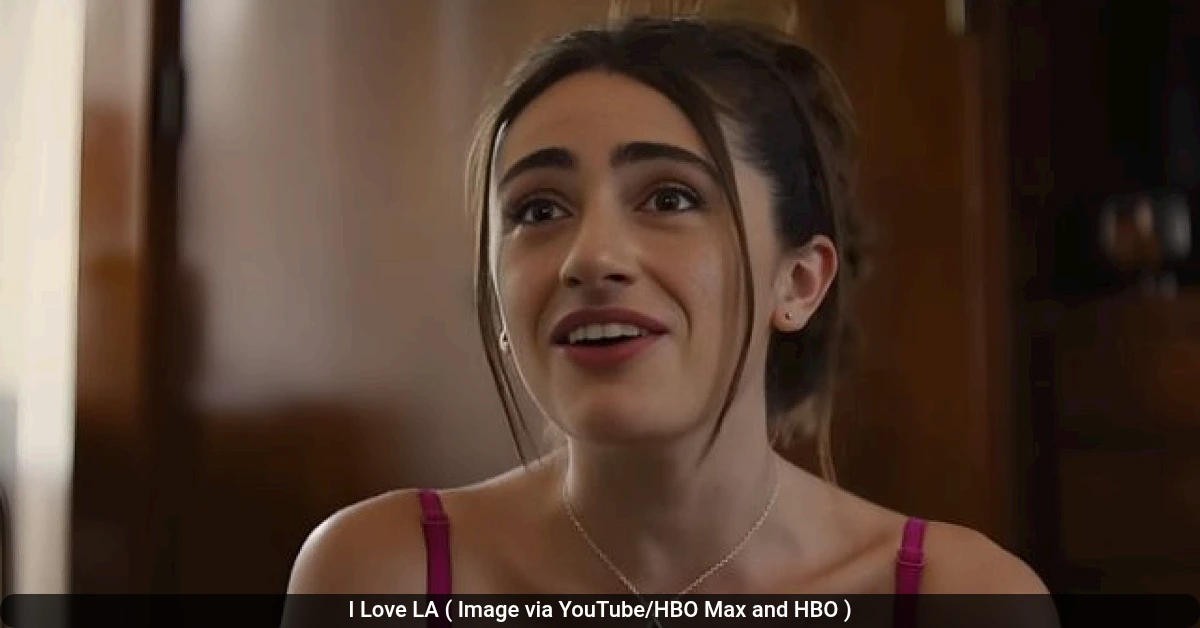
The HBO series I Love LA has generated significant discussion for its candid look at the lives of young adults in Los Angeles. The show, starring Rachel Sennott and Odessa A’zion, offers sharp comedy but contains content that parents should carefully review. The series holds a TV-MA (Mature Audiences) rating in the United States, with similar advisories globally, indicating it is specifically designed for adult viewers . For parents deciding if the show is suitable for their teenagers, a detailed look at the mature themes, language, and scenarios is essential.
What Parents Need to Know About “I Love LA”
Created by and starring Rachel Sennott, I Love LA centers on a tight-knit friend group in Los Angeles navigating careers, toxic friendships, and the pressures of social media influence . The show intentionally portrays its characters as deeply flawed individuals, a creative choice the cast has openly discussed. Sennott has stated that she prefers creating “interesting” characters that spark conversation rather than “perfect” ones .
Common Sense Media, an organization that bases its reviews on child development research, suggests the series may be appropriate for teens aged 15 and up, but strongly advises parental guidance due to consistent mature content . Other parent-focused reviews recommend it for older teens, around age 16 and above. The consensus is clear: this is not a family-friendly show and is intended for a mature audience familiar with adult-oriented comedy.
Detailed Breakdown of Mature Content
To make an informed decision, parents should understand the specific types of content featured in the series. The following breakdown covers the main areas of concern.
Sexual Content and Nudity
Sexual content is a prominent feature of I Love LA. The series includes scenes with:
- Explicit Sexual Activity: The first episode opens with a sex scene involving suggestive movements and audible moaning . Dialogue between characters is frank and includes vulgar talk about bodies and sexual acts .
- Graphic Nudity: Viewers see female breast and buttocks nudity during sexual moments. There is also brief male nudity, including rear and frontal scenes .
- Mature Themes and Jokes: The show features storylines and humor about casual sex tapes, requests for explicit photos, and specific sexual practices. One joke involves a character asking to be choked during sex .
Strong Language
The dialogue in I Love LA reflects the casual, heightened speech of its characters. Profanity is used frequently and includes words like:
- “f–k” and “f–king”
- “s–t”
- “bitch”
- “whore”
- “d–k”
This language is not reserved for dramatic moments but is woven into everyday conversations, setting a consistently adult tone .
Substance Use and Party Culture
Substance use is depicted as a regular part of the characters’ social lives. Parents should be aware of scenes showing:
- Frequent Drinking: Characters are often shown drinking alcohol at bars, parties, and other social settings. They sometimes drink to excess, leading to sloppy and emotional behavior .
- Drug Use: Characters smoke marijuana, including while driving. In one scene, a guest character is shown smoking cocaine, which another character comments on .
- Cigarette Smoking and Vaping: Smoking cigarettes is common for at least one character, and vaping is also shown .
Beyond Content: Themes and Role Models
The reasons for the TV-MA rating extend beyond specific scenes to the show’s core themes and the nature of its characters.
Questionable Character Behavior and Morality
The series focuses on young professionals in Los Angeles whose lives revolve around social climbing, personal branding, and chasing fame . Key characters regularly engage in irresponsible behavior, including:
- Using people for professional or social gain.
- Lying and engaging in self-sabotage.
- Prioritizing clout and online perception over genuine relationships .
As one character early in the series sighs, “What’s the point of being nice if no one who can help me sees it?” This line encapsulates a world where kindness is often transactional . While the show finds humor and occasional tenderness in these situations, it presents a muddy moral compass that may be confusing for younger viewers .
Portrayal of Influencer Culture and Social Media
I Love LA offers a critical yet immersive look at influencer culture. It depicts a world where social media metrics dictate self-worth, PR crises are treated as branding opportunities, and online interactions are a form of “emotional warfare” . For teenagers who are themselves navigating social media, the show could potentially glamorize a superficial and obsessive focus on online success and appearance .
Diversity and Representation
Parents may also note the show’s approach to diversity. The main cast consists primarily of young, conventionally attractive, white characters working in the entertainment industry . One of the central characters, Alani (played by True Whitaker), is a Black woman portrayed as a “nepo baby” from a privileged Hollywood background . The show has faced some criticism for this lack of broader representation, particularly the absence of Latino characters in a city where nearly half the population is Latino .
You May Also Like:








Cast Insights on the Show’s Content
The stars of the show have actively engaged in conversations about its mature and provocative nature. Rachel Sennott, who leads the series, explains that the writing aimed for empathy and nuance, acknowledging that people are not simply “good or bad” but exist on a spectrum .
“I would rather have an interesting character that starts conversation than a character that’s perfect,” Sennott says. Her co-star, Odessa A’zion, agrees: “That’s boring … I hope that people can see it’s just representing flawed people.”
The show also sparked a separate controversy when cast member Jordan Firstman (who plays Charlie) criticized the gay sex scenes in another HBO series, Heated Rivalry, for not being authentic. He later walked back his comments after significant online backlash from fans and the other show’s cast . This incident highlights the ongoing cultural conversations about representation and authenticity that I Love LA is part of.
Final Verdict for Parents
I Love LA is a comedy made for adults. Its TV-MA rating is a serious and accurate warning about the consistent presence of explicit sexual content, graphic nudity, very strong language, and substance use .
For families with older, mature teenagers, it could serve as a starting point for discussions about social media, toxic friendships, and career pressures. However, the content is undoubtedly too mature for younger teens and pre-teens. Parents are strongly encouraged to watch an episode first to judge its suitability based on their own child’s maturity level and their family’s values.
The series premiered on November 2, 2025, and airs on HBO, with all episodes available to stream on Max .
Also Read: Seven Sisters: Elizabeth Olsen’s New Family Drama Moves Forward on Hulu

