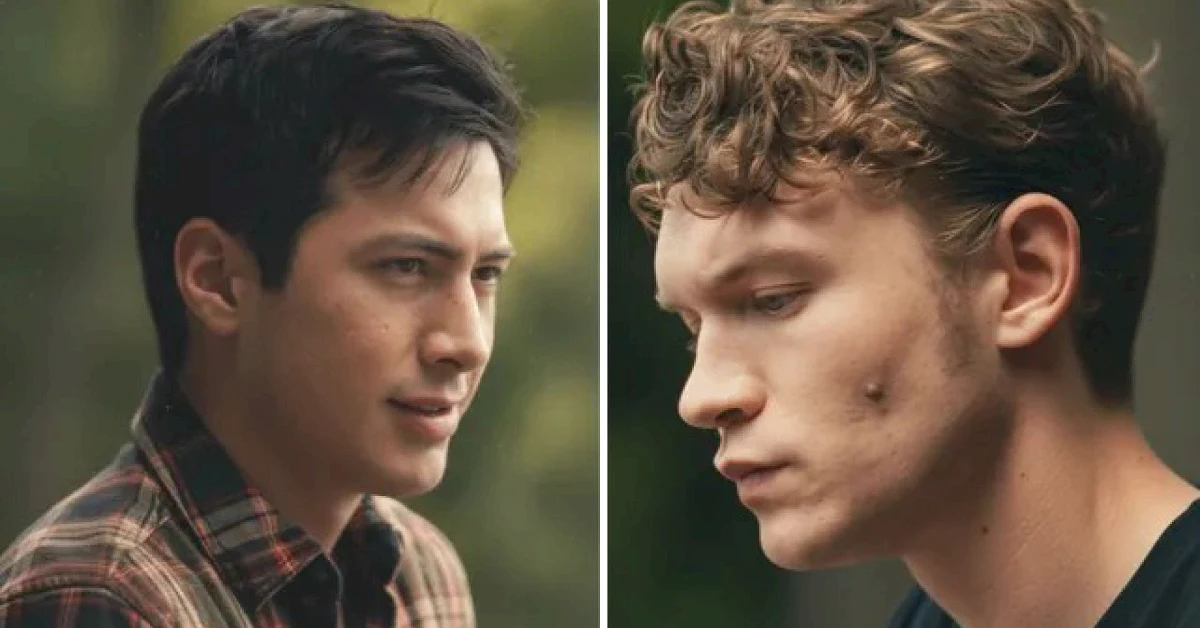
The climactic “I love you” from Ilya Rozanov to Shane Hollander in the Heated Rivalry finale was not just a romantic payoff—it was a character-defining declaration of permanence. For actor Connor Storrie, who brings the Russian hockey star to life, the moment signals that his guarded character is fully “locked in,” ready for a lifelong commitment after a season of intense yearning.
The first season of the global hit, which became an overnight sensation following its Thanksgiving weekend debut, concluded with its sixth episode, “The Cottage,” on HBO Max. The finale delivered the emotional catharsis fans craved, moving the secret relationship from hotel rooms and whispered confessions into the open air of a shared future.
The Weight of the Words: From Reluctance to Resolution
Throughout the season, Ilya was the character most resistant to labeling or publicly acknowledging the relationship. This made his being the first to say “I love you” in English—and in person—a significant turning point.
“Yeah, but I think this shows Ilya is in it for the long haul and he’s enthusiastic about that,” Storrie told Variety. “He’s also the first to refer to them as boyfriends.”
Storrie interprets this shift through the lens of Ilya’s background, describing him as a “grump” whose stoic, “eastern European” exterior hides a fierce, unwavering loyalty.
“That’s the thing about these eastern Europeans. They don’t let you in on it. But once you’re in, you’re in for life,” the actor explained. “Once Shane was in, Ilya was like, ‘You’re mine forever. I will do anything for you.’”
The Foundation of Ilya’s “Grump” Persona
To understand the profound meaning behind Ilya’s declaration, Storrie points to a tragic backstory revealed in the finale: Ilya was the one who found his mother after she died by suicide when he was twelve. This trauma, compounded by a family that refused to speak of it, fundamentally shaped the character.
“That point is everything to me… Those are situations that, not to sound hyperbolic, ruin people’s lives,” Storrie said. “I carry that with me in everything I do with Ilya: the phone call and why it’s so difficult to say something like ‘I love you.’… It’s everything.”
This history makes his vulnerability with Shane not just romantic, but a hard-won act of trust, framing his “I love you” as a milestone of immense personal courage.
The Cottage: A “Catharsis” and a “Happy Ending”
The setting for this confession was Shane’s remote cottage, a location Storrie was particularly excited to explore as an actor. He describes the episode as a necessary “catharsis” after a season where the characters fell in love at a distance.
“They get to be normal on some level, which is what [series creator] Jacob Tierney talks about when he says the ‘happy ending,’” Storrie said. “I think what he’s referring to is being emotionally regulated, emotionally aware enough to look each other in the eyes and be like, ‘I love you, let’s do this.’ And then whatever that looks like afterwards, they’re like, ‘We’re going to sign up for it. We’re signed up and we’re locked in.’”
Tierney deliberately crafted an ending focused on simple, earned happiness. “I wanted to leave the viewer with… the kind of warm, fuzzy feeling of them getting to be happy together,” the creator said. The final shot of the couple driving away, holding hands, was designed to be an elegant, simple portrait of two people finally “allowed to be in love”.
An Improvised Ride into the Sunset
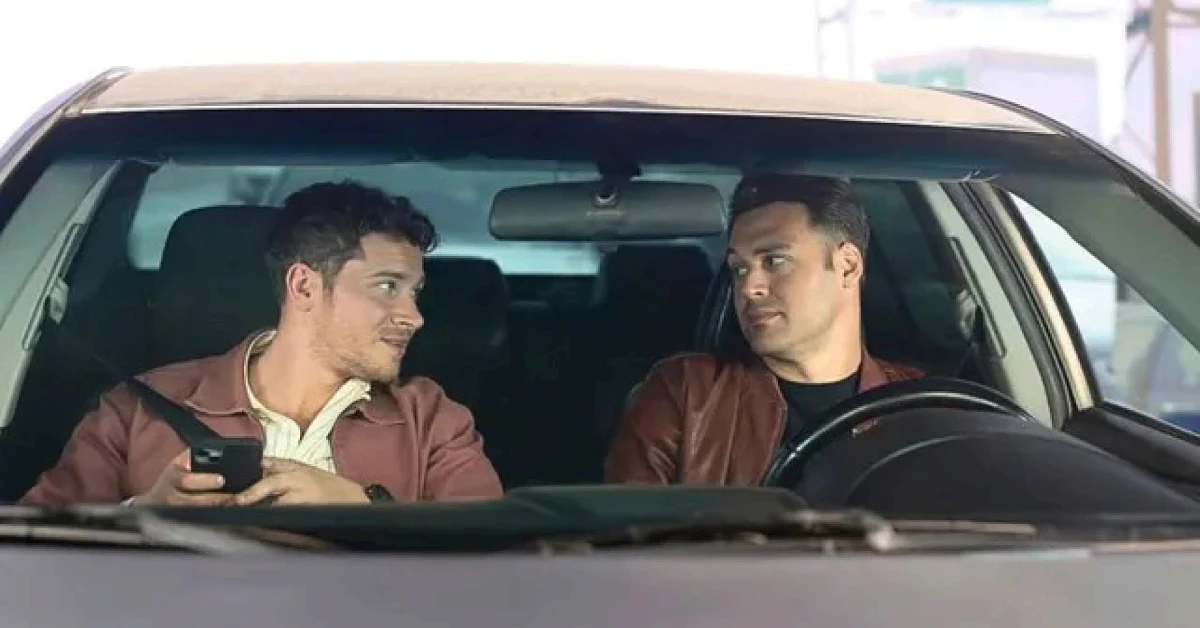
That final, wordless scene of Shane and Ilya driving off was partially improvised by Storrie and his co-star Hudson Williams. Director Jacob Tierney gave them simple instructions: “This is what ends our show. So just be Shane and Ilya after this drive”.
The first take, however, was more dramatic than intended. The actors sat in the car for the full length of the song playing, and both ended up crying.
“As actors, we were like, ‘We’re killing. We’re in it. This is real, we’re so in love,’” Storrie recalled. “Then the music stops and Jacob comes around and is like, ‘Alrighty, let’s do one where you guys don’t look like you want to kill yourselves. Let’s start over.’ He was like, ‘Be cute. This is happy. This is fun.’”
Williams shared that in the takes, they said “a lot of ‘I love you’s” and expressed disbelief at their characters’ journey, with the lines blurring between actor and role.
A Deliberate Departure from Tragic Queer Narratives
The show’s commitment to a “happy ending” was a conscious creative choice. Storrie noted that Tierney was “super vocal about not having this down-and-out gay story that ends in tragedy”.
This resonated deeply with audiences. Following a pivotal, public coming-out moment for another couple in Episode 5 that was celebrated by viewers as a “triumphant” and “cathartic” break from tragic LGBTQ+ storytelling, the finale doubled down on hope and healing.
A key addition not found in Rachel Reid’s original novel was an extended conversation between Shane and his mother, Yuna, where she tearfully apologizes for making him feel he couldn’t be honest with her. Tierney called this a moment his “little gay heart just needed,” emphasizing its importance for the characters’ future.
Also Read:

Looking Ahead to Season 2
With Heated Rivalry already renewed for a second season, Storrie is looking forward to exploring the next phase of Ilya and Shane’s relationship.
“I’d like to just deepen that vulnerability,” he said. “We’ve played the game of discovery between Shane and Ilya, and now I want to play the game of knowing and understanding.”
The actor’s journey with the character, from a place of guarded trauma to one of open commitment, mirrors the show’s own mission: to present a queer love story where the drama comes not from the threat of tragedy, but from the courageous, complicated, and joyful work of building a life together.
Also Read: Pluribus Season 2 to Explore Manousos’ Failed Signal Experiment and Carol’s Uncertain Mission