
The series “Heated Rivalry” has become the most surprising television hit of 2025. Originally produced for a small Canadian streamer, this drama about two closeted professional hockey players has rocketed to the top of HBO Max’s viewing charts, ignited social media, and renewed a global appetite for queer romance. Its journey from a niche project to a mainstream phenomenon is matched in intensity only by the fierce debate it sparks about representation, intimacy, and the future of queer storytelling.
What Is Heated Rivalry?
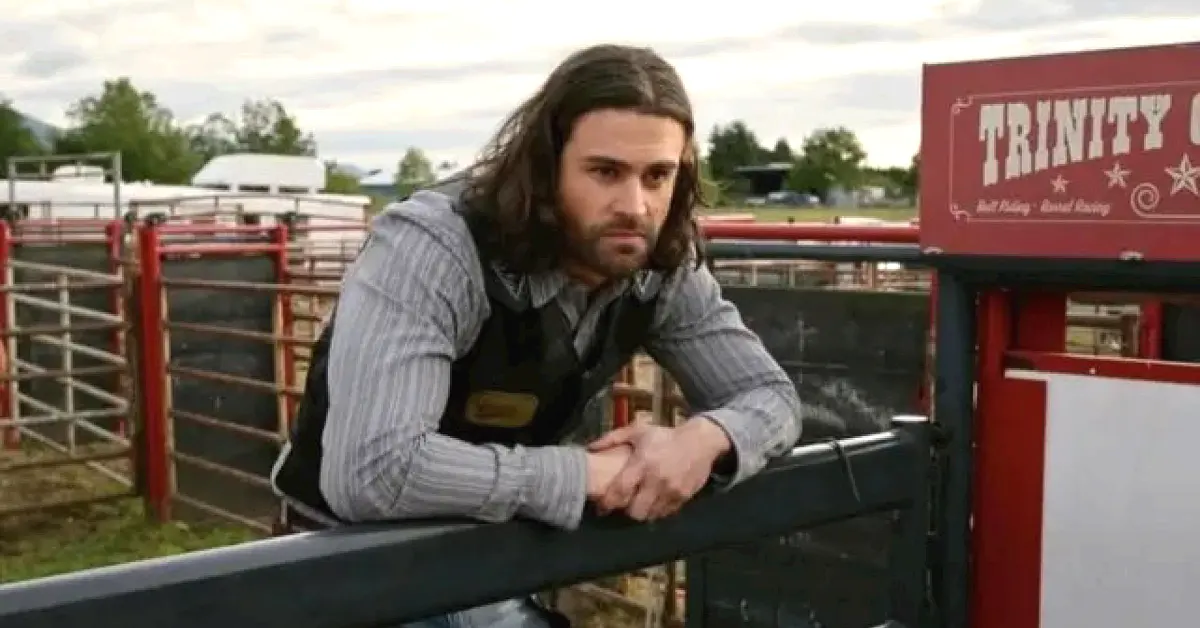
Heated Rivalry is a television adaptation of Rachel Reid’s bestselling 2019 romance novel of the same name, part of her Game Changers book series. The show follows the clandestine, decade-long relationship between Shane Hollander (Hudson Williams), a reserved Asian Canadian captain for the fictional Montreal Metros, and Ilya Rozanov (Connor Storrie), a cocky Russian star for the Boston Raiders.
Their story begins as a fierce on-ice rivalry that quickly combusts into a secret sexual arrangement, evolving over years into a complex emotional bond fraught with the fear of exposure. A parallel storyline follows another couple: Scott Hunter (François Arnaud), a closeted team captain, and Kip Grady (Robbie G.K.), his out-and-proud smoothie shop barista boyfriend.
Originally developed for the Canadian service Crave, the show was acquired by HBO Max just days before its late November premiere, expanding its potential audience by tens of millions of homes. The first season consists of six episodes, and its immediate success prompted an early renewal for a second season.
5 Reasons for Its Major Success
The show’s impact is undeniable. Here are the key factors driving its popularity.
1. Unapologetic and Artful Intimacy
The series distinguishes itself with a candid, unflinching approach to sex. In a television landscape where queer intimacy is often suggested or sanitized, Heated Rivalry presents these scenes as central, communicative acts. Creator Jacob Tierney stated his pitch was straightforward: “This is about two boys in love and a lot of sex”. Critics note the scenes are shot with an emphasis on mutual pleasure and emotional connection, focusing on expressions and touch rather than gratuitous imagery. This honesty transforms the physical relationship into the primary language through which Shane and Ilya’s story is told.
2. Electric Chemistry and Breakout Performances
The show’s foundation is the palpable chemistry between its leads, Connor Storrie and Hudson Williams. Both were virtual unknowns before landing these roles. Storrie brings a classical Hollywood swagger to Ilya, while Williams conveys Shane’s anxious vulnerability through nuanced microexpressions. Their off-screen friendship has further fueled fan enthusiasm. Tierney has said the show “was going to live and die based on this casting,” and their chemistry read immediately convinced the team. Author Rachel Reid enthusiastically approved, saying, “If I built the perfect actors in a lab, I could not have built better people”.
3. A Compelling, High-Stakes Setting
Placing a queer love story in the hyper-masculine, historically heteronormative world of professional hockey is a masterstroke. The setting isn’t just a backdrop; it actively raises the dramatic stakes. Every glance, text message, and hotel rendezvous carries the risk of career-ending exposure. This environment powerfully externalizes the internal conflict of living a double life. Reid, a hockey fan, wrote the books out of a love for the sport and a critique of its pervasive homophobic culture.
4. Broad, Cross-Demographic Appeal
While resonating deeply with queer audiences, the show has found a massive and vocal fanbase among women. This cross-over appeal is fueled by several elements. The sex scenes, free from the power dynamics often present in heterosexual portrayals, focus on mutual desire. The story also explores tender friendships between the male leads and their female confidantes, which provide emotional sanctuary. For some female viewers, the show offers an escape from frustrating heteronormative dynamics, presenting a fantasy where emotional and physical intimacy exists without traditional gender roles.
5. A Promising Signal for the Industry
Heated Rivalry has proven that a boldly queer story with explicit content can achieve mainstream commercial success. Its strong debut numbers and swift renewal send a clear signal to studios that audiences exist for such content. As one romance bookseller noted, producing a high-quality adaptation of a story queer readers love shows a growing recognition of their cultural and economic influence. Its success opens doors, demonstrating that queer-led stories can “pull numbers” and don’t need to be softened to find a wide audience.
Also Read:




5 Reasons for Criticism and Debate
For all its praise, the show has also been the subject of intense critique, focusing on its narrative choices and perspective.
1. A Perceived Narrow Vision of Gay Life
A major criticism, articulated in outlets like Slate, is that the show’s drama remains fixated on the closet and coming out—a narrative frame some argue is outdated. The critique suggests the story presents isolation as the default queer experience, ignoring the existence of gay community, social networks, and anonymous digital spaces that have long provided connection. In the show, women often function as narrative cover or beards, reinforcing the idea that heterosexuality is the only alternative to a secret same-sex affair.
2. Questions About Authenticity and “The Gaze”
Debate persists about who the show is authentically for and whose perspective it centers. The source material was written by a woman, and a significant portion of the fervent fanbase is female. This leads to questions about whether the show sometimes presents a fantasy of gay male life tailored for an outside gaze, rather than reflecting the granular realities of it. While director Jacob Tierney is gay, the adaptation hews closely to Reid’s novels, which exist within the specific conventions of the romance genre.
3. The Glossy Privilege of Its World
The characters inhabit a world of extreme privilege—they are rich, famous, and physically idealized. For some viewers, this creates a barrier to connection, feeling more like an unattainable fantasy than a story that reflects everyday queer struggles with family, work, or economics. The critique extends to the show’s focus on internal identity struggle over external homophobia; the structural prejudice of institutions like sports leagues remains largely an atmospheric threat rather than an actively examined force.
4. The Overwhelming Focus on Sex
While the explicitness is a draw for many, some viewers and critics feel the sheer volume of sex scenes can overwhelm other aspects of the plot and character development. This has led to the show being reductively labeled as “smut” by some, a tag that fans and creators argue overlooks its emotional depth. The intensity also limits the show’s accessibility, making it difficult to recommend or watch in shared family spaces, which some argue can hinder the broad reach of queer stories.
5. The Weight of Representing Everyone
As with any high-profile queer narrative, Heated Rivalry faces the impossible burden of representing the entire spectrum of LGBTQ+ experience. Some viewers have expressed frustration that its specific story of two closeted athletes does not reflect their own realities. This tension, however, highlights a persistent issue in media: the demand for more diverse queer stories so that no single show has to serve as a stand-in for all.
The Cultural Moment and What’s Next
The conversation around Heated Rivalry is arguably bigger than the show itself. It arrives during a period some have called “heteropessimism,” where many women express frustration with straight relationship dynamics. The show’s depiction of male vulnerability and emotionally attentive sex, free from traditional gender performance, has struck a chord.
For the queer community, it represents a pushback against a trend of “safe” and often sexless representation. As critic Kaiya Shunyata wrote, the show “stands out in a wasteland of recent queer television that plays it too safe”.
The show has already boosted the profile of its source material, with Reid’s Game Changers series hitting the New York Times bestseller list years after its initial publication. Its first season finale premiered on 26th. With a second season confirmed, the story of Shane, Ilya, and their world is just beginning.
Also Read: Complete Guide to Watching Spartacus: From Ancient Rome to Modern Streaming