

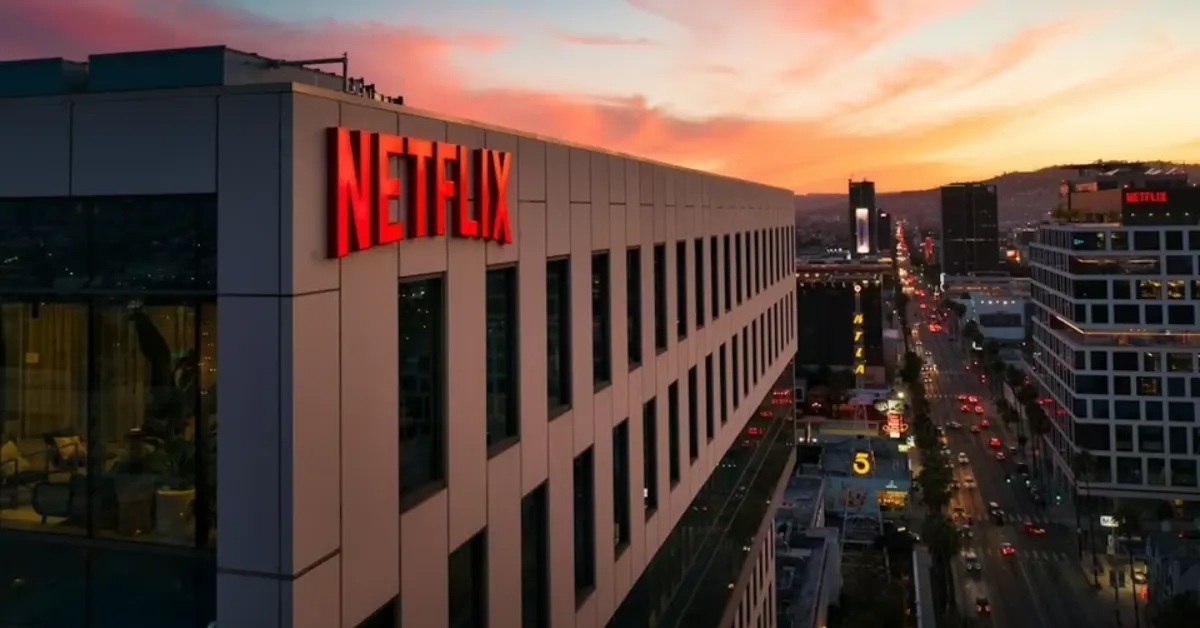

Netflix is dealing with a problem that is hard to see from the outside. Subscribers are not canceling in large numbers, but they are using the service less. Internal data reviewed by Bloomberg shows that customers are opening the app on fewer days each month and spending less time watching than they did a few years ago. The company tracks this with a metric called QPD, or qualified play days. The numbers have worried Netflix leadership and investors, even as the company remains profitable and continues to add subscribers in many parts of the world.
What the Internal Numbers Show
The QPD metric measures how often customers open the Netflix app on a monthly basis. According to people familiar with the data, that number has been falling. The average customer is also watching fewer hours per month. Research firm Jefferies estimates that monthly viewing per member dropped from about 66 hours in the first half of 2023 to about 49 hours in the first half of 2026—a fall of roughly a quarter. Total viewing hours across the platform still rose by about 2% in the first half of 2026, but that increase came from adding new subscribers, not from existing users watching more.
Third-party data backs up the internal picture. Apptopia, a firm that tracks mobile app use, found that the share of US subscribers who did not open the Netflix app rose 16.6% in the third quarter of 2026 compared with the same period a year earlier. The trend is not limited to one metric or one research firm. Multiple sources point to the same pattern: people are keeping their subscriptions but engaging less with the service.
The Password Crackdown Effect That Never Faded
The decline in engagement began after Netflix cracked down on password sharing in 2022. At first, executives assumed the drop would be temporary. Fewer people were using each account, so naturally some usage would fall away. But the trend has continued for several years, raising a more uncomfortable question. Are subscribers finding less value in the service, or are they simply spending more time with competitors?
Netflix has declined to comment on its internal metrics. Co-Chief Executive Officer Ted Sarandos told analysts on a call this week that viewership in the US is “just not growing as fast as it could or as fast as we’d like”. He and Co-CEO Greg Peters have both said the company is doing well outside the US and has a healthy business model. The decline in usage has been modest, and it has not led to mass cancellations. Netflix’s monthly churn rate in the US has remained steady at 2%, which research firm Antenna says is the best in the streaming industry.
Why Subscribers Are Drifting Away
Company executives have identified several possible reasons for the engagement decline. These include a new user interface, greater competition from other streamers and free services, weaker programming, and less marketing outside the service itself. Netflix has not produced as many breakout hits in 2026 as it did in previous years, and it has struggled to keep viewers hooked on second and third seasons of existing shows.
Social media reactions reflect some of these frustrations. Some users complain about “algorithm fatigue,” saying the app keeps recommending similar programs and makes scrolling feel repetitive. Others point to long gaps between seasons, which can make viewers lose interest by the time new episodes arrive. One widely shared comment on X summed up the feeling of paying for a service but watching somewhere else: “Me paying $17.99 a month to scroll Netflix for 20 min and then watch YouTube anyway”. These are not formal research findings, but they match the data. Netflix’s overall share of TV viewing in the US has stagnated as viewers move toward free services like YouTube. Nielsen data showed Netflix reached 7.8% of streaming television viewers in July, compared with YouTube’s 14.2%.
Stock Drop, Layoffs, and Leadership Changes
The engagement problem has become a business problem. Netflix shares have slipped about 29% in 2026 as investors worry about slowing growth. The company reported its third consecutive quarter of slowing revenue growth and projected another slowdown in the current quarter. Netflix also said advertising sales this year will fall about $300 million short of earlier projections, which it blamed on a slower rollout of new products.
The pressure has led to staff cuts. Netflix eliminated about 1,000 jobs, or roughly 6% of its global workforce, in its largest layoff in four years. The company also replaced its chief content officer, Bela Bajaria, and film chief Dan Lin. Former Disney executive Peter Rice has been appointed to lead content strategy, effective October 26.
“We have an enviable growing and profitable business. And at the same time we know there’s more work to do to drive more growth.” — Greg Peters, Netflix Co-CEO
Related Stories






View all articles about
Netflix’s Response: Live Sports, Podcasts, and a New Content Chief
Netflix is increasing its programming budget and moving into new categories to attract new customers and keep existing ones. The company has been expanding into live sports, with agreements to stream major events including the Olympics and the World Cup, as well as content from the NFL and WWE. It is also adding podcasts and shows featuring YouTube creators.
These moves are meant to give subscribers more reasons to open the app on a regular basis. Live events, in particular, create appointment viewing that cannot be easily replaced by browsing YouTube or another streamer. The company has also started to shift its film distribution model, with plans to release Greta Gerwig’s Narnia in cinemas worldwide in 2027, breaking with its long-held approach of releasing movies directly on the streaming service.
The core challenge remains engagement. Netflix still has the lowest cancellation rate in streaming, and its revenue and profits remain strong. But investors are asking whether a subscriber who pays every month but barely watches is as valuable as one who uses the service heavily. The QPD metric, the Apptopia data, and the stock price all point to the same question. Netflix has to find ways to make the app feel worth opening again.
Also Read: Why Netflix Fired Dan Lin and What Really Happened Between Him and Greta Gerwig Over Narnia
For more updates on streaming business shifts and entertainment industry trends, keep reading VvipTimes.




















Leave a Reply