


Veteran Bengali filmmaker Raja Sen passed away on Sunday, August 16, 2026, at SSKM Hospital in Kolkata. He was 71 years old. The three-time National Award-winning director had been battling multiple health complications for several days. Sen was admitted to the hospital after suffering a back injury, but his condition worsened as he developed lung, heart, and kidney problems. He was placed on ventilator support but could not recover.
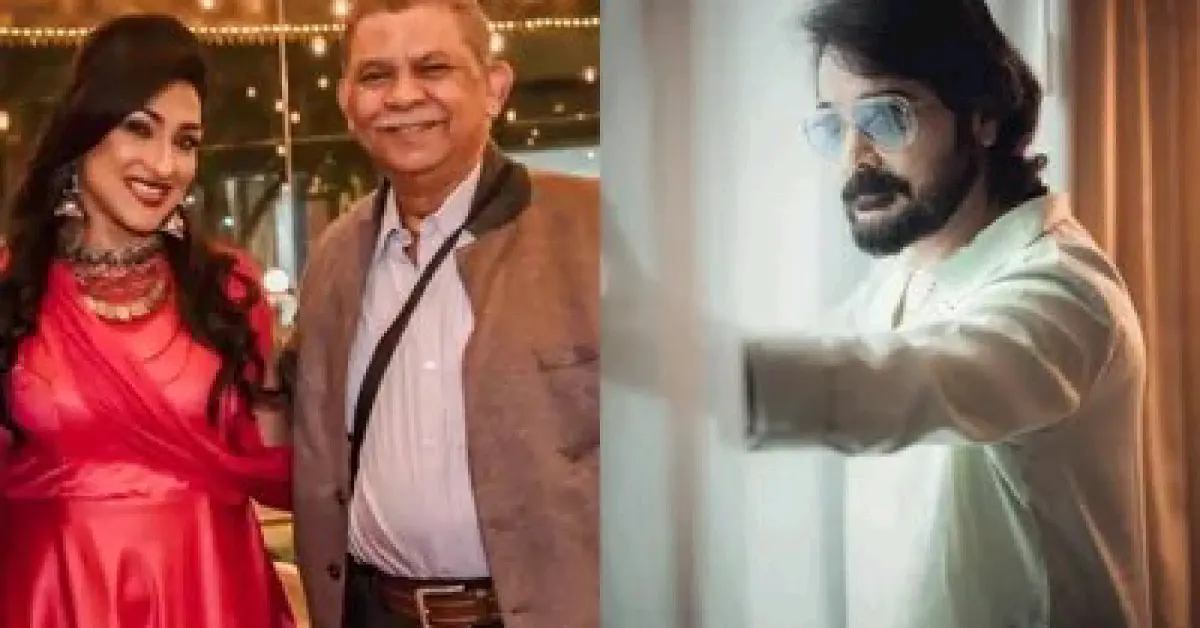
The news of his death has left the Bengali film and television industry in deep sorrow. Actors, directors, and fans have taken to social media to remember his work and his influence on Bengali cinema. Among the first to pay tribute were actors Rituparna Sengupta and Prosenjit Chatterjee, both of whom shared emotional messages about their time working with the filmmaker.
Rituparna Sengupta Remembers Raja Sen as a Father Figure
Rituparna Sengupta, who worked with Sen in films like Atmiyo Swajan and Mayamridanga, shared a long and heartfelt post on Instagram. She called him a “phenomenon” and said his work was filled with warmth and depth. She compared his ability to handle different subjects to that of legendary director Tapan Sinha.
“Rajada was a phenomenon for us. Raja Sen’s legacy lies in the kind of work he created, nuanced, very deep and full of warmth. That quality of a compassionate human being was reflected in his work as well.”
Sengupta also questioned whether Sen received the recognition he truly deserved during his lifetime. She pointed out that despite winning three National Awards and bringing pride to West Bengal, he often struggled to find producers for his films.
“But did he receive the recognition he truly deserved? Many people who perhaps do not deserve it receive immense recognition, while Raja Sen, who was worthy of so much more, perhaps did not receive it in the way he should have. We could not give him the respect and recognition that his work and achievements deserved.”
She recalled that Sen would often tell her, “Give me a good producer. I will do good work”. For her, that was one of the most painful parts of his journey. She said that a filmmaker who brought home three National Awards should not have had to struggle for funding.
Sengupta also shared a personal memory from the day Sen was admitted to the hospital. She went to see him, and even in his critical condition, he held her hand and asked why she was not wearing a mask.
“His passing makes me feel as though I have lost a guardian. He was like a father figure to me. He gave me so much affection. On the day he was admitted to hospital, I went to see him. He held my hand and said, ‘Why did you come? Why aren’t you wearing a mask?’ Where will I find such affection now?”
She expressed her love and support for Sen’s wife, Papia, and his family, saying she would always stand by them. She also credited Sen with playing a big role in shaping her as an actor.
Prosenjit Chatterjee Calls Raja Sen a Legend
Actor Prosenjit Chatterjee also took to Instagram to mourn the loss. He shared a picture of Sen and wrote a farewell message in Bengali.
“The farewell of a legend is always painful. His contribution to Bengali cinema is invaluable to us. Rajada, we remember you with deep respect. Your creations and memories will live on forever.”
Chatterjee’s tribute highlighted how much Sen meant to the Bengali film industry. His words reflected the respect that many in the industry had for the filmmaker’s body of work.
A Career That Began on Television
Born in Kolkata on November 10, 1955, Sen first made his name in Bengali television before moving into feature films. His first feature film, Damu, came out in 1996. Starring Raghuvir Yadav, Satya Banerjee, and Sabyasachi Chakrabarty, the film won the National Film Award for Best Children’s Film.
He followed it with Atmiyo Swajan, which received the National Film Award for Best Film on Family Welfare. His documentary on renowned Rabindra Sangeet singer Suchitra Mitra won the National Film Award for Best Arts/Cultural Film. These three awards made him a three-time National Award winner.
His filmography includes several notable titles such as Desh, Debipaksha, Krishnakant er Will, Laboratory, Maya Mridanga, Chakrabyuha, and Tinmurti. His 2002 film Desh featured Jaya Bachchan and Abhishek Bachchan. His final feature film, Bhalobasar Golpo, was released in 2019.
Sen also directed documentaries on several prominent personalities, including filmmaker Tapan Sinha, cultural figure Sombhu Mitra, and poet Subhas Mukhopadhyay. His television serial Subarnalata became very popular after it aired on Doordarshan.
Health Decline and Final Days
Sen’s health problems started with an injury to his lower back. He was first admitted to a private hospital, but his condition got worse during treatment. He developed lung and heart complications and was later moved to SSKM Hospital. At SSKM, he also developed kidney-related problems.
A senior doctor at SSKM Hospital said Sen’s condition had deteriorated significantly in his final days. He had multiple complications affecting his lungs, heart, and kidneys. Despite treatment, his condition remained critical, and he was on ventilator support.
His wife, Papiya Sen, told the media that he suffered a cardiac arrest. Gradually, multiple organs began to fail. She said the doctors tried very hard, but he could not be saved. Sen is survived by his wife and their two daughters, Subhasree Sen and Sreyoshi Sen.
The family made arrangements for his last rites at Nandan in Kolkata, where members of the film and television fraternity paid their final respects.
Related Stories





View all articles about
A Legacy That Will Live On
Rituparna Sengupta said that Sen’s work will be learning material for future filmmakers and students. She hoped they would study it sincerely because he was a very rare director.
“His work will be learning material and research material for future filmmakers and students. I hope they study it sincerely because he was a very rare director.”
She also wished him peace and said she hoped that all the dreams he could not fulfill in this life would come true in his next.
Raja Sen’s death is a big loss for Bengali cinema. His films touched many lives and brought national recognition to stories from Bengal’s cultural world. His ability to move between different subjects and formats made him a unique voice in Indian cinema. His memory will live on through his work and the lives he touched.
Also Read: Sunny Deol Refuses Pan Masala Ads, Says ‘Mera Zameer Nahi Manta’ as SRK, Ajay Devgn Face FDA Notices
For more entertainment news and updates, keep visiting VvipTimes for the latest coverage on cinema, television, and pop culture.



















Leave a Reply