
A former visual effects artist who spent two years working on Ramayana: Rise of a Legend has publicly criticised DNEG and its CEO Namit Malhotra over what he calls unfair treatment. Rahul Dhanwe, an environmental modelling artist, says he was laid off after 4.6 years at the studio, just months before he would have completed five years of service and become eligible for gratuity. His LinkedIn post has since sparked a wider conversation about how VFX artists are treated in India’s film industry.
The Post That Started the Conversation
Rahul Dhanwe shared his experience on LinkedIn on November 22, 2026, addressing both Namit Malhotra and The Ramayana World directly. The post opened with a sharp line: “Well played, Namit Malhotra and The Ramayana World. Really well played!”
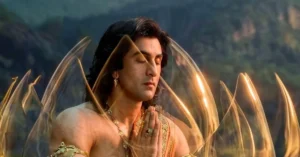
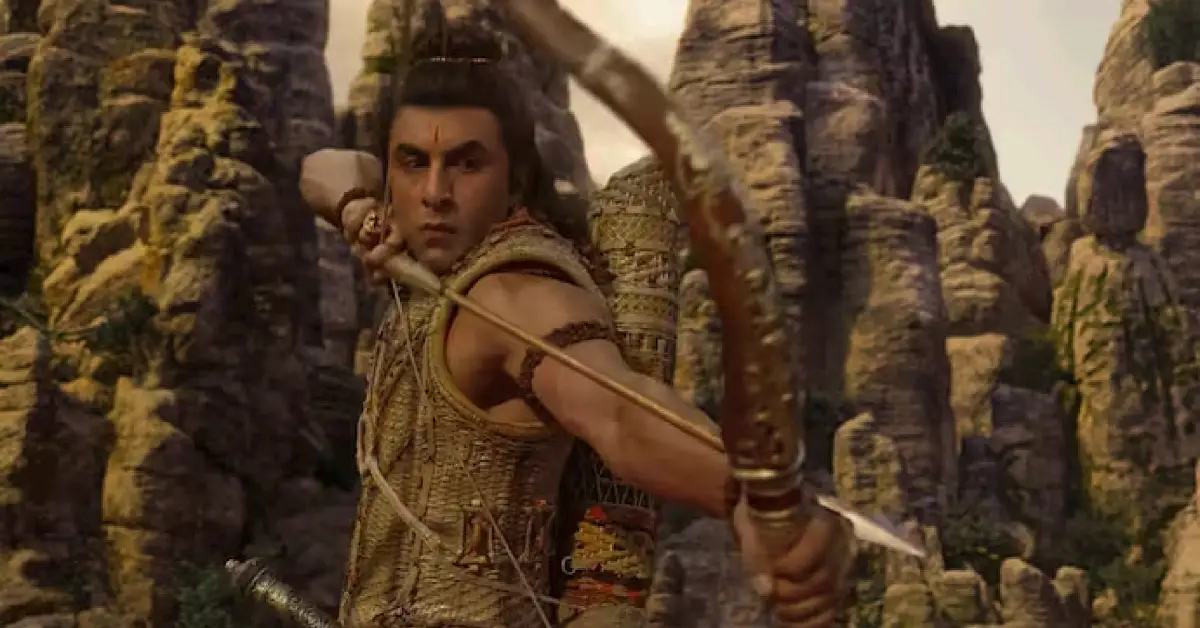
Dhanwe wrote that he spent 4.6 years at DNEG, with the last two years dedicated entirely to Ramayana, directed by Nitesh Tiwari. The film, starring Ranbir Kapoor and Yash, has been one of the biggest releases of the year. Dhanwe’s post has been shared widely across LinkedIn and X, with screenshots reaching audiences beyond the VFX community.
The core of his complaint is simple. Senior management, he says, repeatedly asked employees to stand by the company during tough phases. He did. But the support did not go both ways.
“Senior management repeatedly asked us to support the company during difficult times. We did. For over four years, I worked without a single rupee of salary increment, hoping things would eventually improve. But what did we get in return? A layoff.”
Four Years Without a Salary Increase
Dhanwe’s post states that he worked for more than four years without a single rupee of salary increment. He says this was not a short-term sacrifice but a long stretch of professional patience, made in the belief that the company would eventually recognise the contribution.
The claim matters because DNEG is not a small studio. It is an Oscar-winning visual effects company with eight Academy Awards for visual effects to its name. It has worked on major international productions and is led by Namit Malhotra, who also serves as a producer on Ramayana. The gap between the studio’s global reputation and the experience described by a former employee is what has made the post travel so far.
Dhanwe also pointed out that the artists who worked on Ramayana will not share in the film’s commercial success. The film has crossed Rs 1,600 crore worldwide gross and is nearing Rs 1,000 crore in India net collections. For the artists who spent years building its visual world, that box office performance does not translate into a share of the profits or a reward for the work.
“We gave two years of hard work, skills, and dedication to Ramayana. In a way, our personal sacrifices became part of our contribution to the film. We won’t share in its future success or profits. It honestly feels like we worked for charity.”
The Gratuity Timing
The detail that has drawn the most attention is the timing of the layoff. Dhanwe says he was just a few months away from completing five years at DNEG. Under India’s Payment of Gratuity Act, an employee becomes eligible for gratuity after completing five years of continuous service with the same employer. Being let go before that five-year mark means losing access to that benefit.
Dhanwe included this point directly in his post:
“I was also just a few months away from completing five years and becoming eligible for gratuity. Unfortunately, I was laid off before reaching that milestone.”
The timing has led some social media users to question whether the layoff was a routine cost-cutting decision or something more deliberate. DNEG has not addressed this question publicly. The studio has also not responded to requests for comment on the salary increment claims.
Box Office Glory vs. Backstage Reality
Ramayana: Rise of a Legend is a major box office success. The film, made on a reported budget of around $420 million (roughly Rs 4,000 crore), has been in cinemas for over two weeks and continues to draw audiences in India and overseas. The visual effects, handled by DNEG, have been a central part of its marketing and its appeal.
Dhanwe’s post draws a direct line between that success and the working conditions behind it. The artists who built the film’s digital world, he suggests, were treated as temporary inputs rather than long-term contributors. The film’s profits and future sequels will go to the studio and the producers, not to the artists who spent years on the project.
“I understand companies are businesses, but does that mean artists should be treated as disposable resources?”
The contrast is stark. A film that celebrates a grand mythological spectacle on screen has, according to one of its former artists, left the people who built that spectacle out of the reward.
No Response from DNEG or Namit Malhotra
As of November 23, 2026, neither DNEG nor Namit Malhotra has issued an official statement in response to Dhanwe’s allegations. The studio has not publicly commented on the salary freeze claim, the layoff, or the gratuity timing.
Dhanwe’s LinkedIn post had drawn over 194 comments at the time of writing, with reactions ranging from support for the artist to questions about why he spoke out only after the film’s release.
Some social media users have tagged Yash and Ranbir Kapoor, asking them to take note of how behind-the-scenes crew members are treated. One X user wrote: “The crew who work behind the team are forgotten in BO celebration. #Yash the producer must look into it. Even #RanbirKapoor must consider working with such company again.”
Neither actor has responded publicly to the post.
A Warning to Fellow Artists
Dhanwe closed his post with a direct warning to other VFX professionals. He called DNEG “the worst studio experience of my professional life” and urged artists to think carefully before accepting an offer from the company.
“Honestly, DNEG has been the worst studio experience of my professional life. Such a big name, yet such a disappointing experience when it comes to treating artists. To fellow artists: Think carefully before joining DNEG. If you have another good offer, consider it first. Keep DNEG as your last option. I wasted 4.6 years. Please don’t waste yours. Artists are not disposable resources. They deserve respect, stability, and fair treatment.”
He also expressed concern for the artists currently working on Ramayana Part 2, hoping they would not face a similar situation after their work is done.
The post has become a talking point in India’s VFX community, where conversations about long hours, pay stagnation, and job security have surfaced before. DNEG itself went through a major cost-cutting drive in 2024, when it retrenched around 700 to 800 employees across its operations. Dhanwe’s account is one of the few public, first-person descriptions of what that pressure looks like from inside a studio working on a high-profile Indian film.
What This Means for VFX Artists
The conversation around Dhanwe’s post is not just about one artist or one studio. It touches on a broader question: how are the people who build the visual worlds of big-budget films treated when the cameras stop rolling and the box office numbers come in?
VFX work is project-based, deadline-driven, and often invisible to the audience. Artists move from film to film, and job security depends on a steady stream of contracts. When a studio asks for patience during a slow phase, artists often have little choice but to wait. Dhanwe’s post describes what happens when that patience is met with a termination notice instead of a raise or a renewal.
Related Stories
The film industry has not yet responded as a whole. Namit Malhotra has spoken in the past about the challenges of running a global VFX studio and the pressures of the pandemic-era market. Those comments, however, were made in a different context. Dhanwe’s claims are specific, personal, and tied to a film that is currently in theatres.
DNEG has not publicly addressed the gratuity claim, the salary increment claim, or the layoff. The LinkedIn post remains online, and the comments continue to grow.
Also Read: Shraddha Kapoor’s Bengaluru Stage Crash Turns a Solo Concert Into a Full-Circle Aashiqui 2 Reunion
For more similar entertainment news, visit VvipTimes.