
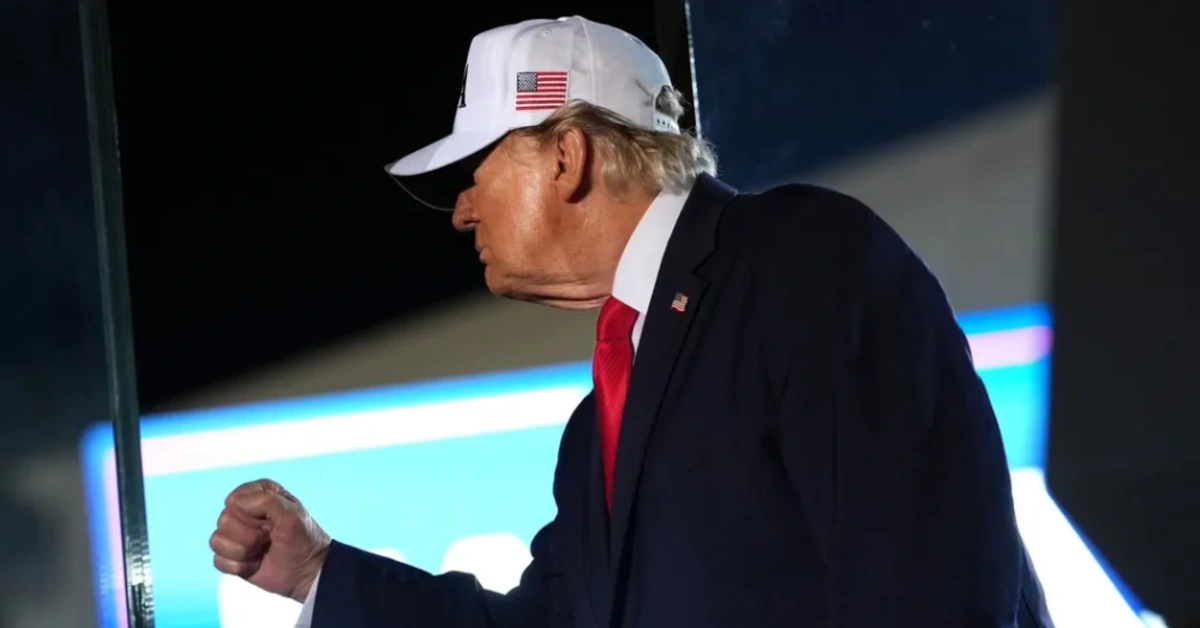

Donald Trump sat down with CBS’s 60 Minutes on Friday, November 6, for an interview that aired Sunday, November 8, 2026. The conversation covered the midterm elections, immigration, his net worth, and—unexpectedly—the afterlife. When correspondent Ross Douthat asked what happens when he dies, the 80-year-old president paused, then said, “Well, I’m a religious person, so in theory, I go to heaven”. Pressed further, he added: “I hope so. I don’t want to go to hell”.
That answer alone would have been a headline. But Douthat, a conservative Catholic writer who joined 60 Minutes this season, followed up with a sharper question: could Trump forgive James Comey, Nancy Pelosi, and others he has targeted over the years—if forgiveness were the price of entry into paradise? Trump’s response was direct. “The answer is no. I want to be honest, no”. “I probably cannot do that, no, because I do hate some of my enemies, and I always will”.
The Exact Exchange That Turned a Political Interview Into a Moral One
The segment began with Douthat asking whether surviving multiple assassination attempts had changed how Trump views his own mortality. Trump’s first answer was lighter: “Well, I hope I’m missed”. Douthat clarified that he was not asking about reputation but about what happens to Trump himself after death. “You mean where I go?” Trump asked. Told “exactly,” he delivered the “religious person” line.
Douthat then set up a hypothetical: arriving in the next life, told that all he needed to do to enter paradise was feel love and forgiveness for Comey and Pelosi. “Do you think you can do it?” Trump called the two “extremely dishonest people, very bad people, very bad for our country”. When Douthat asked if the answer was no, Trump confirmed it. Douthat pushed once more, noting Trump’s “charmed and remarkable life” and asking whether he could not find forgiveness “before the judgment throne of God.” Trump replied, “I probably cannot do that, no”.
Why This Question Carried Extra Weight
The forgiveness question was not random. Douthat referenced the memorial service for Charlie Kirk, the right-wing activist killed earlier this year. Kirk’s widow, Erika, had said at the service that forgiving enemies is part of being a Christian. Trump agreed with that statement when Douthat repeated it. Douthat then reminded him that at the same memorial, Trump had said, “I hate my opponents and I don’t want the best for them”. Douthat acknowledged the line may have been “a little bit of a joke,” but added, “I think that facts come through jokes”.
The exchange gained further weight because of its timing. The interview aired two days after midterm elections in which Trump’s party suffered historic losses. Trump also spoke in the same interview about his mass deportation policy being “too tough,” a rare admission of overreach from a president known for doubling down. Against that backdrop, the heaven question became less about theology and more about a public figure being asked, plainly, whether he is at peace with how he has treated people.
The Enemies Trump Named—and the Legal Backdrop
Trump did not soften his language about the people he named. He described Comey and Pelosi as “very bad for our country” and said, “I love our country far more than I can love people and people like that”. The interview aired as several of his political targets remain under legal scrutiny during his second term. Comey, the former FBI director, has faced two indictments from the Justice Department—one in September 2025 and another in April 2026. The first was dismissed; the second, tied to an Instagram post, is pending. Federal prosecutors have also taken steps toward a possible third indictment related to classified information. Letitia James, the New York Attorney General whose office brought civil fraud charges against the Trump Organization, faced federal bank fraud charges that were later dismissed. John Bolton, Trump’s former national security adviser, pleaded guilty in June to retaining classified information and is scheduled for sentencing next month.
Trump referenced the investigations during the exchange, saying, “look what they’ve put me through, the weaponization, I got indicted”. The comment tied the forgiveness question back to his legal battles, making the segment less a philosophical detour and more a raw statement about how he views his opponents.
NBC Fall 2026 Schedule: Every Premiere Date, New Show, and Time Slot
What Made the Moment Land
Trump has long framed himself as a religious person, and he has spoken about faith in public settings before. The 60 Minutes exchange stood out because Douthat did not ask whether Trump believes in God. He asked whether Trump is willing to forgive. The answer—no, not even for heaven—was unusual for a sitting president to say aloud, and it came without visible hesitation. Douthat’s follow-up about the “judgment throne of God” did not produce a softened answer. Trump said he could “use the word ‘hate’” and that he does hate some of his enemies “and I always will”.
CBS News published the exchange in full on its website, and 60 Minutes shared the “I don’t want to go to hell” clip on social media. The moment circulated quickly, not because it revealed a new policy position, but because it offered an unscripted answer to a question public figures rarely face directly: What do you think happens when you die, and does how you treat people matter?
You May Also Like:


A Note on What Trump Did—and Did Not—Say
Trump did not claim certainty about heaven. He used the phrase “in theory,” and he said “I hope so” before mentioning hell. He did not say he wanted to go to hell, and he did not say he expected to. The headline-making part was his refusal to forgive, not a claim of guaranteed salvation. Douthat’s questions were pointed, but Trump’s answers were clear and repeated. He did not walk them back later in the segment.
The 60 Minutes interview also covered Trump’s net worth growth, which Douthat questioned, and Trump’s comments that his deportation policy was “too tough”. The heaven exchange, however, is the part that turned a standard post-election interview into a moment people are still talking about. The full interview is available on CBS News and the 60 Minutes official channels.
Also Read: James Talarico Crashes SNL Cold Open, Asks “How Many?” Trump Jokes the Show Plans to Do
For more entertainment news and sharp, simple breakdowns of the stories everyone is talking about, keep reading VvipTimes—where the headlines stay human.


























Leave a Reply