

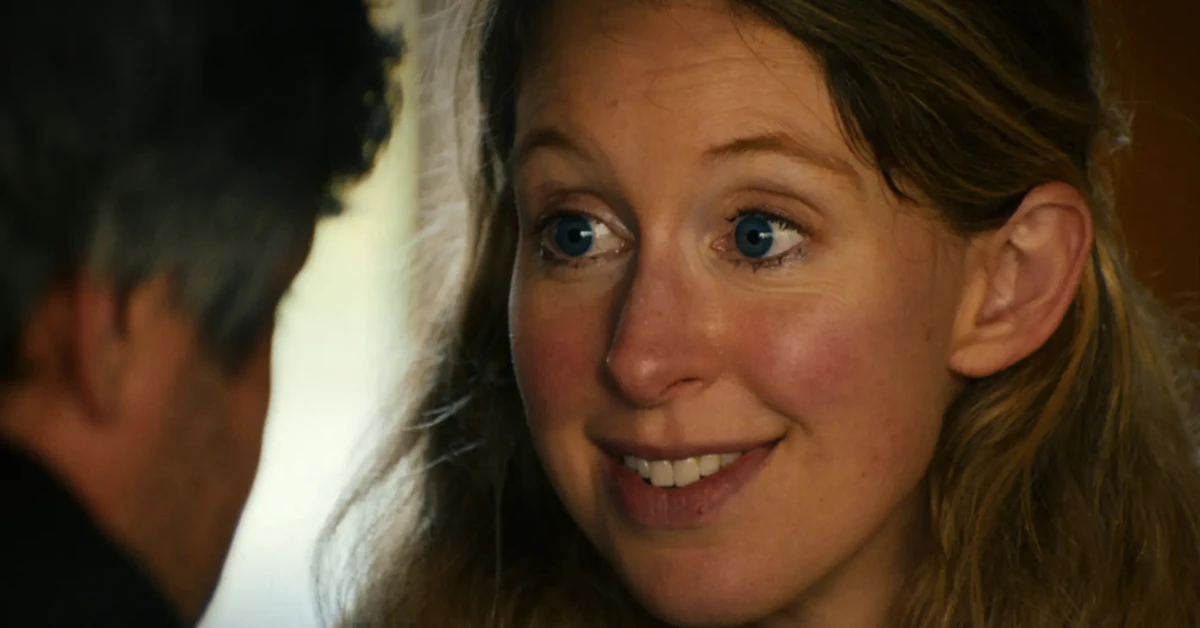

A nearly three-hour documentary about a disgraced tech founder had no built-in audience, no franchise name, and no traditional marketing campaign. Less than two months before its release, most people did not even know it existed. Yet You Can See Everything opened to $15 million in North America from just 855 screens, the second-biggest opening weekend for a non-musical documentary in domestic box office history. By its second weekend, the film had climbed to a domestic total of roughly $45 million, and A24 expanded it to 2,655 theaters.
The Box Office Numbers That Shocked the Industry
The debut figure of $15 million placed the film at No. 2 on the North American chart, behind Paramount’s Street Fighter, which opened to $31 million. The documentary also secured the largest debut for any film playing on fewer than 1,000 screens since 2006’s Borat, which opened to $26.4 million. In its second weekend, the film collected roughly $20 million, a 23 percent rise from its opening, for a domestic total near $45 million. The expansion to 2,655 theaters marked an exceptionally wide release for a documentary and more than tripled its opening footprint.
“The film made more than $15 million US in ticket sales during its debut weekend — the second-largest opening weekend for a non-musical documentary in domestic box office history, behind only 2004’s Fahrenheit 9/11.” — CBC News
A Secret Project That Turned Into a Must-See Event
Nathan Fielder and Lance Oppenheim co-directed the film. Fielder is known for The Rehearsal and The Curse, while Oppenheim directed Primetime. The pair spent 34 days inside Elizabeth Holmes’s rental home in 2023, filming her with her partner Billy Evans and their two young children in the weeks before she began serving her 11-year prison sentence for fraud. The project was produced in secret over three years, and the public did not know it existed until a surprise premiere at the Telluride Film Festival in September 2026. The first teaser trailer dropped shortly after, and a clip of Holmes asking Fielder “Why would I deceive you?” spread widely online.
What the Film Actually Shows
The 174-minute documentary follows Holmes inside her home as she prepares for prison. Fielder places himself in the frame, questioning her directly and creating the kind of uncomfortable, boundary-pushing conversations he became known for on Nathan for You. The film is not a straightforward retelling of the Theranos scandal, which has already been covered in books, podcasts, and the Emmy-winning limited series The Dropout with Amanda Seyfried. Instead, it captures Holmes in the final weeks of her freedom, offering what the Los Angeles Times described as “extraordinary access” before the film takes a “reality-bending turn”.
Why Audiences Rushed to Theaters
The marketing leaned into secrecy. A24 built a campaign around the idea that the film had to be seen before its twists could be spoiled. The strategy worked. Rotten Tomatoes listed the film at 99 percent fresh after its debut, and Letterboxd users briefly rated it 4.8 out of 5, making it the highest-rated movie in the site’s history at the time. Audience reactions described the experience as unusual and intense. One Letterboxd user wrote, “My mouth was agape for basically the entire last two hours”. Another called it “an absolutely phenomenal crazy fever dream of a documentary”. Toronto film critic Teri Hart told CBC News that viewers were “physically leaning into the screen” and that there were “gasps at times” and applause at the end.
The People at the Center of the Film
Elizabeth Holmes founded Theranos, a blood-testing startup that promised to revolutionise medical testing with small amounts of blood. She was convicted of defrauding investors and began her prison sentence in 2023. Billy Evans, a hotel heir and the father of her two children, appears throughout the documentary and has become a central figure in discussions about the film. Nathan Fielder is a Canadian comedian and filmmaker born in Vancouver. Lance Oppenheim is a documentarian whose previous work includes Primetime.
Release Details for Global Viewers
You Can See Everything was released in U.S. and Canadian theaters on Friday, October 16, 2026, through A24. The film opened on 855 screens and expanded to 2,655 theaters in its second weekend. The documentary has a runtime of 174 minutes and carries an R rating. International release plans vary by market, with A24 handling distribution in territories where the studio operates. Streaming details have not been confirmed for all regions, and viewers outside North America should check local A24 partners and theatrical listings for availability.
You May Also Like:





View all articles about
Awards Season Talk Around the Documentary
The film entered the awards conversation immediately after its Telluride premiere. The Guardian gave it five stars and called it “a modern masterpiece of deceit.” The Financial Times also awarded five stars, describing it as “a mind-bending revelation”. The New York Times wrote that the film sees Holmes and Fielder “joust in a dizzying movie about truth, reality and the contours of knowledge”. A nomination for Best Documentary Feature at the Academy Awards is widely discussed, though no documentary has ever been nominated for Best Picture.
“People were actually physically leaning into the screen. There were gasps at times. People applauded at the end of the movie, lots of laughter.” — Teri Hart, film critic, to CBC News
Also Read: Inside You Can See Everything: The Elizabeth Holmes Documentary’s Biggest Twists and Discoveries
For more box office analysis, documentary coverage, and streaming updates, keep reading VvipTimes.


















Leave a Reply