
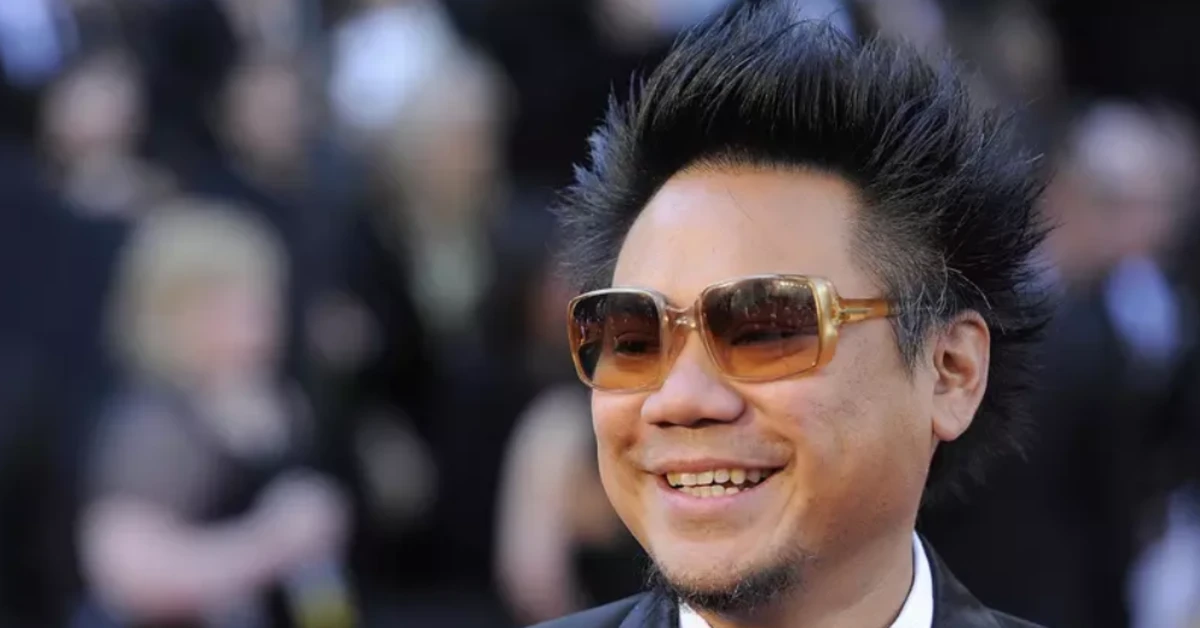

Matthew Libatique, the cinematographer behind the first Iron Man film, has shared his thoughts on artificial intelligence in filmmaking. Speaking at the Evolution Mallorca International Film Festival in Spain, where he received the Cinematography Icon Award, Libatique said AI may change how Marvel makes its visual effects but will not replace the actors who bring those characters to life. His comments were published in a Variety interview on Friday, October 30, 2026.
What Libatique Said About Marvel and AI
Libatique, a three-time Oscar nominee, was asked about AI during an ICON Talk at the festival. His answer drew a clear line between two parts of filmmaking: the technical work behind the scenes and the human performance in front of the camera.
“AI won’t replace cinema. What it could replace is Marvel.”
He explained that big studios like Marvel and DC “make these giant films and technology is clearly a part of it.” The cost of these movies is huge, and Libatique understands why studios would look for ways to save money.
“They make their movies for so much money, I can understand why, through visual effects, they are going to have to employ AI to curb some of their costs.”
The point is not that Marvel will stop making films. The point is that the digital effects work, the part that creates alien worlds, explosions, and crowded battle scenes, could see more AI involvement in the years to come. Libatique framed this as a budget issue more than a creative one.
Why He Thinks AI Actors Will Not Happen
Libatique was firm about one thing: Marvel will not use AI actors. His reason is simple. Audiences connect with the people who play the roles.
“They’ve always been able to get a personality into the characters, whether it’s Chris Evans or Robert Downey Jr.; these people become these characters people fall in love with.”
He also made a direct comparison to a current example of AI in entertainment. Tilly Norwood, an AI-generated “actress” promoted by a company called Particle6, has caused debate in Hollywood. Libatique said he does not see a Tilly Norwood version of Batwoman or Black Widow.
“I don’t think there’s going to be a Tilly Norwood Batwoman or Black Widow. You can’t tell me you’re going to make an AI character that can do what Robert Pattinson does. You can’t.”
The mention of Robert Pattinson adds weight to his point. Pattinson is known for unusual, physical, and deeply personal performances in films like The Batman and Good Time. Libatique’s argument is that no machine can copy that kind of presence.
The 300 Comparison and the Limits of AI
Libatique brought up Zack Snyder’s 300, the 2006 film that was shot almost entirely against green screens in a warehouse. The creative team built nearly all the landscapes digitally. He called it “basically our early AI movie.”
His view is that films built almost completely inside a computer can exist, but they come with a cost that is not about money.
“If you want your movie to look that way, go for it. But, again, how do we connect [to it] as humans? The audience for some of these films is really limited. It’s limited by age, gender, and also by social interaction.”
He then turned to smaller, story-driven films. Sentimental Value, a Norwegian drama that has been getting attention on the awards circuit, is the kind of film he does not see AI touching.
“Nobody’s going to make Sentimental Value with AI. So I would pump the brakes on the idea that it is going to replace us all, because I don’t think there is going to be a time when we as a society turn our backs on cinema because we need it.”
The message is that AI may fit certain types of big-budget studio filmmaking, but it does not fit stories that depend on human emotion and real performance.
His Own AI Tests with Darren Aronofsky
Libatique’s stance is not that of someone refusing to engage with the technology. He and director Darren Aronofsky, his longtime creative partner on films like Black Swan, Mother!, and The Whale, are testing AI tools before shooting their next film together.
“We’ve discussed it. We’re doing a test soon. I have a belief that the more you give to the system, the more it’s gonna have what you’re looking for. He wants to see how little you can do; we both want to learn more about it.”
Aronofsky launched an AI studio called Primordial Soup in collaboration with Google DeepMind last year. Libatique said the next film will still be made in a traditional way.
“We’re gonna make it like a movie. We’re gonna stand on set. Darren is gonna get on his knees, and he’s gonna move everything around with his fingers, and he’ll do what he usually does. But it’s a different thing, the AI. I don’t think it’s replacing what he does, but he’s interested.”
He also said the two are looking at “using the camera the way we use the camera and then see what this technology can do.” The goal is to understand the tools, not to hand over the filmmaking process to them.
Libatique has already used AI in post-production. He said it helped correct glare in a way that saved time.
“The machine learning how to do that is helpful to me, rather than sending it to another country so that some people who are getting $2 an hour can do it.”
Copyright Concerns and the Human Cost
Libatique also spoke about the uncomfortable side of AI. He has seen AI-generated videos made in his own style, and it did not sit well with him.
“On two occasions, someone has sent me AI videos where the machine was told to shoot in the style of Matthew Libatique. How come everything I do is out for grabs? That’s absolutely offensive. I mean, I am flattered that somebody sent me this video, but it’s horrible.”
He added that he does not think he has a distinctive style in the first place.
“I don’t have a distinctive style. I always try to find a story in what I do. I don’t try to impose myself on a movie. I only impose myself in the sense that I’m trying to understand who the director I’m working with is so that I can use my skills to help that vision.”
The job loss question also came up. Libatique said he feels for post-production workers whose work is being taken over by machines.
“I feel for them. It’s insensitive for me to revel in the fact that I can do some of the things in a room that we can do now because it definitely took some work away. But that work was taken away from people in our industry anyway, and it was given to basically sweatshops in other countries. I guess the question is when does it end? When does it start really replacing people?”
Speaking to Spanish newspaper Ultima Hora, he described the arrival of AI as an “existential discomfort” because films that once needed 300 people could need only 150, while money is being invested in the very technology that reduces those jobs.
A Voice from the Camera Department
Libatique’s comments arrive at a time when Hollywood is still working out how AI fits into filmmaking. Much of the public debate has come from studio leaders, tech companies, and actors. A working cinematographer offering a detailed view adds a different perspective.
You May Also Like


View all articles about
His position is not a simple yes or no. AI can help with some visual effects and some post-production tasks, especially on films with very large budgets. It cannot replace the performers who make Marvel characters feel real, and it cannot replace the kind of cinema that depends on human connection. The first Iron Man film, which Libatique shot, helped launch a film universe built on the personalities of actors like Robert Downey Jr. His view is that the machine can handle more of the background work, but the face on screen still has to be human.
Stay close to VvipTimes for clear and fact-checked stories on the films, filmmakers, and industry shifts that matter to you.
Focus Keywords:


























Leave a Reply