
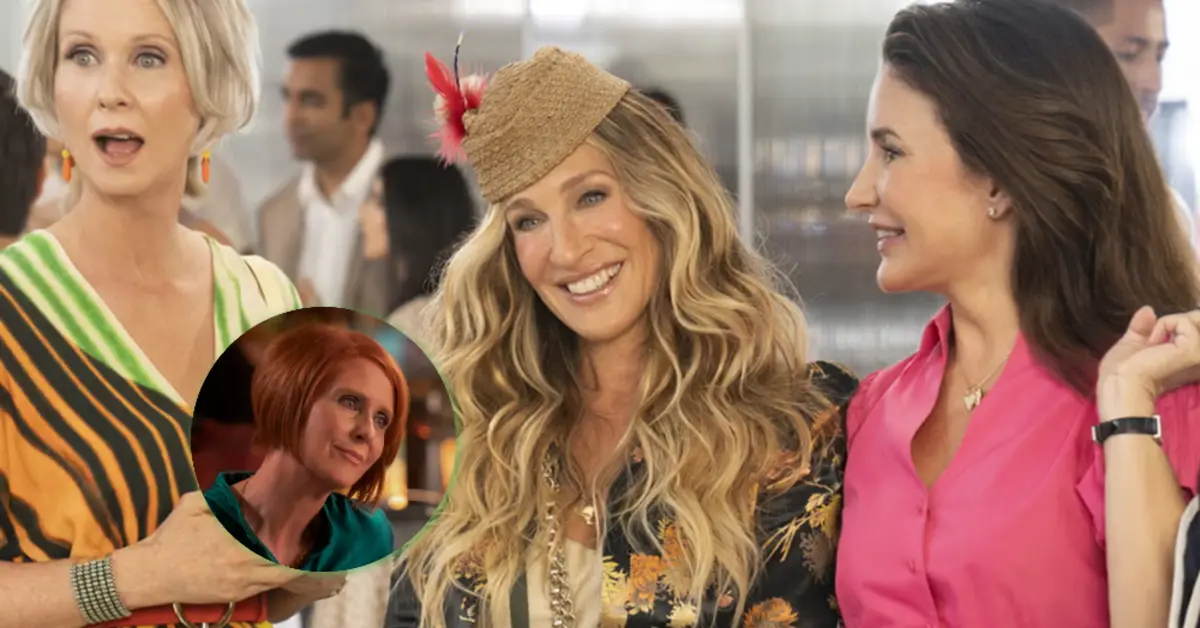

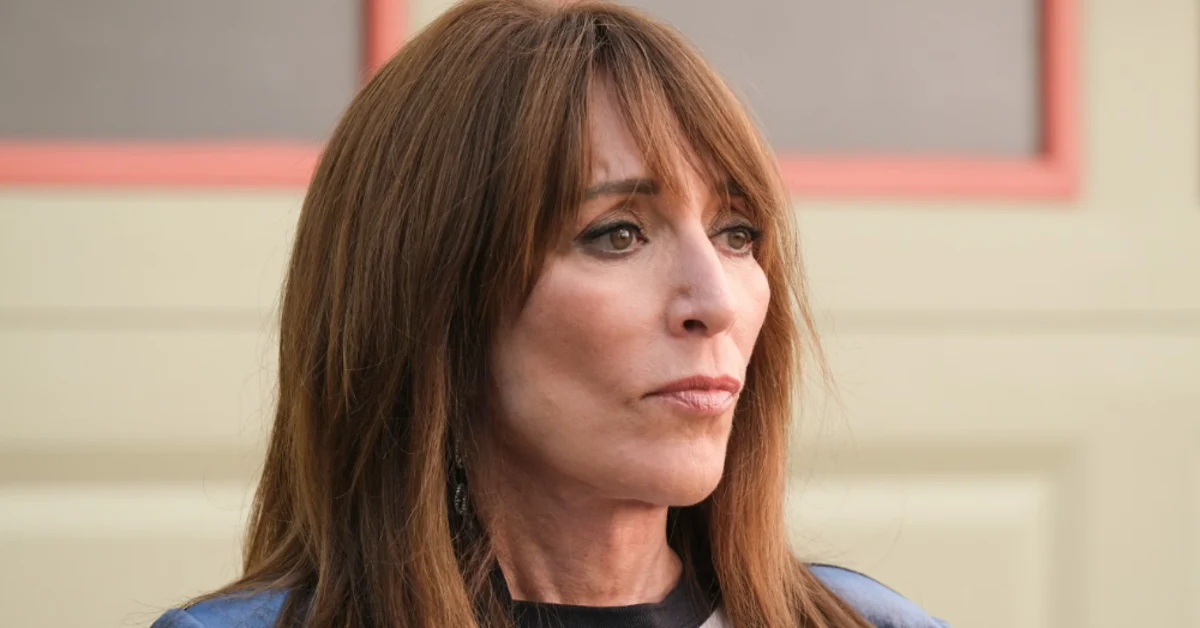
Cynthia Nixon has no regrets about the direction Miranda Hobbes took in And Just Like That. The actress behind the beloved lawyer-turned-human-rights-student says she actively cherished the storyline that left a large portion of the Sex and the City audience feeling alienated and, in her own words, “horrified.” In a candid interview with The New York Times published on November 1, 2026, Nixon reflected on the polarizing reboot and made it clear that the messiness was the entire point.
The confession lands more than a year after And Just Like That wrapped its third and final season in August 2025, closing a chapter that began with sky-high expectations in 2021 and ended with a toilet-clogging Thanksgiving scene that many longtime viewers called the final straw. Nixon’s latest remarks offer the clearest window yet into how she viewed Miranda’s turbulent evolution while fans were watching it unfold with growing frustration.
What Cynthia Nixon Actually Said About Miranda’s ‘Woke’ Path
Nixon did not mince words when describing the audience response to Miranda’s arc. Speaking to The New York Times, she acknowledged the discomfort head-on.
“They were so horrified by [Miranda’s] sadness and alcoholism and awkwardness at trying to become a woke person at this advanced age. But I loved that.”
The quote captures the gap between creative intention and viewer expectation that defined much of And Just Like That‘s run. Miranda, a character who spent six seasons on HBO’s Sex and the City as the pragmatic, cynical counterweight to Carrie Bradshaw’s romanticism, returned in the reboot as a woman unmoored. She left her corporate law career, enrolled in a master’s program for human rights, and began a relationship with a non-binary comedian named Che Diaz, played by Sara Ramírez.
Nixon framed the reboot’s creative mission as an attempt to correct what she saw as the original series’ biggest blind spot. The actress told the Times that she signed on because the risks felt worth taking.
“I became convinced that we could really do interesting, dangerous things,” Nixon said. “And that we could make up for some of our past mistakes, the chief one being that it was such an overwhelmingly white show.”
That admission carries weight. Sex and the City ran from 1998 to 2004 and became a cultural phenomenon, but its portrayal of New York City was famously narrow. The reboot added characters of color and explored queer storylines with a deliberate, sometimes heavy-handed, sense of purpose. Nixon’s comments suggest she viewed Miranda’s clumsiness not as a failure of writing but as an honest portrait of a privileged woman trying to catch up with a changing world.
Why Fans Were ‘Horrified’ by Miranda’s Storyline
Audience frustration with Miranda’s reboot arc did not emerge overnight. It built steadily across three seasons, fueled by specific creative choices that struck many viewers as out of step with the character they had followed for decades. The Daily Mail reported that fans blasted the show for “ruining” its legacy with “woke” storylines, with one viewer writing on X that the reboot “didn’t make any sense” and that the creators had “ruined their legacy”.
The most contentious pivot involved Miranda’s marriage to Steve Brady, played by David Eigenberg. In the original series, Steve and Miranda’s relationship was hard-won. They met in season two, broke up, reconciled, married, and welcomed a son, Brady. The reboot dismantled that ending in its first season when Miranda began an affair with Che, eventually leaving Steve to pursue a relationship with the comedian.
Fan reaction to Che Diaz became a phenomenon in itself. The character was branded “insufferably woke” by viewers, and criticism grew loud enough that Sara Ramírez was written out of the show ahead of its third season. And Just Like That became a lightning rod for a broader cultural conversation about how legacy franchises handle modernization. The show’s defenders pointed to its willingness to explore life for women in their fifties. Its critics saw a beloved character being reshaped in ways that felt inconsistent with her history.
Nixon’s New York Times interview does not dismiss that criticism. Instead, it reframes it. The actress suggests that the discomfort was part of the story she wanted to tell, not a side effect to be avoided.
The Alcoholism Storyline That Made Miranda Uncomfortable to Watch
One of the heavier threads in Miranda’s reboot journey involved her relationship with alcohol. The show depicted her drinking as a coping mechanism, a development that many fans found difficult to watch precisely because Miranda had always been the most grounded of the four friends. The New York Times interview references the “sadness and alcoholism” that defined much of Miranda’s arc, and Nixon’s decision to embrace that darkness rather than soften it speaks to the creative gamble at the heart of the reboot.
The portrayal drew mixed responses. Some viewers appreciated the show’s willingness to explore midlife struggle without glamour. Others felt the storyline piled humiliation onto a character who had once been a model of self-possession. Nixon’s position is unambiguous: the awkwardness was the point. Miranda was not supposed to emerge from the reboot looking cool or admirable. She was supposed to look like a person figuring things out late, and sometimes badly.
How And Just Like That Ended and What Nixon Said About the Cancellation
And Just Like That concluded its run in August 2025 with an episode that became instantly notorious. The finale featured a Thanksgiving gathering at Miranda’s home during which a lactose-intolerant guest named Epcot, played by Spike Einbinder, clogged her toilet, leading to an overflowing mess that Miranda spent the evening cleaning. The scene drew widespread mockery and frustration, with some fans calling it the “most disgusting episode ever”.
The cancellation itself arrived with little warning. Reports indicated that the cast learned the show was ending only a day before the public did, and Nixon told the Times she was caught completely off guard.
“I was not at all ready. Not at all.”
Showrunner Michael Patrick King later denied that spiraling costs or declining viewership drove the decision, writing in a statement that the choice was made alongside Sarah Jessica Parker and HBO Max executives to “end the popular series” while holding off on the announcement so the word “final” would not overshadow the viewing experience of the last season.
Parker, for her part, told The New York Times in a separate conversation that she was unbothered by reports of hate-watching. “I guess I don’t really care,” she said, pointing to the show’s commercial success and the connections it made with audiences.
What Cynthia Nixon Is Doing Now
The Miranda chapter has closed, but Nixon’s career has not slowed. She currently appears in HBO’s The Gilded Age as Ada Forte, a role that has placed her in an entirely different historical and tonal register. Season 4 of The Gilded Age premiered in fall 2026, with Nixon’s character stepping into a more independent phase of her life.
Even with a successful ensemble drama on her résumé, Nixon acknowledged to the Times that Miranda remains the role that defines her public identity.
“Miranda seems to eclipse everything else.”
That observation, delivered with what the Times described as “cheerful resignation,” captures the strange afterlife of a character who became a cultural touchstone in the late 1990s and remained one through a reboot that tested the limits of audience loyalty.
The Larger Conversation Around Legacy Sequels and Fan Ownership
Nixon’s defense of Miranda’s arc raises a question that extends well beyond one show: how much ownership do fans have over characters they have loved for decades? The Sex and the City franchise belongs to a generation of viewers who grew up alongside Carrie, Miranda, Charlotte, and Samantha. When a revival asks those viewers to accept that a character they knew intimately might become someone they barely recognize, the result is rarely comfortable.
You May Also Like:





View all articles about
And Just Like That lived in that discomfort for three seasons. It added diversity, explored queerness later in life, and refused to give Miranda a tidy redemption. The show’s critics saw inconsistency. Nixon saw risk. Both reactions are now part of the record, and the actress has made her peace with the division.
For viewers who followed Miranda from the original series through the reboot’s final messy Thanksgiving, Nixon’s Times interview offers something close to a closing argument. The character was never meant to stay the same. The actress who played her for nearly three decades would not have wanted it any other way.
Also Read: Michael Patrick King Says ‘And Just Like That’ Will Age Well Over Time: “Perceptions Can Change”
For more entertainment stories that cut through the noise, keep VvipTimes bookmarked—your daily stop for the TV and film news that actually matters.

























Leave a Reply