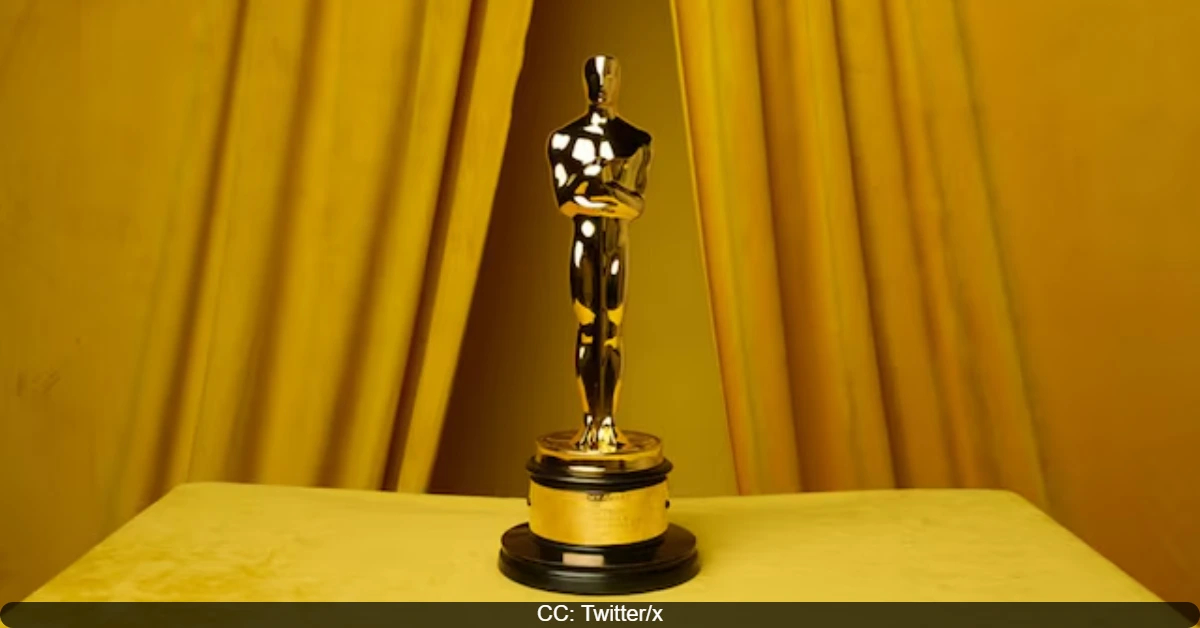
The Oscars, one of television’s most famous traditions, is moving from its longtime broadcast home to the internet. The Academy of Motion Picture Arts and Sciences announced a multi-year deal with YouTube that will make the video platform the exclusive global home of the Academy Awards starting in 2029. The decision ends the awards show’s more than 50-year partnership with ABC, which will broadcast the final three shows under its current contract, culminating in the 100th Oscars ceremony in 2028.
Details of the New YouTube Deal
The new partnership with YouTube is structured as a five-year agreement. It will begin with the 101st Academy Awards in 2029 and run through the ceremony in 2033. For viewers, the biggest change will be how they watch. The Oscars ceremony, along with red carpet coverage and behind-the-scenes content, will be available live and for free on YouTube to a global audience.
In the United States, the show will also be available to subscribers of YouTube TV, the platform’s pay-TV service. The deal is exclusive and gives YouTube worldwide rights, meaning it will no longer be licensed to different broadcasters in various countries.
The scope of the partnership goes far beyond just the main awards night. YouTube will become the home for a wide array of Academy events and programming year-round. This will include:
- The Oscar nominations announcement
- The Governors Awards (where honorary Oscars are presented)
- The Oscars Nominees Luncheon
- The Student Academy Awards
- The Scientific and Technical Awards
- Various film education programs and interviews
A significant part of the collaboration involves the Google Arts & Culture initiative. This project will help digitize parts of the Academy’s vast historical collection—which contains over 52 million items—and provide online access to select exhibitions from the Academy Museum of Motion Pictures.
Why the Academy Is Making the Move
Statements from Academy leadership point to a strategic shift toward global accessibility as the primary reason for choosing YouTube. Academy CEO Bill Kramer and President Lynette Howell Taylor said the partnership “will allow us to expand access to the work of the Academy to the largest worldwide audience possible”. With YouTube boasting over 2 billion monthly users worldwide, the platform offers a reach that no single television network can match.
This global focus aligns with changes within the Academy itself, which has actively worked to increase and diversify its membership by adding more international voters in recent years. The move to a free, digital platform is seen as a way to connect with younger audiences who increasingly consume content online and may not have traditional pay-TV subscriptions.
“Partnering with the Academy to bring this celebration of art and entertainment to viewers all over the world will inspire a new generation of creativity and film lovers,” said YouTube CEO Neal Mohan.
There are also significant financial considerations. While the exact value of the YouTube deal has not been made public, reports indicate YouTube outbid ABC and other contenders. Disney was reportedly paying about $75 million per year for the Oscars rights under the previous agreement. Industry analysis suggests YouTube’s offer was a nine-figure deal, representing a substantial increase for the Academy.
The End of an Era for ABC
The move concludes one of the longest and most stable relationships in television. ABC first broadcast the Oscars from 1961 to 1970, regained the rights in 1976, and has been its home ever since. At its peak, the Oscars were a major asset for the network, both in terms of prestige and advertising revenue. The 1998 ceremony, where “Titanic” won big, attracted 55.2 million viewers.
In recent years, however, viewership for the awards show, like many broadcast television events, has declined. The 2025 telecast drew roughly 19.7 million viewers across ABC and digital platforms. While this was an improvement over pandemic-era lows, it represents a fraction of the audience from decades past.
ABC released a statement acknowledging the change: “ABC has been the proud home to The Oscars for more than half a century. We look forward to the next three telecasts, including the show’s centennial celebration in 2028, and wish the Academy… continued success”. Reports suggest that ABC’s parent company, Disney, determined that the rising cost of the rights no longer made financial sense for the network, especially as the show’s audience has shrunk.
Also Read:


What This Means for the Future of Awards Shows
The Oscars’ jump to YouTube is the most high-profile example yet of a major entertainment awards show leaving traditional broadcast television for a streaming platform. It follows a broader industry trend. The Screen Actors Guild Awards (now The Actors Awards) have moved to Netflix, while other ceremonies like the Golden Globes and Emmys use a hybrid model, airing on CBS and NBC respectively while also streaming on services like Paramount+.
The shift underscores the growing power of tech companies in the media landscape. YouTube, owned by Google, already accounts for the largest share of television streaming in the U.S., according to Nielsen data. Its YouTube TV service is also growing rapidly and is projected to become one of the largest pay-TV providers in the U.S. by the time the Oscars move in 2029.
For Hollywood, the move symbolizes a necessary adaptation. As moviegoing habits change and global audiences become more important, the Academy is betting that a free, digital, and worldwide platform will help the Oscars stay culturally relevant for another generation.