

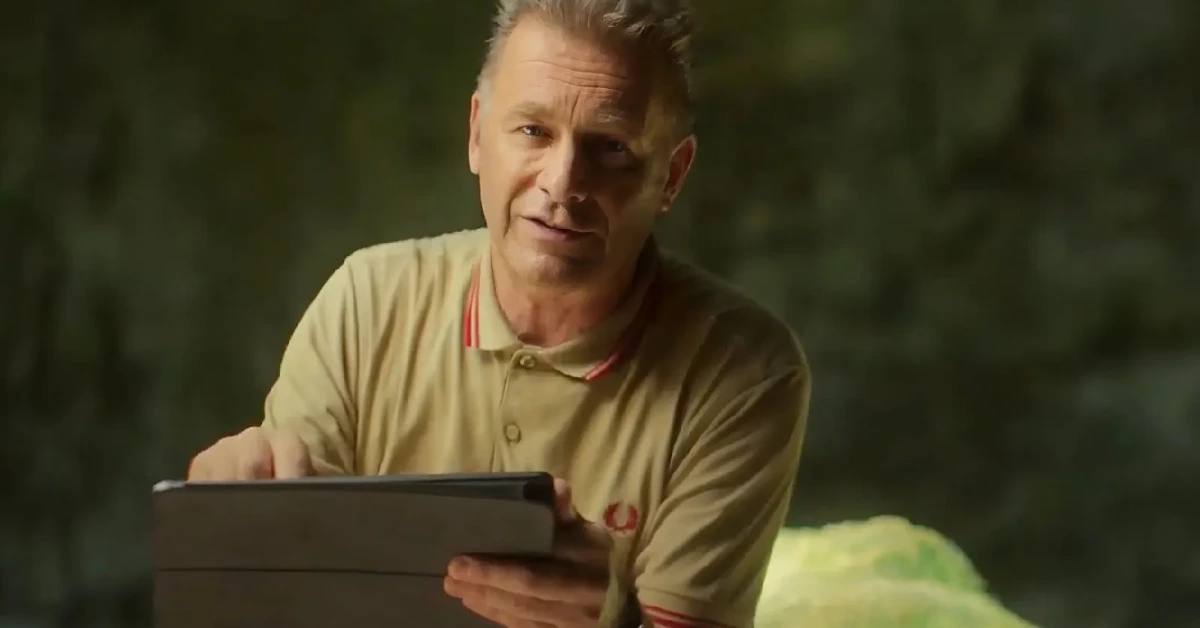

BBC Earth presenter Chris Packham has uncovered a piece of physical evidence in his new documentary series that adds weight to the long-standing asteroid theory behind the dinosaurs’ extinction. During the filming of ‘Evolution’ , Packham travels to Mexico’s Yucatán Peninsula and examines a ring of natural sinkholes known as cenotes. These formations line up perfectly with the edge of the Chicxulub crater, the massive impact site left by the asteroid that struck Earth around 66 million years ago.
The discovery serves as a key moment in the five-part BBC series, which began airing on July 13, 2026, on BBC Two and BBC iPlayer. Packham explains how these geological features provide visible, physical proof that connects directly to the asteroid impact theory first proposed in the 1980s.
‘Evolution’ Series Explores 4 Billion Years of Life on Earth
The new BBC documentary ‘Evolution’ is a five-part series that tells the story of life on Earth over 4 billion years. Each episode focuses on a different animal and examines a specific aspect of its evolutionary journey. The series covers elephants, ostriches, bats, dolphins, and horses, exploring how each species developed key traits that helped them survive.
Chris Packham presents the series, which has drawn comparisons to the work of David Attenborough. The show uses a combination of natural history footage, scientific research, and computer-generated imagery to bring ancient life forms back to life.
The Open University provided academic support for the series, with Dr Hannah Gauci and Dr Thomas Stubbs serving as academic consultants. The series explores how key evolutionary innovations shaped the diversity of animals seen today.
The Cenote Clue That Links to the Asteroid Impact
In the episode discussing dinosaur extinction, Packham visits a cenote in Mexico and explains how these natural sinkholes form a ring that matches the edge of the Chicxulub crater. Cenotes are holes in the ground filled with water, commonly found in areas with soft limestone rock, particularly in Mexico’s Yucatán Peninsula.
Packham shows a map of the peninsula and points out the large number of cenotes scattered across the region. While they appear random at first, Packham explains that these formations actually create a clear arc of geological features. When completed into a circle, the arc has a diameter of around 110 miles, which matches the inner rim of the Chicxulub crater.
The cenotes did not form at the time of the impact. Instead, the asteroid strike damaged the rocks, and over millions of years, water slowly moved through them, creating underground caves. Some of these caves later collapsed, leaving behind the ring of cenotes visible today. This ring now serves as visible evidence that the asteroid hit the Yucatán Peninsula around 66 million years ago.
The Asteroid Theory and the Dinosaur Extinction
Scientists have long debated what caused the dinosaurs to go extinct. Some theories point to climate change, while others suggest massive volcanic eruptions. By the 1980s, however, many researchers began to accept that a huge asteroid had crashed into Earth.
The Chicxulub crater, located beneath the Yucatán Peninsula, is the impact site of that asteroid. The impact would have released the power of billions of nuclear weapons. It triggered fires, tsunamis, and extreme heat, followed by a period where sunlight was blocked and the climate changed dramatically. These conditions led to the extinction of the dinosaurs.
Packham’s exploration of the cenotes provides physical evidence that supports this theory. The alignment of the sinkholes with the crater’s rim offers a visible, measurable connection between the geological features on the surface and the massive impact site below.
Critical Reception and Broadcast Details
The series has received positive reviews from critics. The Guardian described ‘Evolution’ as “wondrous and awe-inspiring” and noted that Packham has effectively become the successor to David Attenborough. The review praised Packham’s ability to share his knowledge in an accessible way while treating the audience with respect.
‘Evolution’ began airing on July 13, 2026, at 9pm on BBC Two and BBC iPlayer. The series is a collaboration between the BBC and The Open University. The Open University has also produced supporting online content, including an interactive evolutionary tree and a poster exploring evolution, biodiversity, and the tree of life.
The series is grounded in science, with Packham frequently using fossils, examples of modern creatures, and experiments to demonstrate evolutionary principles. The show avoids presenting evolution as a goal-oriented process, instead framing it as a selection process driven by environmental pressures.
Related Stories






View all articles about
What the Cenote Discovery Means for the Asteroid Theory
The cenote ring provides a clear piece of physical evidence that supports the asteroid impact theory. While scientists have long accepted that an asteroid strike caused the dinosaur extinction, the visual connection between the cenotes and the Chicxulub crater offers a tangible way to understand the scale and location of the impact.
Packham’s explanation in the documentary makes this connection accessible to a general audience. By showing the map of the Yucatán Peninsula and demonstrating how the cenotes form a circle matching the crater’s rim, he provides viewers with a clear visual understanding of how the asteroid impact shaped the landscape.
The discovery also highlights how geological features can preserve evidence of ancient events. The cenotes, formed over millions of years through the slow movement of water through damaged rock, serve as a lasting reminder of the catastrophic impact that ended the age of dinosaurs.
Also Read: ‘My Bias, My Boss’ Episode 3: Love Triangle Takes Shape as Da-Reum Faces New Challenges
For more updates on documentaries, science programming, and entertainment news, keep following VvipTimes for the latest stories from the world of television and film.




















Leave a Reply