

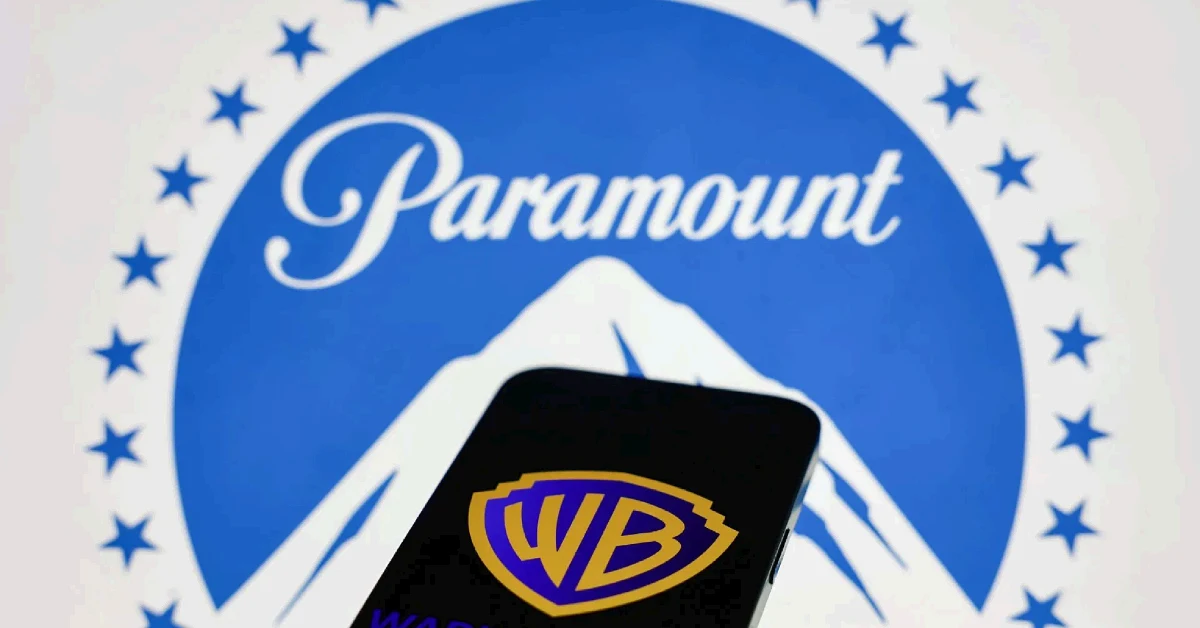

The $111 billion plan for Paramount to buy Warner Bros. Discovery has created a big split in Hollywood. The people who run movie theaters are fighting among themselves. Some say the deal will destroy the cinema business. Others believe it is the only way to save it. This fight has turned the movie industry upside down. Theater owners, actors, writers, and even politicians are choosing sides.
The deal would put two of the biggest movie studios under one roof. Paramount owns hits like “Mission: Impossible” and “Star Trek.” Warner Bros. owns “Harry Potter” and “Superman.” Together, they would control a huge chunk of the movies you see in theaters. The question is simple. Will this be good or bad for the people who actually go to the movies?
Theater Owners Are Fighting Each Other Over This Deal
The movie theater industry is not united on this issue. The two largest theater chains in the country, AMC and Regal Cinemas, have come out in support of the deal. Their CEOs believe the merger will bring more movies to the big screen. They see it as a lifeline for an industry still recovering from the pandemic.
However, the trade group that represents thousands of smaller theaters, Cinema United, is strongly against it. The group’s CEO, Michael O’Leary, has been very vocal in his opposition. He warns that the deal will give too much power to one company. This split is causing confusion and tension across the industry.
AMC and Regal Say the Deal Will Save Theaters
Adam Aron, the CEO of AMC, the world’s largest movie chain, is one of the biggest supporters of the deal. He has written op-eds and given interviews explaining why he backs David Ellison, the head of Paramount. Aron believes Ellison loves movies and will make more of them.
“It is time for AMC to make known our favorable view about Paramount’s desire to acquire Warner,” Aron said in a statement. “I greatly appreciate David Ellison’s track record of success and his passion to make movies that will dazzle audiences the world over.”
Eduardo Acuna, the CEO of Regal Cinemas, the second-largest chain, recently joined Aron in supporting the deal. Acuna admitted he was worried about consolidation at first. But after meeting with Ellison, he changed his mind. He now trusts that Ellison will keep his promises to put 30 films a year in theaters.
Cinema United Warns the Deal Will Hurt Small Theaters
On the other side, Cinema United is fighting hard to block the merger. The group represents many independent and smaller theater chains. They worry that a combined Paramount-Warner will have too much control over which movies get shown and for how long.
Michael O’Leary, the head of Cinema United, gave a strong speech at the CinemaCon convention in Las Vegas. He told thousands of theater owners that the deal would be bad for business.
“We believe this transaction will be harmful to exhibition, consumers and the entire entertainment ecosystem,” O’Leary said. “Unfortunately, history shows us that consolidation results in fewer films being produced for movie theaters.”
The 30-Film Promise Is the Center of the Fight
The main argument from David Ellison is simple. He promises that the new company will release at least 30 movies a year in theaters. That is more than either studio releases on its own right now. He says each film will play exclusively in theaters for at least 45 days before going to streaming.
Ellison has even offered to put this promise in writing. He has offered three-year contracts to AMC and Regal that guarantee the 30-film slate. If Paramount fails to deliver, they would face financial penalties.
“I wanted to look every single one of you in the eye and give you my word: Once we combine with Warner Bros, we are going to make a minimum of 30 films annually across both studios,” Ellison told theater owners at CinemaCon.
Why Theater Owners Do Not Trust the Promise
Despite the written guarantees, many theater owners remain skeptical. They point to what happened when Disney bought Fox in 2019. Before the merger, Disney and Fox together released many movies. After the merger, the number of wide releases dropped significantly.
Before the Disney-Fox merger, the two companies released 26 new titles in a year. Last year, the combined studio only distributed 14 wide releases. The states suing to block the Paramount deal also use this example. They say the number of films dropped from 112 to just 54 after the Disney-Fox merger.
Theater owners fear the same thing will happen again. They worry that Ellison will cut costs and reduce the number of movies, even if he promises otherwise now.
The Antitrust Lawsuit Is the Biggest Roadblock
The deal has cleared regulators in 68 countries around the world. Mexico was the last country to approve it. However, one major obstacle remains. A group of 12 U.S. states, led by California, is suing to block the merger.
California Attorney General Rob Bonta is leading the lawsuit. He argues that the deal will hurt consumers and local theaters. He says the combined company would have too much power to raise prices and demand a bigger share of ticket revenue.
“While ticket prices will most likely go up, theaters will be forced to cut back on investments that make the experience better for audiences: comfier seats, expanded concessions, and premium screens,” Bonta said.
The Trial Date and the Pressure to Settle
A federal judge has set a trial date for March 2027. That is a long time to wait. The delay is already costing Paramount a lot of money. By the time the trial begins, Paramount will owe Warner Bros more than $1 billion in late fees.
The pressure to settle the case out of court is growing. Even some of Bonta’s own party members are pushing for a settlement. Governor Gavin Newsom is said to be quietly pushing for a resolution. The Directors Guild of America and IATSE have also urged both sides to reach an agreement.
David Ellison has even threatened to move Paramount out of California if the lawsuit continues. While many see this as an empty threat, it shows how serious the situation has become.
Hollywood Stars and Unions Are Also Divided
The fight is not just among theater owners. More than 5,000 Hollywood stars and filmmakers have signed a petition to block the deal. Big names like Robert DeNiro, Ben Stiller, and Denis Villeneuve are on the list. They argue the merger will lead to fewer jobs and less choice for audiences.
However, some powerful figures support the deal. Ari Emanuel, a top Hollywood agent, has written op-eds in favor of the merger. Lionsgate CEO Jon Feltheimer also recently came out in support.
The labor unions are also split. The Writers Guild of America (WGA) is suing to block the deal. But the Directors Guild of America (DGA) and IATSE have pushed for a settlement. This division shows how complex and controversial this deal really is.
Related Stories





View all articles about
What This Means for Moviegoers
For regular people who just want to watch movies, this fight might seem far away. But the outcome will affect what you see on the big screen. If the deal goes through, you might see more big movies from a single company. You might also see fewer independent films or smaller releases.
Theater owners are worried about rising ticket prices. If one company controls too many movies, they could demand a bigger cut of the ticket sales. Theaters might have to raise prices to make up for it. They might also have less money to spend on better seats, screens, and snacks.
On the other hand, supporters say the deal will bring more movies to theaters. After years of fewer releases, that could be a good thing for movie lovers. The box office is already showing signs of recovery. Year-to-date box office receipts in the U.S. and Canada are up 10.6% compared to last year.
The fight over the Paramount-Warner Bros. sale is far from over. With a trial set for next year and pressure mounting for a settlement, the future of Hollywood hangs in the balance. Theater owners, movie stars, and politicians will continue to battle over what this mega-deal means for the movies we all love.
For more entertainment news and updates on Hollywood’s biggest deals, keep reading VvipTimes. We bring you the latest stories from the world of movies and television.













Leave a Reply