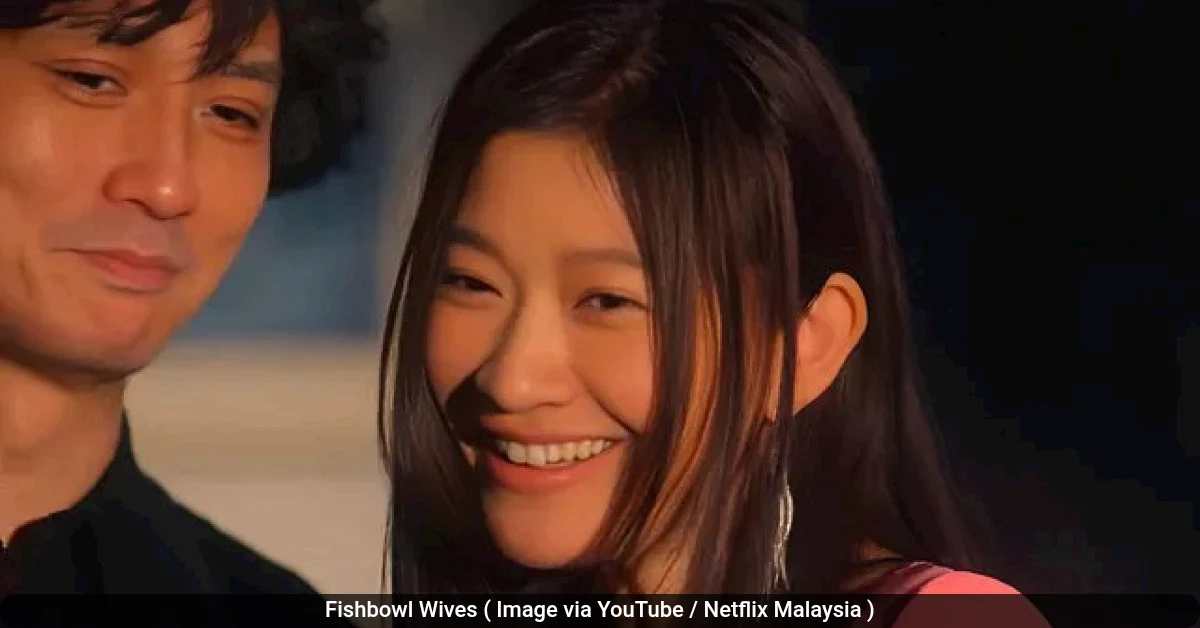
The final episode of Netflix’s Fishbowl Wives left many viewers with questions. The Japanese drama followed Sakura Hiraga as she escaped an abusive marriage and built a tender relationship with Haruto, a kind goldfish shop owner. Despite their deep connection, the series concludes with the two watching fireworks separately, choosing to part ways. This ending, focused on Sakura’s hard-won independence, is the show’s most important statement.
Breaking Free from an Abusive Marriage
Sakura’s story begins in a gilded cage. Publicly, she and her husband Takuya are a perfect, successful couple running a salon chain. Privately, her life is a nightmare. Takuya is physically abusive, controlling, and repeatedly unfaithful. An incident where he smashes a goldfish bowl she brought home symbolizes the violent destruction of her small attempts to find joy.
Her path to freedom starts with a goldfish. After a fortune teller’s suggestion, Sakura visits Haruto’s shop. Their connection is immediate. Haruto represents safety, respect, and a different kind of life. After a particularly violent episode, Sakura leaves Takuya and moves in with Haruto, creating a major scandal in their luxury apartment building. With Haruto’s support and help from a lawyer, Sakura finally secures her divorce. In court, Takuya admits to the abuse and infidelity, and does not contest the divorce.
The Choice for Independence
While Sakura wins her freedom, the ending is not a simple fairy tale. After the divorce, Takuya’s life falls apart; his business collapses and he loses everything. When Sakura learns of his downfall, she feels compelled to help him recover professionally, driven by a complex mix of pity and residual responsibility.
This decision creates the final rift with Haruto. He realizes that Sakura is still emotionally tied to Takuya’s situation and that her journey is not complete. Waiting for her, he understands, would only cause them both more pain. In a quiet, mature conversation, they decide to separate.
The season finale ends with both looking at the fireworks but from different places. Sakura goes back to the shore from where Haruko saw the fireworks as a child.
The show’s final images are powerful. Sakura and Haruto watch the same fireworks display, but from different locations, physically apart. Sakura is now a self-reliant businesswoman, having opened her own salon. She is no longer defined by any man—neither her abusive ex-husband nor her gentle lover. The message is that her most important relationship is now the one she has with herself.
How Other Storylines Resolved
Fishbowl Wives also wove in stories of other women in the apartment building, each grappling with their own unhappy marriages.
- Noriko (“The Lunchbox Wife”): Noriko’s husband pressured her into a sexual encounter with his co-worker, Tsuta, for his own gratification. This plan backfired completely. Noriko and Tsuta developed genuine feelings for each other. By the end, Noriko is bringing homemade lunches to Tsuta, while her husband is left alone.
- Yuka (“The Outsourcing Wife”): Desperate to have a child while her husband showed no interest, Yuka reconnected with an ex-boyfriend. The series ends with Yuka pregnant, though she is unsure who the father is.
- Hisako (“The Headache Wife”): Hisako suffered from severe headaches and memory loss. Her story took a dramatic twist when it was revealed that a stranger she met was actually her own husband, Taguchi. Her mind had suppressed her memory of him due to past trauma. Their storyline ended with a potential for reconciliation as Taguchi worked to re-enter their family’s life.
- Saya (“The Chaperone Wife”): Saya and her husband Sota were growing distant due to his work pressures. Unlike other couples, they managed to communicate and reconnect before their marriage was irreparably damaged, offering one of the more hopeful subplots.
Also Read:






Why This Ending Makes Sense for the Story
Many viewers who rooted for Sakura and Haruto’s romance found the ending surprising or disappointing. However, this conclusion is central to the show’s theme. The title Fishbowl Wives is a metaphor for women trapped in the small, confined spaces of their marriages, like goldfish in a bowl.
Sakura’s entire arc is about escaping that bowl. If she had immediately moved from her marriage with Takuya into a new life with Haruto, she would have simply switched one bowl for another, still defining her existence through a man. Her choice to stand alone and build her own business represents the ultimate act of freedom. She is no longer a “fishbowl wife” but a woman who owns her own life.
The ending is open to interpretation but leans toward realism over fairytale romance. It suggests that after profound trauma, the path to healing often requires solitude and self-discovery. Sakura and Haruto’s relationship was a safe harbor that allowed her to heal and grow strong enough to sail on her own.
Also Read: ClaireBell Season 1 Finale: Ending Explained and Key Story Points Recap