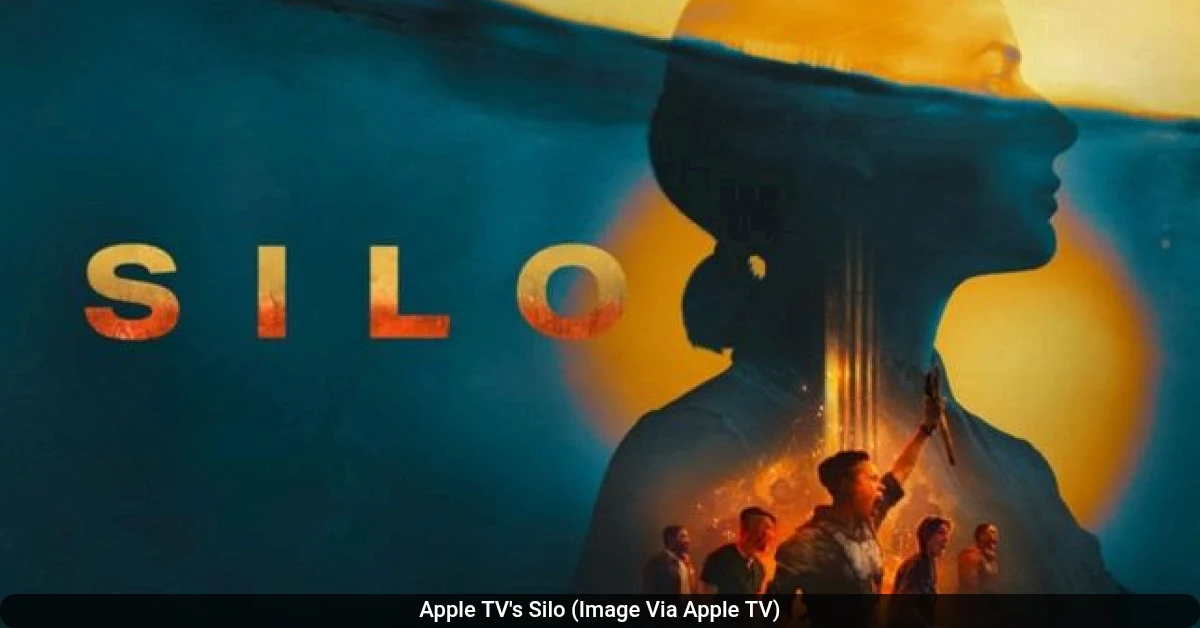
The world inside the Apple TV+ series Silo is full of mysteries, from the truth about the outside world to the strict rules the inhabitants must follow. Based on Hugh Howey’s popular book trilogy, the show has become a hit for its tense storytelling and strong performances by Rebecca Ferguson and Tim Robbins. But for viewers who have read the Wool, Shift, and Dust novels, one thing is very clear: the television series is not a copy of the books. The creative team behind Silo, led by showrunner Graham Yost, has made many changes to the source material.
Some of these changes are small, while others are huge twists that completely reshape the story for television. Here is a detailed look at the major differences between the Silo books and the Apple TV+ series, and why the creators decided to go in a new direction.
The Creator’s Philosophy: The Books Are a “Big Box of Ideas”
From the very beginning, Graham Yost made it clear that he does not intend to do a page-by-page adaptation of Howey’s work. In interviews, he has explained that he views the three novels not as a strict script to follow, but as a “big box of a story” that the writers can pull ideas from .
This approach gives the show the freedom to expand the world, create new characters, and build suspense in ways that work better for a visual medium like television. Yost has stated that loving the source material is key, but the goal is to serve the story for the screen, not just replicate the reading experience . Author Hugh Howey is heavily involved in the production and has supported these changes, even suggesting some of them himself .
The Biggest Structural Shift: Keeping Juliette Front and Center
The most significant change coming up for Silo involves the adaptation of the second book, Shift. This book is largely a prequel. It jumps back in time by roughly 300 years to explain the origins of the silos and how they were built by an organization called the World Order Operation Fifty (W.O.O.L.) .
In the novel Shift, the main character Juliette (Rebecca Ferguson) barely appears until the very end of the book. For a television show where Ferguson is the star and the emotional core of the series, this presents a major problem. Graham Yost addressed this directly, confirming that the series will not sideline its lead actress. While season 3 will indeed explore the backstory and the construction of the silos, Juliette will remain a central part of the narrative. Yost assured fans that she will be present for more than just the final scene of the season, indicating a major restructuring of the plot from Shift to keep the focus on the character viewers have grown to love .
New Characters and Expanded Roles
To add depth and drama, the show has introduced characters who do not exist in the books or have given minor characters much bigger roles.
- The Murder Mystery of George Wilkins: In the books, the death of Juliette’s boyfriend, George, is mentioned in a single sentence. It is a small detail that motivates her. In the show, this event became the central mystery of season 1. The writers built an entire investigation around his death, turning it into a conspiracy that leads Juliette down the path to becoming sheriff and eventually uncovering the silo’s secrets .
- Judge Meadows and Camille Sims: Characters like Judge Meadows and Camille Sims (played by Common’s wife in the show) are original creations for the series . They add new layers of political intrigue within the silo, creating more conflict and alliances that were not present in the original story.
- The Syndrome: The show introduced a mysterious illness called “The Syndrome,” which causes people to develop tremors. This adds a ticking clock for certain characters, like Paul Billings, raising the stakes and creating a sense of danger that is unique to the show .
Character Changes: Gender Swaps and Survival
The show has also altered specific characters to change the dynamics of relationships.
- Walker: In Howey’s books, Walker is an older man. In the Apple TV+ series, Walker is played by Harriet Walter and is portrayed as a motherly figure and a mechanical genius. This change makes her bond with Juliette feel more emotionally resonant and protective .
- Solo and the People of Silo 17: When Juliette arrives at the seemingly abandoned Silo 17 in season 2, she meets a man named Solo (Steve Zahn) . In the books, the way Juliette meets Solo is different. Furthermore, the showrunners have decided to keep some characters from Silo 17 alive. In the book, many of these characters are dead, but the show is altering their fates to create more storytelling opportunities for future seasons .
Plot Adjustments in Season 2
Season 2 of Silo, which covers the second half of the first book Wool, also features some key adjustments.
- A Nod to the Book’s Structure: The first book alternates chapters between what is happening in Silo 18 (the rebellion) and Silo 17 (Juliette’s survival). The writers initially had a “crazy idea” to replicate this by alternating entire episodes. They decided against doing it for the whole season, but they paid homage to the book by making the season premiere exclusively about Juliette in Silo 17, and the second episode exclusively about the turmoil back in Silo 18 .
- Bernard’s Plan: The show hints at Bernard (Tim Robbins) having plans to leave the silo or manipulate events in ways that are different from the books, setting up new conflicts and character arcs that are unique to the series .
- The Season 2 Finale: Graham Yost has teased that the ending of season 2 will be “something different” from the book, promising a “big surprise” for viewers who think they know what is coming .
Why the Changes Work
While some fans of the books might initially be concerned about these deviations, the changes are generally made with a clear purpose. They serve to humanize the characters, build mystery for a weekly viewing audience, and ensure that the star of the show remains the focal point.
By expanding small details (like a single line about a murder) into entire plotlines, the show gives Rebecca Ferguson more to do and makes the audience care more deeply about her mission. The introduction of new characters and political drama makes the world of the silo feel larger and more dangerous. And by keeping Juliette involved in the prequel story of Shift, the show avoids the risk of losing viewers who are invested in her journey.
Author Hugh Howey has seen the dailies and the final cuts and has given his blessing. According to Yost, Howey and his wife love the show, which is considered the “best review” the team could get .
Also Read:






What This Means for Silo Seasons 3 and 4
Apple TV+ has already committed to telling the complete story, renewing Silo for a third and fourth season, which will bring the series to a close . Season 3 is expected to draw from Shift, and season 4 from Dust. Given the show’s track record, viewers can expect the core themes and the ending to remain true to Howey’s vision, but the path getting there will likely be filled with new twists, expanded roles for favorite characters, and the kind of deep, character-driven storytelling that has made the show a success.
For now, audiences can watch all of season 1 and season 2 on Apple TV+ and see for themselves how the puzzle pieces are being rearranged.
Stay tuned to VvipTimes for more updates on your favorite sci-fi series and streaming entertainment.