

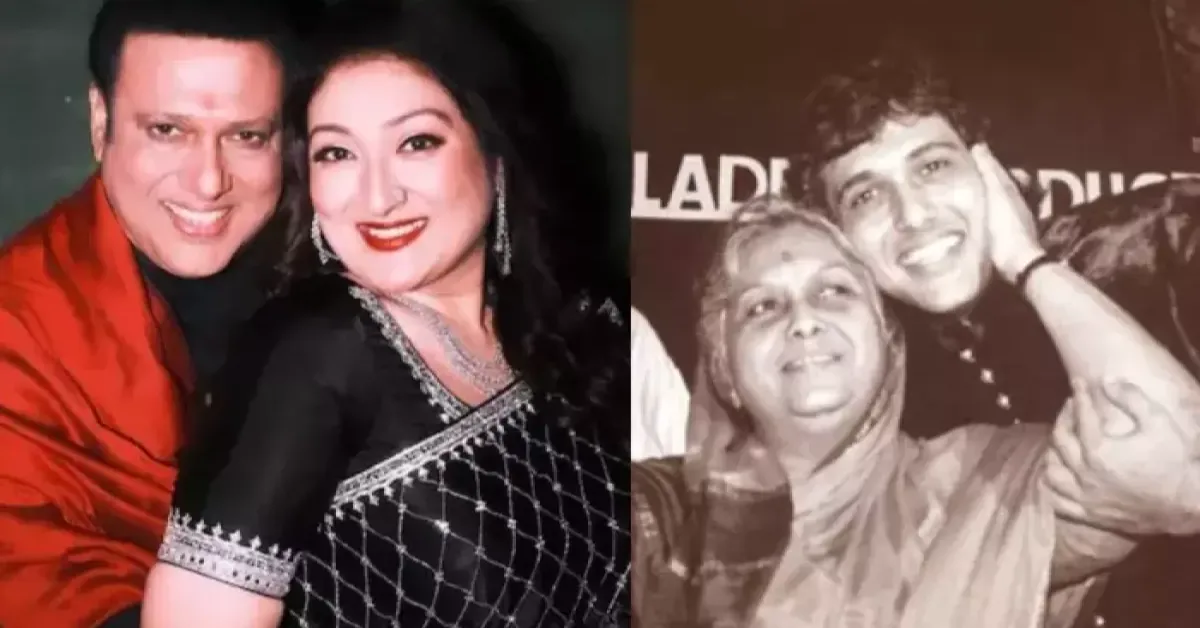

Govinda did not bring up his mother to settle a score. He brought her up to explain why he is not fighting one.
In an interview with ABP Live published this week, the actor recalled the moment his mother, former Hindi film heroine Nirmala Devi, quit the industry, shaved her head and eyebrows, and became a sadhvi while raising five children. The trigger, as Govinda tells it, was a warning from his father, former actor Arun Kumar Ahuja. “Nirmala, you’re so pretty that when you go out to ask for work, people would ogle at you”. Govinda’s conclusion is blunt: “So my poor mother got her shaved off and became a saint. She said, ‘Let my children grow up’”.
That is the story Govinda wants on record. It is also the frame he is using to answer the questions he is currently facing about his marriage.
What Nirmala Devi Actually Gave Up
Nirmala Devi was not a marginal figure in early Hindi cinema. She made her lead debut in V.C. Desai’s Savera in 1942, opposite Arun Kumar Ahuja, whom she married the same year. She went on to appear in Geet, Gaali, Chalis Karod, Anmol Ratan, and Jai Mahalakshmi in 1951, which marked her final screen appearance. She was also a trained Hindustani classical vocalist known for thumri.
The family’s finances collapsed after her husband’s home production Sehra (1948) failed at the box office. Govinda remembers the aftermath in concrete terms: “After becoming a heroine, my mother Nirmala Devi got poor to such an extent that all the stuff from our bungalow were taken away”. The family moved from a bungalow on Carter Road in Bandra to Virar.
Nirmala Devi did not simply retire. She changed her appearance so completely that she would no longer be looked at the way her husband feared. Govinda says she shaved her head and eyebrows and dressed as a saint. She did it, in his telling, so her children could grow up without the kind of attention she could not control.
The Part of the Story That Is Not About His Mother
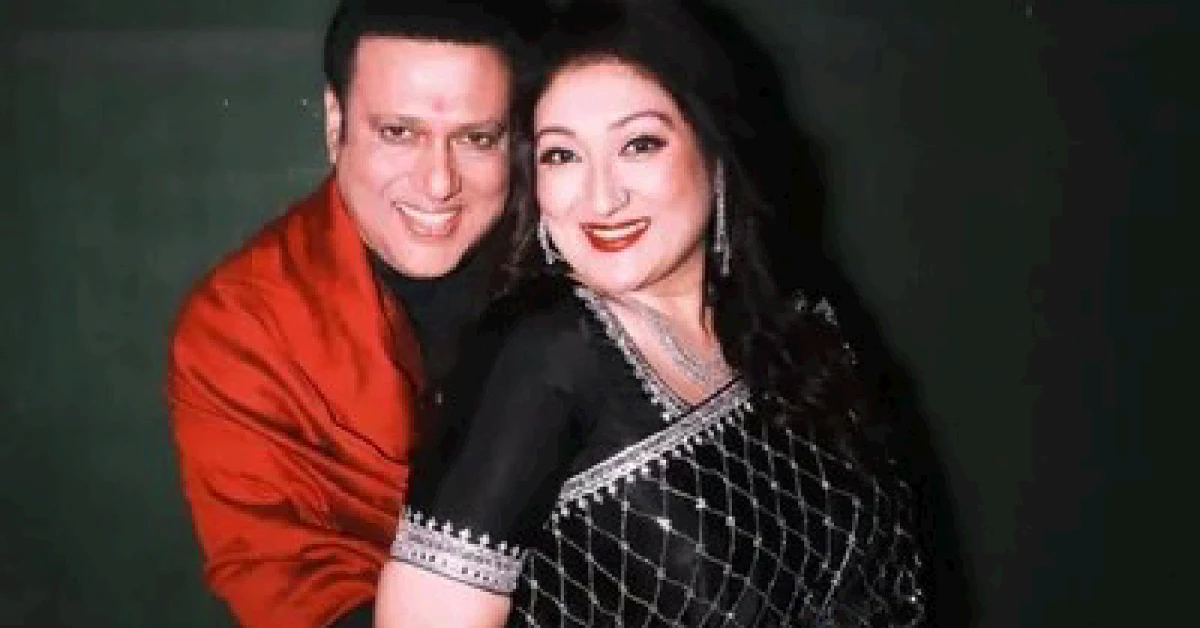
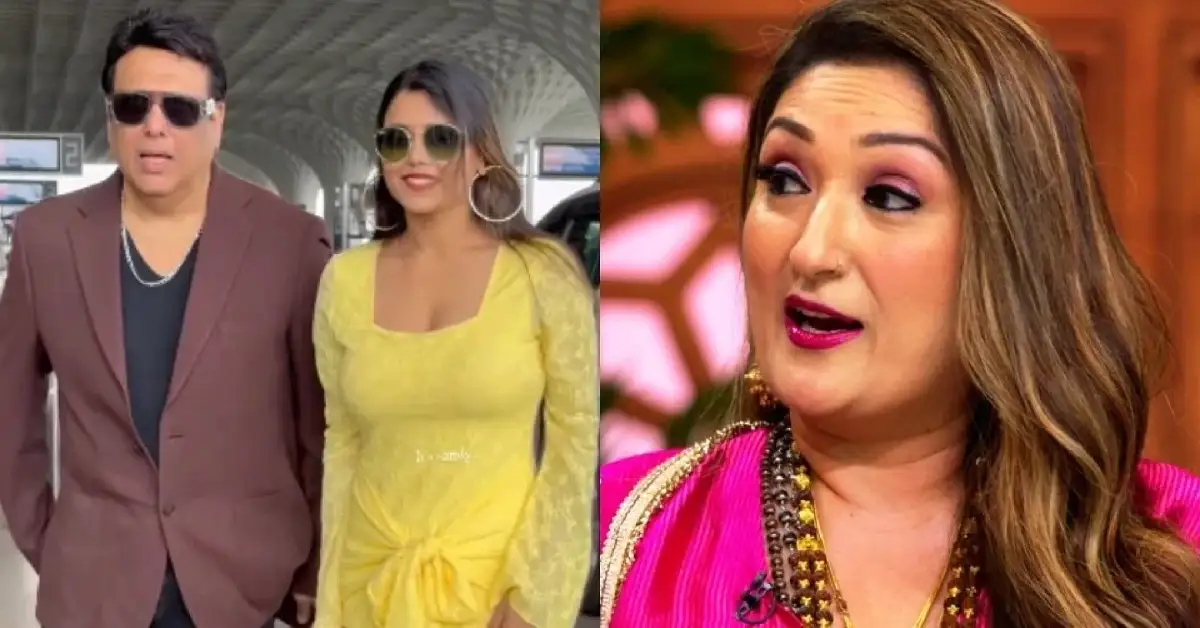
Govinda told the story while addressing his wife Sunita Ahuja’s public allegations that he cheated on her with a younger co-star, Komal Rani, from his upcoming production Roopa. His answer was not a denial or a detailed rebuttal. It was a reference to his mother. “Being the son of such a mother, I don’t care about who’s saying what about me. I’m not even looking in that direction”.
That is a choice worth noticing. Govinda is not asking the public to believe his version of events. He is telling the public that he has inherited a capacity for detachment from a woman who gave up her face, her hair, and her career to protect her family from exactly the kind of scrutiny he is now under. The comparison is not subtle. It is also not accidental.
The actor went further in the same interview, saying he does not judge people because he considers the circumstances that shape their reactions. It is a softer version of the same idea: he is placing himself outside the cycle of accusation and counter-accusation by claiming a kind of inherited renunciation.
Why the Story Lands Harder Than a Standard Celebrity Anecdote
Bollywood has a long tradition of actors invoking their mothers in interviews. What makes this one different is the specificity. Govinda is not saying his mother struggled. He is saying she was a working lead actor in the 1940s and 1950s who left the industry because her husband believed her beauty would expose her to men who wanted something from her. That is not a vague tribute. It is a description of a structural pressure that many women in early Hindi cinema faced, and it explains why Nirmala Devi’s response was to erase the very thing that made her visible.
It also explains Govinda’s own path. His mother did not want him to become an actor. She thought he was too innocent for the industry and hoped he would take a bank job. His father saw the potential and pushed him toward films. Govinda ended up in the one profession his mother had fled, and he has spent decades in it. The inheritance he talks about is not the acting. It is the detachment.
The Comeback Is Part of the Same Interview
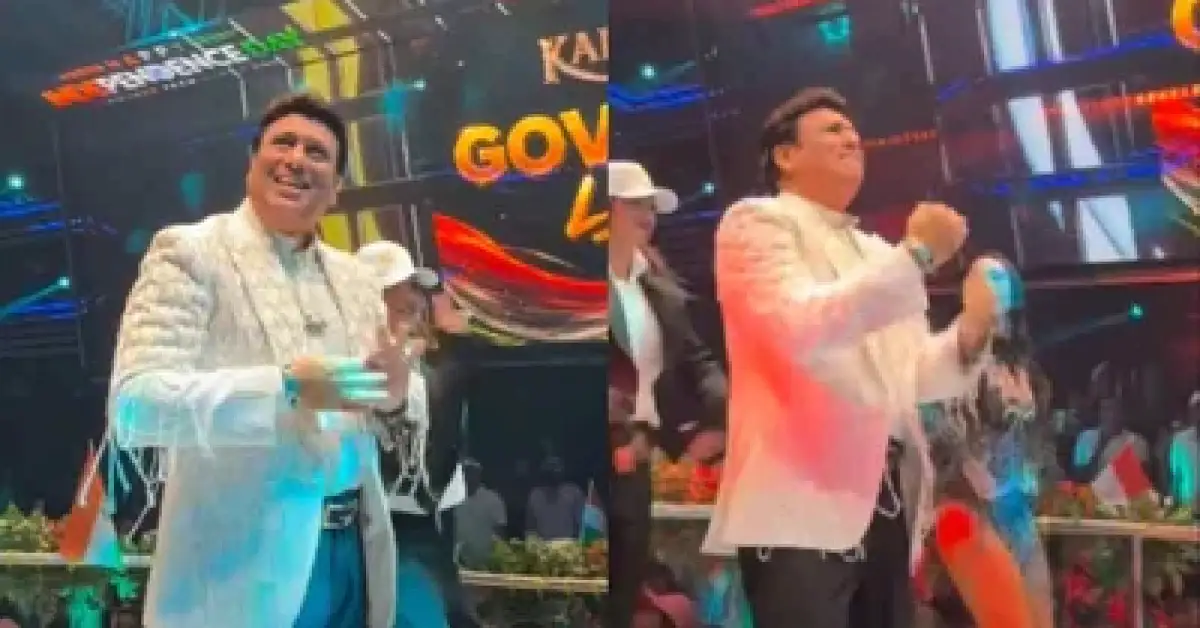
The ABP Live conversation was not only a family retrospective. Govinda is preparing to return to the big screen after nearly seven years with Roopa and Duniyadari, both announced in July 2026. Roopa is a suspense drama with comedic elements, aimed at younger audiences, and Govinda is producing it. The allegations involving Komal Rani are tied to that film, which is why the personal and professional questions arrived together.
Related Stories
View all articles about
That context matters because it shows what the mother story is doing in the interview. It is not a random memory. It is the answer Govinda is giving to a question about his present. Whether audiences accept that answer is a separate matter. But the logic of the answer is clear: if his mother could walk away from stardom and shave her head to protect her children, he can absorb a news cycle without flinching.
Nirmala Devi died on June 15, 1996, at 69. Govinda has spoken before about how hard her death hit him, including a period in which he walked into the Narmada River in grief. The mother he describes in this interview is not a distant memory. She is the standard against which he is asking to be measured.
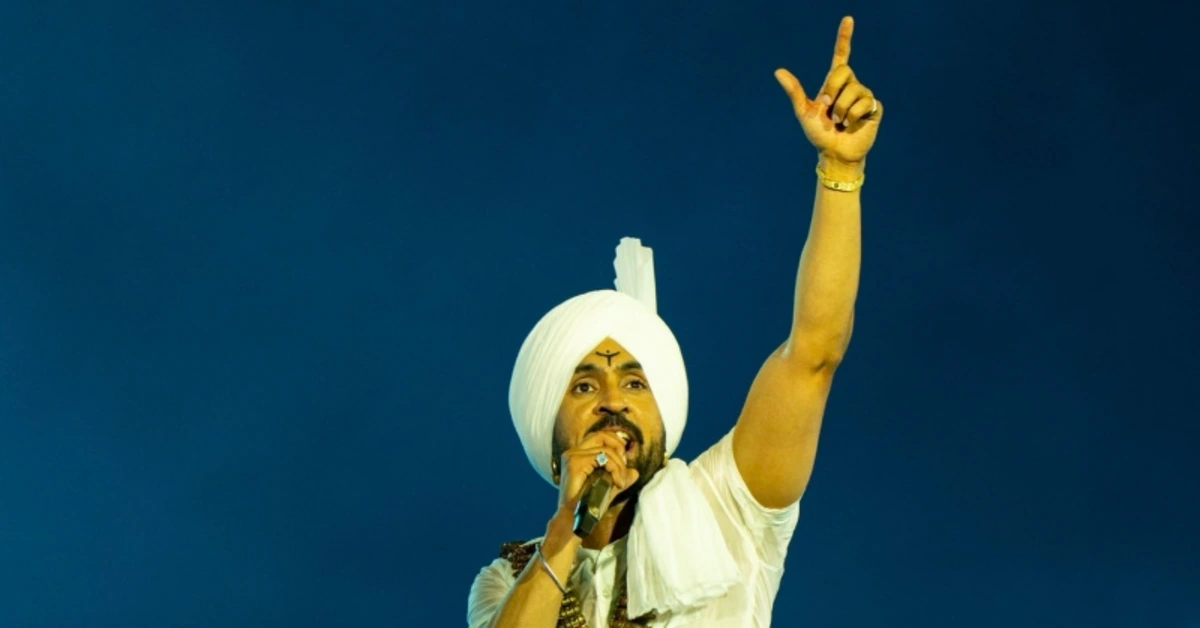
Also Read: Singer Diljit Dosanjh Calls Govinda Legendary Artiste, Says No One Like Him in Bollywood
For VVIPTimes, the real headline is not the shaved head. It is the fact that Govinda has turned his mother’s sacrifice into a public defense strategy — and that the defense is more revealing than the allegation it answers.















Leave a Reply