
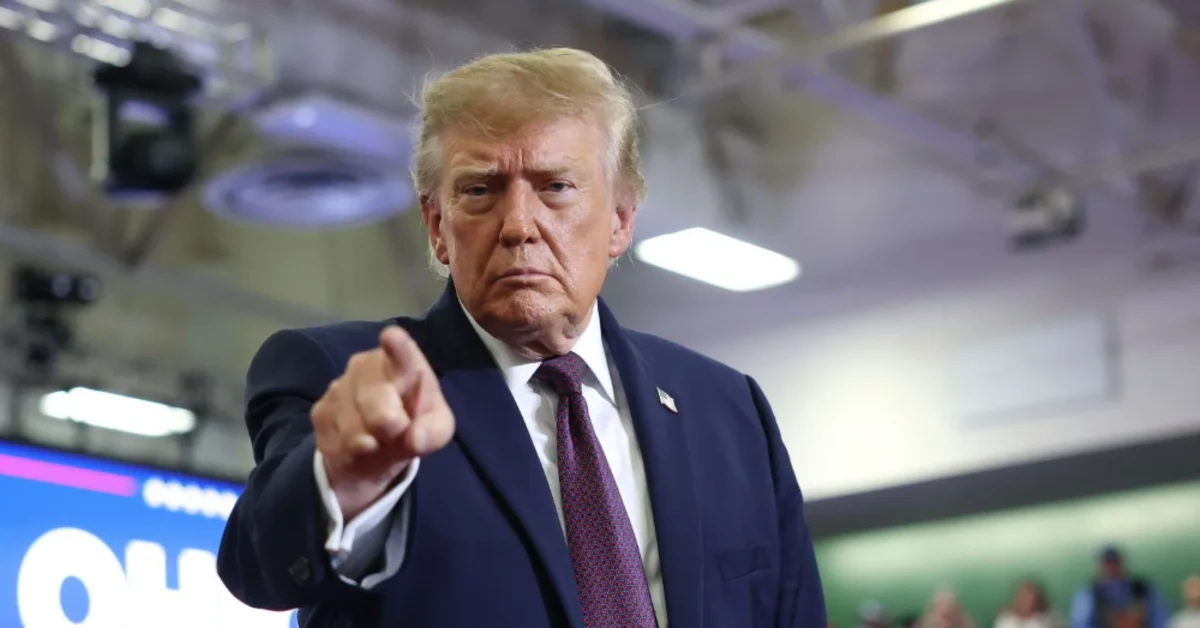

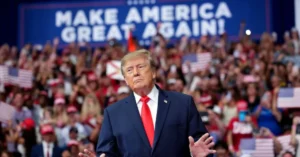
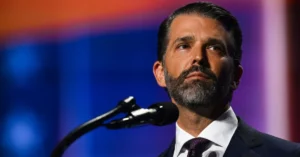
Public appearances by world leaders command intense scrutiny, particularly when physical stamina and alertness become subjects of widespread public discussion. Recent video footage from high-profile campaign speeches and formal gatherings has thrust the daily physical toll of modern political life back into the spotlight. Observers watching Donald Trump at podiums across the country have pointed to moments where the veteran politician appears drowsy, struggling to keep his eyes open, and fighting fatigue under bright stage lights. These visible lapses in alertness have triggered a fresh wave of commentary from behavioral specialists, political analysts, and everyday voters questioning the sheer physical demands placed on leaders operating at the highest levels of government.
Media outlets and online platforms have frequently replayed clips showing Donald Trump closing his eyes for extended periods or slumping slightly during lengthy addresses. While supporters argue that these brief moments are taken out of context or simply reflect natural blinking and momentary resting during multi-hour events, critics and health professionals view them as potential indicators of cumulative exhaustion. The ongoing debate highlights how physical endurance remains a central topic of interest for voters evaluating leaders seeking high office.
The Physical Realities of Rigorous Campaign Schedules
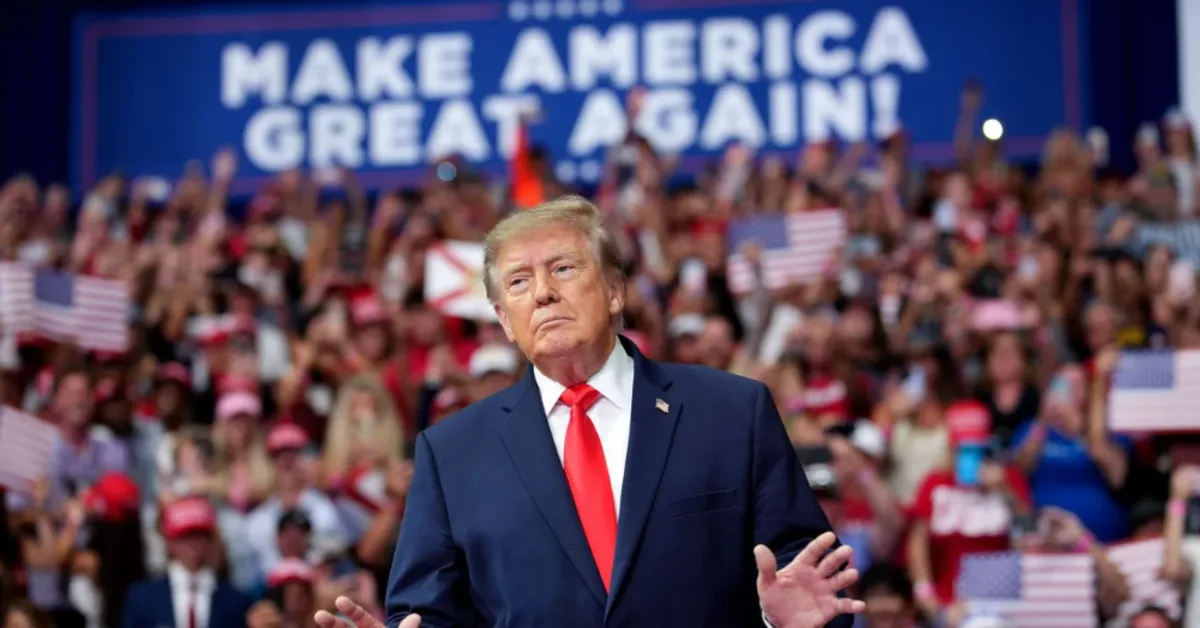
Modern political campaigns demand grueling physical endurance, requiring candidates to maintain punishing travel schedules across multiple time zones. Donald Trump, known for holding massive rallies that often stretch past midnight, subjects his body to intense physiological stress. Medical professionals note that erratic sleep patterns combined with constant public exposure create an environment where maintaining sharp focus becomes extraordinarily difficult.
Campaign veterans and close aides have frequently spoken about the relentless pace maintained by Donald Trump. Vice President J.D. Vance and other key administration figures have publicly defended the grueling hours, emphasizing that leadership roles demand round-the-clock engagement.
J.D. Vance noted during a public briefing, pointing to late-night communications: “He works around the clock, making phone calls past midnight and waking up early to review policy briefings.”
Despite these defenses, critics argue that biological limits apply universally, regardless of political willpower or high motivation. Sleep deprivation accumulates over weeks of continuous campaigning, leading to micro-sleeps or sudden drops in alertness during quiet moments on stage when the speaker is not actively engaging the crowd.
Behavioral Insights From Speech Analysts and Psychologists
Behavioral psychologists examining public speaking habits point out that maintaining high energy levels during repetitive, hours-long speeches requires immense cognitive and physical stamina. When an individual stands under hot stage lights for extended periods, the body naturally experiences drops in blood pressure and alertness, especially if adequate rest has been neglected.
Specialists analyzing video footage of Donald Trump have observed specific physical markers associated with fatigue. These include drooping eyelids, slowed reactions, and a tendency to lean heavily on the podium for physical support. According to clinical observations, these behaviors mirror how the human brain attempts to recover micro-rests of sleep when sleep debt reaches critical levels.
Furthermore, the repetitive nature of campaign rhetoric can contribute to cognitive fatigue. Delivering similar talking points day after day across multiple states can lead to mental exhaustion, making it harder for any speaker to maintain peak engagement from the first minute to the last. While supporters see unwavering dedication in these marathon events, independent medical observers suggest that age-related physiological changes naturally alter how the body processes exhaustion and recovers from long hours.
Public Reactions and the Partisan Divide
Reactions to these visible moments of fatigue remain deeply polarized along partisan lines. Opponents frequently utilize social media platforms to circulate video clips, using critical monikers to question whether Donald Trump possesses the physical resilience required for the presidency. Lawmakers and political commentators opposing his platform regularly point to these instances as evidence of declining physical fitness for office.
Conversely, loyal supporters dismiss the criticism as partisan exaggeration designed to undermine an energetic leader. Millions of voters point out that Donald Trump routinely stands before massive crowds for over two hours, delivering unscripted remarks without a teleprompter—a feat that politicians half his age rarely attempt. Supporters argue that focusing on a single split-second frozen frame or a brief moment of resting eyes ignores the immense stamina required to campaign at such a relentless velocity.
This sharp divide underscores a broader reality of modern political discourse, where every physical gesture, stumble, or sigh is magnified, analyzed, and weaponized by opposing political camps.
White House and Ally Responses to Stamina Concerns
Defenders and official representatives have consistently pushed back against narratives suggesting health vulnerabilities or cognitive decline. Medical reports released by presidential physicians have repeatedly described Donald Trump as possessing robust health for his age, noting positive cardiovascular metrics and successful completion of routine physical examinations.
Advisors emphasize that occasional moments of physical relaxation should not be misconstrued as medical incapacity. They point to his frequent media interactions, spontaneous press conferences, and active engagement with global leaders as proof of uninterrupted mental acuity and operational readiness.
You May Also Like


View all articles about
Public relations teams maintain that the intense media focus on minor physical moments reflects a double standard, noting that political figures across the ideological spectrum experience fatigue during demanding work weeks. As public interest in leadership wellness remains high, these debates continue to shape how voters perceive the physical demands of high-stakes governance.
Read more comprehensive political and entertainment analyses on VvipTimes.
Disclaimer: The information provided in this article is for informational and educational purposes only. Political news, analyses, and commentaries are subject to rapid change as events unfold. While every effort is made to ensure the accuracy and completeness of the information at the time of publication, the author and publisher make no representations or warranties of any kind, express or implied, about the completeness, accuracy, reliability, or suitability of the information contained herein.
Any opinions expressed in this piece are those of the author(s) and do not necessarily reflect the official policy or position of any other agency, organization, employer, or company. Readers are encouraged to verify facts and consult multiple diverse sources before drawing conclusions or making decisions based on this content.






















Leave a Reply