
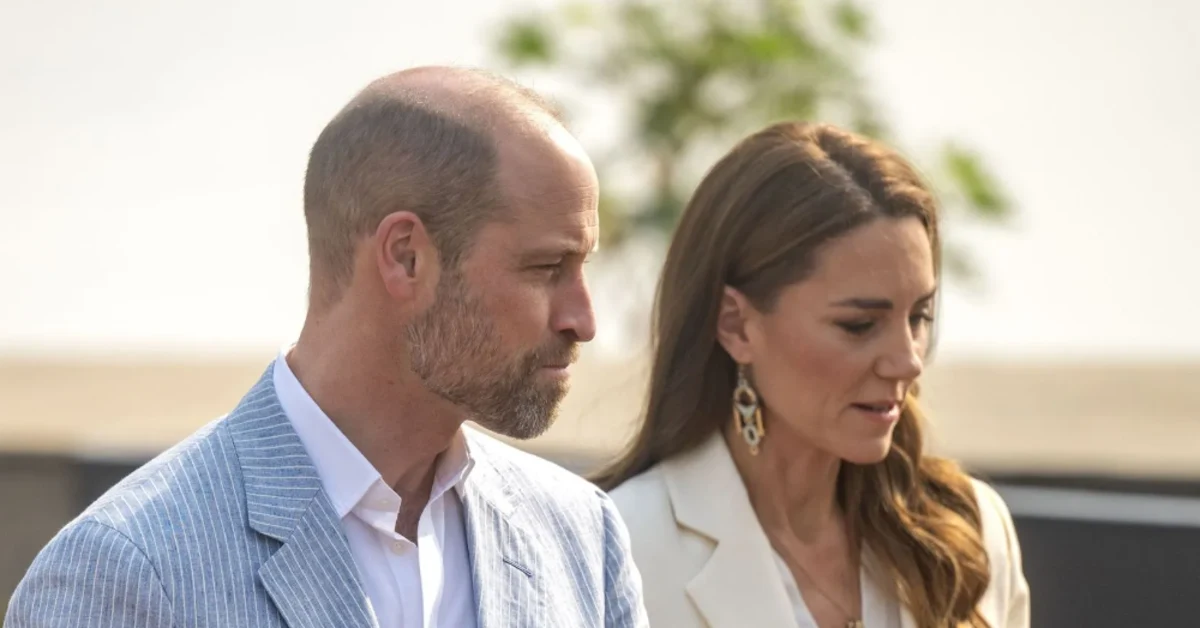

Two men are in police custody after reportedly forcing their way into Anmer Hall, the ten-bedroom Norfolk home of Prince William and Kate Middleton, on the night of Nov. 23, 2026. The Prince and Princess of Wales were not there. Their three children were not there. But the fact that intruders reached a future King’s country residence at all has triggered a harder question than the burglary itself: how secure are the royal family’s so-called “quiet” homes?
The Break-In: What Police Have Confirmed
Norfolk Police received a call just before 6 p.m. GMT on Monday, Nov. 23, reporting “suspicious activity” at a property on the Sandringham Estate. Officers arrived and deployed police dogs, drones, and a National Police Air Service helicopter to search the grounds. Two men were arrested on the estate on suspicion of burglary and trespass and remained in custody as of Tuesday, Nov. 24.
A police statement confirmed the house was unoccupied at the time. Kensington Palace said it would not comment on security matters, sticking to a long-standing royal policy of not discussing protection arrangements.
The Sun first reported that masked men had made their way into the property. The BBC and the Associated Press later confirmed the core details through police statements, though neither outlet independently verified the “masked” description.
Where William, Kate, and the Children Were
The Wales family was at Forest Lodge in Windsor Great Park, roughly 170 kilometres west of Anmer Hall, when the break-in happened. The family moved to Forest Lodge in November 2025 after leaving Adelaide Cottage, and they now spend most of their time there. Anmer Hall has become a weekend and holiday retreat rather than a full-time home.
The timing added an uncomfortable layer to the story. Prince William was in London on Tuesday, Nov. 24, meeting Prime Minister Andy Burnham at 10 Downing Street to discuss homelessness — a scheduled engagement that went ahead while police were still holding two suspects in Norfolk.
A Security Expert’s Blunt Assessment
Dai Davies, who led Scotland Yard’s Royal Protection Command from 1994 to 1998, told the Mirror that the incident demands a full review. His questions were direct.
“The big thing for me is who are they [the suspects], what was their motive and how were they arrested, and was the response adequate, given the nature of the incident”.
Davies also pointed to the property’s significance in the line of succession.
“[Anmer Hall] belongs to the number two in the line of succession, and I would hope that the level of security and the response is up to a very high level”.
His remarks carry weight because they come from someone who once managed the exact kind of protection now under scrutiny. The 24-hour armed protection around working royals is taxpayer-funded, and Davies said Home Secretary Shabana Mahmood should consider a broader review of royal security arrangements.
Anmer Hall Is Not Just a House
The red-brick Georgian mansion was built in 1802 and given to William and Kate as a wedding gift by the late Queen Elizabeth II in 2011. It holds personal weight for the family beyond its royal function. Kate used Anmer Hall as the setting for a video message in September 2024 announcing she had completed chemotherapy. The house has been a refuge, not just a residence.
Local resident Val Blackmur, 83, who lives on the road leading to the property, told the BBC that the idea of anyone trying to break in felt wrong.
“We’ve lived here 50 years now… we’ve never heard nothing like that”.
She added that the secluded nature of Anmer Hall makes the breach feel more serious, not less.
“Up at Anmer Hall it’s so secluded and out of the way, not in full view – I should think people would be shocked”.
The Pattern Nobody in the Palace Wants to Talk About
This is not an isolated lapse. Royal properties have been breached repeatedly, and the list is longer than most casual observers realise.
- October 2024: Burglars broke into a farm building on the Windsor Castle estate and stole a pickup truck and a quad bike while William, Kate, and their children were nearby at Adelaide Cottage.
- 2021: A man armed with a crossbow was detained on Windsor Castle grounds. Jaswant Singh Chail was later sentenced to nine years in prison.
- Earlier in 2026: A masked man allegedly threatened Andrew Mountbatten-Windsor while he walked his dogs on the Sandringham Estate. A 39-year-old man was charged, and the case is ongoing.
- 1982: Michael Fagan entered Buckingham Palace and reached the Queen’s bedroom. She spent about ten minutes talking to him before raising the alarm.
Each incident is different in motive and method. Taken together, they show that physical barriers and armed officers have not stopped determined intruders from reaching the edges — and sometimes the interiors — of royal life.
Social Media Splits Between Concern and Criticism
Reaction on X (formerly Twitter) reflected the familiar divide in how the public views royal security. GB News shared a segment with Dai Davies discussing the breach, and replies ranged from genuine alarm to resentment about the resources devoted to royal protection.
One user compared the police response to an ordinary burglary.
“When my home was burgled … all I got was a crime number…..yet these so called royal parasites get the gold star treatment”.
The comment is crude, but it captures a sentiment that surfaces whenever royal security spending makes headlines: the perception that a small number of people receive a level of protection unavailable to everyone else.
The Questions That Matter More Than the Arrests
Police have not said whether anything was taken from Anmer Hall, whether the suspects were known to authorities before Nov. 23, or whether the breach involved forced entry or an unlocked point of access. Those details will shape how serious the security failure actually was.
What is already clear is that the response involved helicopters, drones, and police dogs — a level of resource that suggests the incident was treated as a priority from the first call. The two men were arrested on the estate, not after a chase across the countryside, which may indicate they were still close to the property when officers arrived.
You May Also Like




King Charles III was photographed driving past Anmer Hall on Tuesday, Nov. 24, hours after the arrests became public. The image is ordinary — a monarch in a car on his own land — but it lands differently against the backdrop of a break-in at his son’s home.
The Royal and VIP Executive Committee (RAVEC), the body that sets security levels for royals and public figures, has not made any public statement about whether Anmer Hall’s arrangements will change. Kensington Palace’s silence is standard, but it leaves the public with only the police facts and the expert warnings — and a clear sense that a quiet country house just became part of a much louder conversation about how safe royal homes really are.
Also Read: Prince Harry Backs Robert Pattinson’s 007: Inside the Royal Family’s James Bond Handover
For more updates on the royal family and the stories behind the headlines, keep reading VvipTimes.