


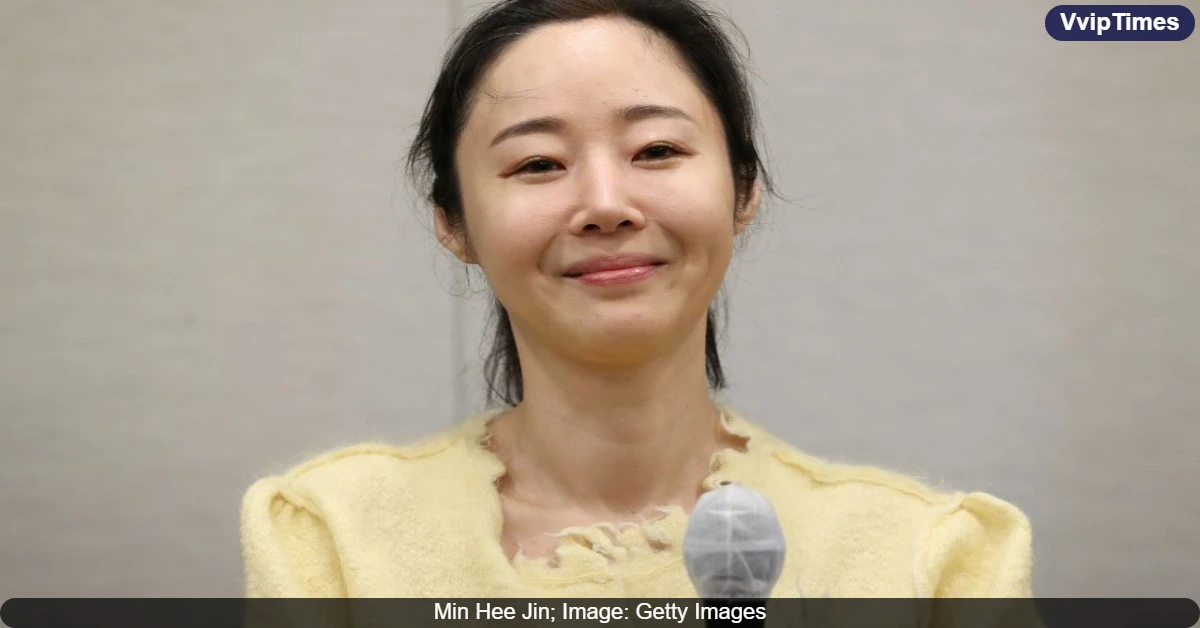
The New York Times published the exclusive contracts of NewJeans on November 5, 2026, showing that all five members signed them in 2022 when they were between 14 and 17 years old. The contracts removed standard protections for young performers, restricted their personal lives and gave the label long-term rights over their voices and faces. HYBE and ADOR defended the deals a day later, while former ADOR CEO Min Hee-jin rejected claims that she was responsible for the terms. The public fight now involves lawyers, court rulings and a separate damages case against former member Danielle.
What the New York Times Report Says
The contracts were obtained by The New York Times and reviewed by five entertainment law experts. Names and home addresses were redacted before publication. The report describes the agreements as unusually strict for a group of NewJeans’ size and age.
Jong-eon Roh, a Seoul-based entertainment lawyer who reviewed the deal for the Times, gave a direct assessment of the terms:
“This contract is unusually aggressive. It restricts the artists’ freedom to a degree rarely seen, even in recent major-label contracts.”
The contracts run until July 31, 2029. They cover music sales, personal conduct, training costs and the use of the members’ identities. The report states that the agreements were signed after about three months of discussions, but emails show that at least one parent was told the contract could be reconsidered if changes were requested.
The Missing Protections for Minors
South Korea’s government has a standard contract template for pop culture artists. The template guarantees young performers the right to education, physical and mental health, sleep and rest. It also bars labels from demanding excessive physical exposure or sexually suggestive expressions from minors.
The NewJeans contracts omitted that language. The report states that clauses on health, schooling, rest periods and limits on working hours for minors were not included. Training schedules often ran until 2 a.m., according to sources cited by the Times. Four of the five members dropped out of school during their training period.
HYBE responded that the government template is a nonbinding guideline, not a legal requirement. The company said its labels use a separate youth supplementary agreement that covers personal rights, sleep, education and rest until the artist turns adult.
Rules That Controlled Their Personal Lives
The contracts banned behavior described as an “insincere attitude” and “inappropriate romantic relationships.” They also stopped members from making public statements that could damage the label’s reputation, whether those statements were true or false.
These clauses gave the company wide room to decide what counted as a violation. The report notes that such conduct rules are common in K-pop contracts, but legal experts said the combination of vague language and long contract length made the NewJeans deal stand out.
AI Voices and Rights After 2029
The contracts allowed ADOR to keep using and licensing the members’ names, images, photos, handwriting and voices after the deal ends. The Times report states that this includes AI-generated voice clones and chatbots. Members would be paid when their likeness is used, but they would have no control over where or how it appears.
Under the government template, a label’s rights to an artist’s name, image and voice end when the contract expires. The NewJeans contracts did not include that limit.
The report also states that ADOR can continue selling and repackaging NewJeans music after 2029 while reducing payments to the members. Early termination penalties are calculated using average monthly sales from months when the group actually generated revenue, a method that can push the penalty higher.
Who Negotiated the Contracts?
The blame fight started within hours of the report. HYBE said Min Hee-jin, then CEO of ADOR, led the negotiations and signed the final agreements. The company said it gave the Times evidence that Min, a deputy CEO she appointed, the members and their parents, and lawyers for some members were part of the process.
Min’s side rejected that account. A source close to Min said ADOR had no independent legal team at the time, so HYBE’s legal team drafted and revised the contracts. The source said the parent company had final approval authority and that Min could not finalize key clauses without HYBE’s legal team, CFO and CEO.
“ADOR did not have an independent legal team, so HYBE’s legal team led the drafting and revision of contracts. It was a structure where the parent company had final approval authority.”
The source also said Min asked for contract-signing authority in 2024 and HYBE rejected the request.
HYBE and ADOR Push Back
HYBE and ADOR issued a joint response on November 6, 2026, rejecting the main points of the Times report across seven areas. The company said the contracts were legal, negotiated in good faith and consistent with South Korean standards.
HYBE said a draft was shared on January 7, 2022, and that negotiations continued for nearly three months through emails, proposed revisions and legal reviews before signing in April 2022. The company cited a Seoul High Court ruling that recognized the contracts took effect after sufficient discussion between the parties.
On penalties, HYBE accepted that the wording differs from the government template but said the calculation produces the same financial result. The company said penalties were based only on periods when the group generated revenue and excluded the pre-debut period.
On AI and likeness rights, HYBE said individual consent is required before any use of a member’s voice or face in AI content. The company said it has no plan to use those rights without permission. It also said security cameras were installed only in common areas for safety, and that education decisions were left to the artists and their families.
On plastic surgery, the Times report said the contracts required members to repay a significant portion of costs for procedures, skin care and body correction during training. HYBE denied forcing or pressuring anyone to undergo procedures. The company said it covered training expenses so members could receive earnings after debut without debt.
Min Hee-jin Fires Back
Min’s representatives said HYBE’s explanation skipped the real structure of how the contracts were made. They argued that ADOR’s management at the time rejected some proposed changes, but the key clauses were prepared and approved inside HYBE.
“HYBE has not sufficiently explained the actual structure of contract drafting and approval while emphasizing only that ADOR’s management signed the contracts.”
The back-and-forth has pulled attention back to the long fight between Min and HYBE that started in 2024. Min was removed from her ADOR CEO post amid tensions with the parent company. NewJeans members demanded her reinstatement and later tried to leave ADOR.
How the Dispute Reached This Point
NewJeans held an emergency press conference in November 2024 and announced they were ending their exclusive contracts. Member Hanni told South Korea’s parliament in October 2024 that she had experienced workplace harassment and wanted young artists to be treated better.
The group later performed under the name NJZ at ComplexCon Hong Kong in March 2025, despite a court injunction. A Seoul court then ordered them to stop independent activities, and the group suspended music work.
In October 2025, a Seoul court ruled that the contracts with ADOR were valid. The members dropped their appeal on November 14, 2025, making the ruling final. Haerin and Hyein returned to ADOR in November 2025, and Hanni returned in December. Minji said through her lawyers that she intended to return, but ADOR has said discussions with her are still ongoing.
Where the Members Stand Now
Haerin and Hyein have resumed fashion and promotional work, including magazine shoots and a Dior Beauty event in Seoul. Hanni and Minji have not made comparable public appearances. ADOR released “2026 Summer of NewJeans” content in July 2026 featuring Minji, Hanni, Haerin and Hyein, but no album or comeback date has been announced.
Related Stories










Danielle’s Lawsuit and the Cost of Leaving
ADOR terminated Danielle’s contract in December 2025 and sued her, a family member and Min Hee-jin. The agency initially sought 43.1 billion won, about $30 million, for delays to the group’s activities and breach of contract. ADOR reduced the claim to 33.1 billion won, about $21.5 million, in June 2026 after changing legal representatives.
Danielle’s side and Min’s side have denied the claims in court. The lawsuit remains active, and ADOR has said future NewJeans plans will be shared once discussions with the members are complete.
Also Read: Fans React as Designer Hints at Canceled NewJeans x Calvin Klein Collab Amidst Legal Feud
Stay with VvipTimes for clear, fact-checked coverage of the K-pop stories that matter.






























Leave a Reply